Scarlet Symbolism in the Bible: Meaning & Significance
The vibrant hue of scarlet appears frequently throughout the pages of Scripture, often drawing the reader’s eye to moments of deep spiritual transition or intense human experience. Because color carries significant weight in ancient cultures, understanding the nuances of scarlet symbolism in the Bible helps clarify the intent behind various narratives and prophetic visions.
Whether appearing as a mark of luxury, a sign of sin, or a pointer toward sacrificial atonement, this distinct color invites us to look closer at the text. By examining the biblical context of these passages, we can gain a clearer perspective on how ancient writers used this shade to convey messages about holiness, judgment, and redemption.
What Does Scarlet Symbolism in the Bible Mean?
In the biblical narrative, scarlet is not a one-dimensional symbol. Its meaning is strictly tied to its usage, which ranges from high status and royalty to the stain of transgression.
Often derived from the kermes insect, the dye was expensive and permanent, making it a fitting metaphor for things that are deeply ingrained or highly valued. While it is sometimes associated with power, it is also frequently linked to the concept of blood, serving as a reminder of either life-giving sacrifice or the weight of human error.
Scarlet Symbolism in the Bible in the Old Testament
The Old Testament introduces this color in both the intricate instructions for the tabernacle and in the dramatic stories of individuals.
The Tabernacle Curtains
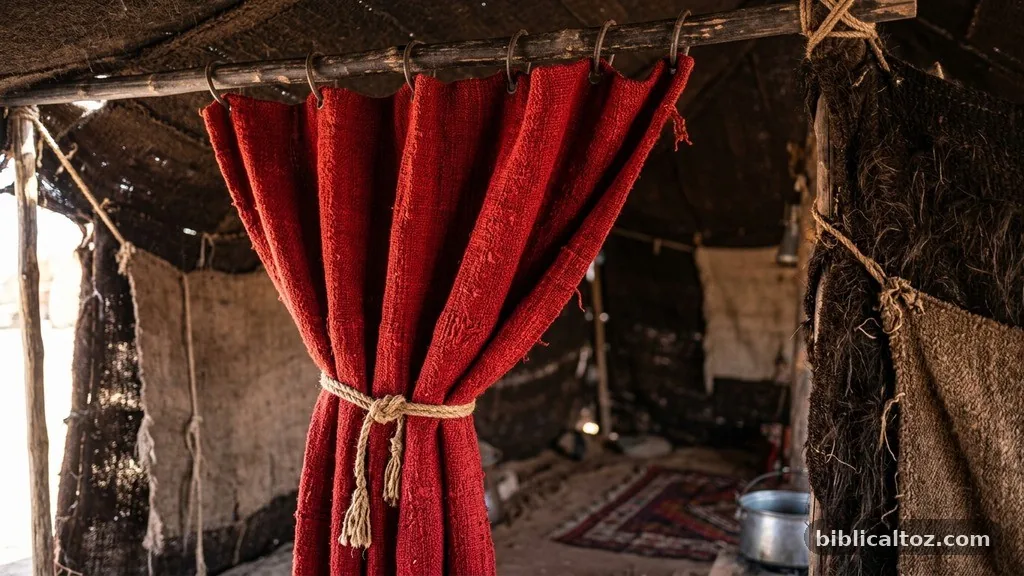
The curtains of the tabernacle were crafted with blue, purple, and scarlet yarn. In this context, the color represents the glory and presence of God. It was a sign of the majesty required for a place of worship.
The Scarlet Thread of Rahab
In Joshua 2, Rahab the harlot uses a scarlet thread to mark her home. This cord served as a sign of safety for her and her family during the conquest of Jericho. The color here signifies protection and the inclusion of those who place their faith in the God of Israel.
The Stain of Sin
In Isaiah 1:18, the prophet uses the color to describe the depth of human sin: “Though your sins be as scarlet, they shall be as white as snow.” Here, scarlet represents the permanent, visible nature of wrongdoing that only divine intervention can cleanse.
Scarlet Symbolism in the Bible in the New Testament
The New Testament usage of this color is more focused, often pointing toward the mockery of Christ or the imagery of judgment. During the crucifixion, soldiers placed a scarlet robe on Jesus to mock His kingship. This act was meant to degrade Him, yet it ironically highlighted the very royalty they intended to ridicule.
In the book of Revelation, the color appears again, this time associated with the “scarlet beast” and the woman representing corrupt systems. There is no attempt in Scripture to make this a positive symbol across the board; it remains a tool for describing the reality of human power versus divine authority.
Major Biblical Meanings of Scarlet Symbolism in the Bible
Sacrifice and Atonement
The association with blood is perhaps the most significant theme. Just as the color is permanent, so too is the need for an atonement that goes deeper than the surface.
Human Transgression
Because of its ability to stain, the color is used to describe the visibility of sin. It is a reminder that what we do is seen by God, even when we try to hide it.
Royalty and Authority
As a costly dye, scarlet was a mark of the wealthy and the powerful. It signaled status in a world where such resources were limited to the elite.
Important Bible Passages About Scarlet Symbolism in the Bible
| Reference | Context | Primary Meaning |
|---|---|---|
| Isaiah 1:18 | God inviting Israel to reason regarding their sin. | The permanence of human guilt. |
| Joshua 2:18 | Rahab’s instruction to hang a cord in her window. | A sign of covenant and protection. |
| Matthew 27:28 | Soldiers dressing Jesus in a robe before the cross. | Mockery of royal authority. |
How Scarlet Symbolism in the Bible Is Used Symbolically in Scripture
The Bible uses this color to create a visual shorthand for the reader. When you see it in the tabernacle, you think of the holiness of God. When you see it in the story of Rahab, you think of salvation.
When you see it in the prophets, you think of the stark reality of sin. These symbols are not random; they are carefully placed to anchor the reader’s understanding of God’s character and our standing before Him.
Does Scarlet Symbolism in the Bible Always Have the Same Meaning?
No, the meaning of this color shifts based on the speaker and the event. A robe of this color might signify a king’s authority in one chapter and a soldier’s cruel joke in another.
We must avoid assigning a single, rigid definition to the color. Instead, we should look at the surrounding verses to determine if the author is using the color to highlight majesty, guilt, or something else entirely.
Scarlet Symbolism in the Bible and Christian Faith Today
For modern believers, the most relevant takeaway is the promise found in Isaiah. We often feel that our mistakes leave a permanent mark on our lives. However, the message of the Gospel is that the sacrifice of Jesus changes that reality.
We do not have to live under the weight of our past. The color that once represented a stain becomes a reminder of the power of grace to make us clean.
Common Misunderstandings About Scarlet Symbolism in the Bible
A common error is to treat the color as a mystical code. Some suggest that every mention of the color points directly to the blood of Christ, regardless of the context.
While the connection to sacrifice is strong in some passages, reading it into every mention of the color can distract from the actual message the author intended to convey. Stick to the text and let the context lead the way.
- Scarlet is not always a symbol of sin.
- It does not always point to the crucifixion.
- The meaning is defined by the biblical author’s intent.
- Context is the most important factor in interpretation.
Related Bible Verses
- Exodus 25:4 – Describes the materials for the sanctuary.
- Leviticus 14:4 – Mentions the color in the cleansing of a leper.
- Proverbs 31:21 – Describes the clothing of a virtuous woman’s household.
- Revelation 17:4 – Describes the attire of the woman sitting on the beast.
FAQs
What does scarlet symbolize in the Bible?
It symbolizes a range of things including royalty, wealth, the stain of sin, and in some contexts, the blood used in sacrificial rites.
Was Jesus’ robe purple or scarlet?
The Gospel accounts vary slightly in their description, with some calling it purple and others scarlet, reflecting the reality that these rich, expensive dyes were often used together or described interchangeably by ancient writers.
Why is the scarlet thread important in the story of Rahab?
It served as a visible sign of her faith and her agreement with the Israelite spies, ensuring her family’s safety when the city of Jericho fell.
Does the Bible treat scarlet as a negative color?
Not exclusively. While it is linked to sin in Isaiah, it is also used for the beautiful curtains of the tabernacle, showing that the color itself is neutral until given context by the author.
Conclusion
The study of scarlet symbolism in the Bible reminds us that every detail in Scripture is intentional. By paying attention to these colors, we move beyond a surface-level reading and begin to appreciate the rich, textured language of the biblical authors.
Whether it is used to describe the weight of our shortcomings or the promise of divine restoration, this color serves as a bridge between the physical world and spiritual truth. As you continue your study, let the context of each passage guide your understanding, and allow these ancient symbols to deepen your appreciation for the message of grace found throughout the Bible.