Bronze Symbolism in the Bible: Meaning & Scriptural Context
Throughout the pages of Scripture, physical materials often serve as visual aids for spiritual truths. When we examine bronze symbolism in the bible, we find a metal frequently associated with divine judgment, endurance, and the necessary preparation for approaching a holy God.
Unlike gold, which typically represents divine glory or kingship, bronze often points toward the reality of human sin and the subsequent requirement for sacrifice. By looking at how these materials appear in the wilderness tabernacle or the visions of the prophets, we gain a clearer picture of how God interacts with His people throughout history.
What Does Bronze Symbolism in the Bible Mean?
In the biblical narrative, bronze is primarily linked to the intersection of holiness and human impurity. Because it is a metal that withstands intense heat, it frequently represents the endurance of God’s justice and the purifying nature of His judgment.
When you encounter bronze in the context of the tabernacle, it often marks the boundary where the people, in their sinful state, encounter the provision of God. It serves as a reminder that before one can enter the presence of the Lord, there must be a cleansing or an atonement for sin.
Bronze Symbolism in the Bible in the Old Testament
The Old Testament provides the foundational context for understanding this metal. It was not merely a construction material; it was a chosen medium for objects that facilitated the relationship between God and Israel.
Bible Reference
Exodus 27:1-8.
Biblical Context
God instructs Moses to build the altar of burnt offering out of acacia wood overlaid with bronze. This altar was the very first piece of furniture a person encountered when entering the tabernacle courtyard.
Meaning
The bronze altar was the place of sacrifice. Because it was made of bronze, it was capable of enduring the constant heat of the fires required for burnt offerings, symbolizing the steadiness of God’s righteous judgment against sin.
Why It Matters
It teaches us that access to God requires a sacrifice. The bronze signifies that God is holy and that our sin must be addressed before we can draw near to Him.
Bronze Symbolism in the Bible in the New Testament
The New Testament does not use bronze as frequently as the Old, but when it appears, it carries forward the theme of enduring judgment and divine authority. Perhaps the most striking image is found in the book of Revelation, where the glorified Christ is described as having feet like “fine brass” or “refined bronze.” Here, the symbolism shifts from the altar of sacrifice to the feet of the Judge, representing the strength and purity of the Lord as He stands in authority over His church.
Major Biblical Meanings of Bronze Symbolism in the Bible
Divine Judgment
Because bronze is refined in fire, it is often associated with the testing of character and the execution of justice. When the prophets spoke of judgment, they sometimes used the image of iron and bronze to describe the hardness of hearts or the inevitability of God’s discipline.
Sacrificial Provision
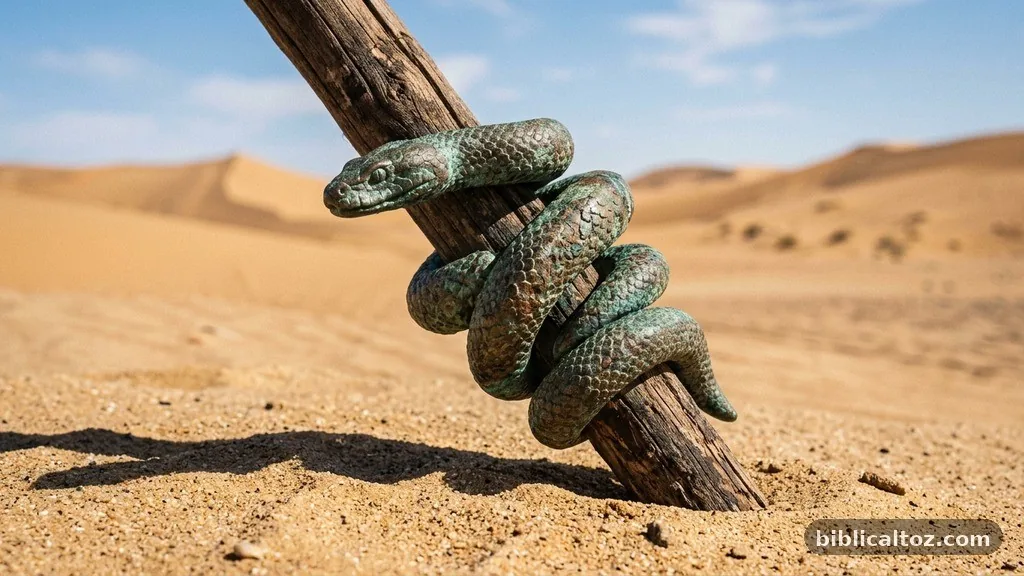
The bronze serpent in the wilderness is a powerful example of this theme. When the people were bitten by serpents, they were told to look at the bronze image to be healed. It was a visual reminder of their sin and a testament to God’s mercy in providing a way of escape.
| Material | Common Biblical Association |
|---|---|
| Gold | Divinity, purity, and heavenly glory |
| Silver | Redemption and the price of atonement |
| Bronze | Judgment, endurance, and sacrifice |
Important Bible Passages About Bronze Symbolism in the Bible
- Numbers 21:9: Moses makes a bronze serpent, pointing toward the future healing found in Christ.
- 2 Chronicles 4:1: Solomon builds a bronze altar for the temple, continuing the tradition of sacrifice.
- Revelation 1:15: The vision of Christ shows feet like refined bronze, indicating His holy authority.
How Bronze Symbolism in the Bible Is Used Symbolically in Scripture
The Bible uses bronze to contrast the temporary with the eternal. While gold is associated with the heavenly realm, bronze is firmly planted in the earthly sphere, dealing with the struggles of humanity.
It symbolizes the hard, necessary work of transformation. Just as raw metal must be smelted to become useful, the believer often undergoes trials that test their faith, refining them for the Lord’s service.
Does Bronze Symbolism in the Bible Always Have the Same Meaning?
No, the meaning is always tied to the specific biblical context. In the tabernacle, it represents the place of atonement. In the story of the bronze serpent, it represents a specific act of divine healing.
In the vision of Revelation, it represents the strength and unmovable nature of Christ. We must avoid assigning a static, mystical meaning to the metal and instead look at what the passage says about God’s character in that moment.
Bronze Symbolism in the Bible and Christian Faith Today
For the modern believer, the symbolism of bronze serves as a reminder of the cost of our redemption. We no longer offer animal sacrifices on bronze altars, but we recognize that our approach to God is only possible because of the ultimate sacrifice of Christ. It encourages us to live with a healthy reverence for God’s holiness, knowing that He is both a consuming fire and a gracious provider.
Common Misunderstandings About Bronze Symbolism in the Bible
A frequent error is to treat bronze as a “lesser” metal in a way that suggests it is unimportant. Some readers assume that because gold is more valuable, bronze has no spiritual weight.
However, the Bible treats the bronze elements of the tabernacle with extreme care and holiness. Another mistake is to search for secret, coded messages in the metal, rather than focusing on the clear theological truths about judgment and sacrifice that the text explicitly presents.
Related Bible Verses
* Exodus 38:8 (The bronze basin for washing)
* Deuteronomy 28:23 (The sky as bronze, symbolizing judgment)
* 1 Kings 7:15 (The bronze pillars of the temple)
* Daniel 2:32 (The bronze portion of the statue)
FAQs
What does bronze symbolize in the Bible?
Bronze is most often associated with divine judgment, the endurance of God’s justice, and the sacrificial system established to atone for human sin.
Why are Jesus’ feet described as bronze in Revelation?
This image signifies the strength, purity, and unyielding authority of Christ as He walks among the churches and judges the world with perfect righteousness.
Is bronze always a negative symbol?
Not necessarily. While it relates to judgment, it also relates to God’s provision for healing and the necessary steps of purification that allow people to draw near to Him.
Where is bronze mentioned most frequently?
The most frequent mentions are found in the books of Exodus and Numbers, specifically regarding the construction of the tabernacle and the items used within the courtyard.
Conclusion
Understanding the significance of this metal helps us read the Old Testament with greater clarity. It highlights the holiness of God and the seriousness of sin, while simultaneously pointing us toward the grace provided through sacrifice. When we study these details, we aren’t just learning about ancient construction; we are learning about the character of the God who desires to dwell among His people.
I encourage you to keep observing these small details in your own reading, as they often reveal the depth of God’s plan for humanity. By staying grounded in the context of the text, you will find that even the most common materials in Scripture serve to magnify the glory of the Lord.