Biblical Meaning of Archangel Michael and Gabriel
When looking into the biblical meaning of Archangel Michael and Gabriel, it becomes clear that these two figures serve as pivotal messengers and protectors within the divine narrative. While popular culture often groups them together as a pair, the scriptures provide distinct, specific accounts of their actions that highlight their unique roles in God‘s plan.
By examining these accounts, one can gain a deeper understanding of how heavenly beings interact with the human experience according to the text. This study seeks to clarify their scriptural significance, moving past common myths to focus on what the ancient writings actually say about these notable figures.
Who Is Michael in the Bible?
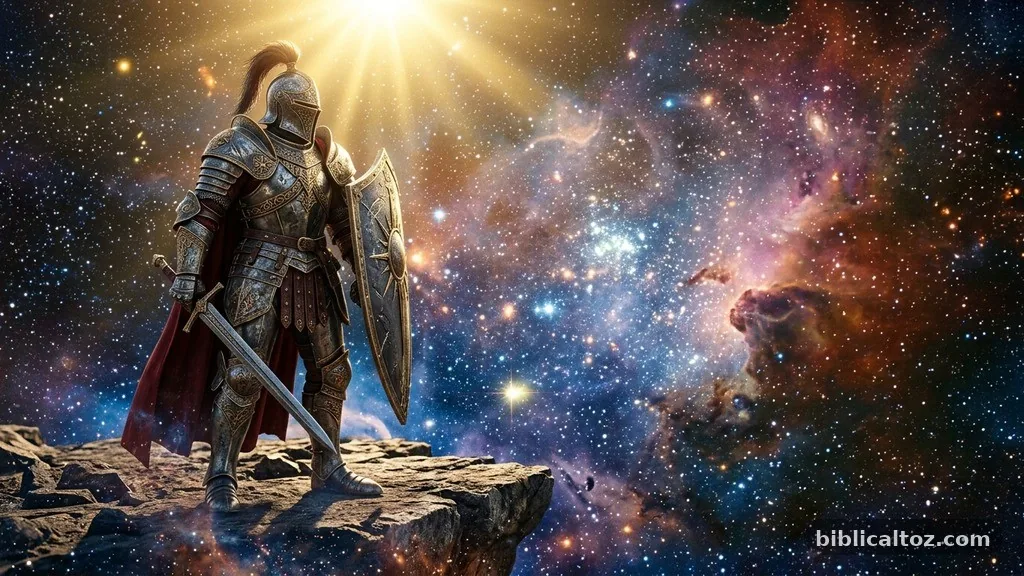
Michael is introduced in the scriptures as a powerful, heavenly figure with a specific focus on the protection of God’s people. His name itself, which translates roughly to a question asking who is like God, serves as a testament to his role in honoring the sovereignty of the Creator. Unlike other angels who are often depicted simply delivering messages, Michael is frequently associated with conflict, defense, and the spiritual struggle that exists beyond the physical realm.
In the book of Daniel, he is identified as one of the chief princes, suggesting a high level of authority and responsibility within the spiritual hierarchy. He stands in opposition to the forces that seek to undermine the divine will.
By looking at these passages, it is clear that his presence is not accidental but purposeful, appearing at critical moments when the fate of those who follow God is at stake. He is a protector who operates under the ultimate authority of the Almighty.
Michael’s Role in Daniel
The accounts in Daniel offer a vivid look at the spiritual dimensions of history. In Daniel 10, the prophet describes a vision of a heavenly being who explains that he was delayed in his arrival because he was fighting against the prince of Persia, and that Michael, one of the chief princes, came to his aid. This passage highlights Michael as a formidable force who engages in the unseen battles that impact the course of human events.
Furthermore, in Daniel 12, the text speaks of a time of great distress, stating that at that time Michael shall stand up, the great prince who stands for the children of your people. This emphasizes his role as a guardian of Israel during times of national or spiritual crisis. He is not merely an observer; he is an active participant in the protection of the covenant people, ensuring that they are not forgotten or abandoned during periods of intense trial and tribulation.
Michael the Archangel in Jude 9
The epistle of Jude provides one of the most direct references to Michael’s title. In verse 9, the text explicitly refers to him as Michael the archangel.
This specific designation is significant because it is the only place in the entire Bible where the term archangel is used in direct connection to a named being. This verse describes a dispute between Michael and the adversary regarding the body of Moses.
What is particularly striking about this account is Michael’s restraint. Instead of relying on his own immense power or engaging in a tirade, he simply states that the Lord rebuke you. This incident serves as a powerful lesson on humility and the proper exercise of authority.
Even a being of his status recognizes that his power is derived from and subject to the authority of God. It reinforces the idea that true spiritual strength is found in obedience and reliance on the divine rather than in self-exaltation.
Michael in Revelation 12
In the book of Revelation, the imagery shifts to a cosmic battle. Revelation 12:7-9 describes a war in heaven where Michael and his angels fight against the dragon, who is identified as the ancient serpent, the devil, or Satan. This passage portrays Michael as the leader of the heavenly host in a decisive conflict that results in the casting out of the adversary.
This victory is not presented as a result of Michael’s independent power, but as a triumph of the divine order. The expulsion of the adversary marks a shift in the spiritual landscape, clearing the way for the ultimate fulfillment of God’s purposes. By analyzing this, one sees Michael as a steadfast defender of the heavenly realm who ensures that the integrity of God’s domain is maintained against the forces of rebellion and chaos.
What Does Michael Represent Biblically?
Biblically, Michael represents the protective and militant aspect of the angelic realm. He embodies the concept of a guardian who acts on behalf of the faithful, particularly during times of intense spiritual or existential threat. His actions suggest that there is a protective layer of divine intervention that, while often invisible, is constantly engaged in supporting those who remain loyal to the truth.
He also represents the hierarchy of heaven, standing as a chief prince who carries out specific assignments with unwavering loyalty. His life, as presented in scripture, is defined by his commitment to defending the people of God and upholding divine justice. He reminds readers that the struggle against evil is real, but also that there are forces aligned with the divine will that are actively working to ensure the victory of righteousness over wickedness.
Who Is Gabriel in the Bible?
Gabriel is best known as the primary messenger of God. While Michael is the warrior, Gabriel is the herald who brings clarity, interpretation, and news of monumental importance.
His name is associated with the idea of God’s strength, yet his primary function is to bridge the communication gap between the divine and the human. He appears in both the Old and New Testaments to deliver information that shifts the trajectory of history.
He does not typically engage in the physical battles described in the accounts of Michael. Instead, he engages with the minds and spirits of the prophets and chosen individuals.
His appearances are characterized by clarity, instruction, and the unveiling of mysteries that would otherwise remain hidden. He is the voice that prepares the way for the understanding of God’s unfolding plan.
Gabriel’s Role in Daniel
Gabriel appears to Daniel on multiple occasions to explain visions that were too complex for the prophet to understand on his own. In Daniel 8, Gabriel is commanded to make the prophet understand the vision of the ram and the goat. This interaction establishes Gabriel as a teacher who translates the symbolic language of heaven into a form that a human can comprehend.
In Daniel 9, Gabriel arrives to give skill and understanding regarding the prophecy of the seventy weeks. This is a critical moment in biblical history, as it provides a timeline for the coming of the Messiah.
Gabriel’s ability to transmit such precise information underscores his role as a trusted intermediary. He ensures that the messages from God are not just delivered, but are understood, allowing the recipients to prepare themselves for what is to come.
Gabriel’s Message to Zechariah
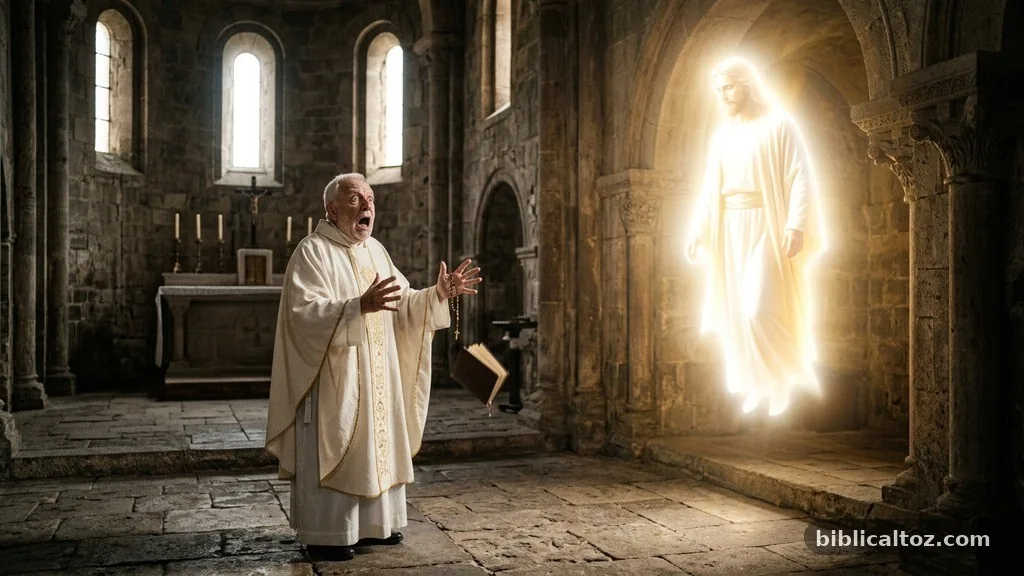
In the New Testament, Gabriel’s role as a messenger continues when he appears to the priest Zechariah in the temple. He announces that Zechariah’s wife, Elizabeth, will bear a son, John, who will prepare the way for the Lord. This announcement serves as the catalyst for the events leading up to the birth of Jesus.
Zechariah’s initial doubt results in him being struck mute, a sign that underscores the authority of the message Gabriel brought. By the time the child is born, the truth of Gabriel’s words is undeniable.
This account demonstrates that Gabriel’s messages are not mere suggestions; they are divine decrees that carry the weight of fulfillment. He functions as the herald of a new era, bridging the gap between the ancient promises of the prophets and their manifestation in the life of the Messiah.
Gabriel’s Message to Mary
Perhaps the most famous appearance of Gabriel is his visit to Mary in Nazareth. He announces that she will conceive by the Holy Spirit and give birth to the Son of the Most High.
This message is the hinge upon which the New Testament turns. Gabriel provides the necessary information for Mary to understand the miraculous nature of the event, guiding her through the initial shock and confusion.
His presence brings a sense of divine order to an extraordinary situation. By explaining the nature of the child and the significance of his birth, Gabriel transforms a potential moment of fear into one of profound purpose. This interaction highlights his role as a facilitator of the divine plan, ensuring that those chosen to participate in the history of salvation are fully informed and prepared for their calling.
What Does Gabriel Represent Biblically?
Gabriel represents the communicative power of God. He is the bridge between the infinite knowledge of the Creator and the limited understanding of humanity.
Through him, the complex, often cryptic messages of God are rendered into accessible, actionable guidance. He symbolizes the idea that God is a communicator who desires for his people to understand the path he has set before them.
He also represents the transition between the old and the new. His messages to Zechariah and Mary serve as the transition point from the prophetic expectations of the Old Testament to the fulfillment found in Jesus. He is the herald of the gospel, the one who initiates the process of revelation that leads to the ultimate understanding of God’s love and his plan for redemption.
Michael vs. Gabriel: Roles and Differences
The distinction between these two figures is found in the nature of their assignments. Michael is the protector, the defender, and the one who engages in the conflict necessary to preserve the safety and integrity of God’s people. Gabriel is the teacher, the herald, and the one who provides the enlightenment necessary to move the divine plan forward.
- Michael operates primarily in the realm of defense and spiritual warfare.
- Gabriel operates primarily in the realm of revelation and divine communication.
- Michael is explicitly named as an archangel in the scriptures.
- Gabriel is never titled as an archangel in the biblical text, though tradition often assigns him this role.
- Michael is linked to the protection of Israel and the defeat of the adversary.
- Gabriel is linked to the announcement of the Messiah and the explanation of prophetic mysteries.
| Feature | Michael | Gabriel |
|---|---|---|
| Named in Scripture | Yes | Yes |
| Explicitly Called Archangel | Yes (Jude 9) | No |
| Major Biblical Role | Defender/Warrior | Messenger/Herald |
| Key Passages | Daniel, Jude, Revelation | Daniel, Luke |
Are Michael and Gabriel Archangels?
It is a common point of confusion whether both of these figures should be classified as archangels. The Bible is very specific: it uses the term archangel only once, and that is to describe Michael.
There is no verse in the canon that applies this specific title to Gabriel. While many religious traditions and historical commentaries have grouped them together as archangels, this is an addition to the text rather than a direct scriptural claim.
When discussing their nature, it is safer to rely on the language provided by the writers of the Bible. Michael is the archangel. Gabriel is a messenger who stands in the presence of God.
While both are clearly high-ranking heavenly beings with significant responsibilities, the Bible distinguishes between them by the language it chooses to use. Respecting these distinctions allows for a more accurate reading of the holy text.
What Christians Can Learn From Their Biblical Accounts
The primary lesson from the accounts of Michael and Gabriel is that God is active in the affairs of the world. He does not remain distant; he sends messengers to guide his people and provides protectors to ensure his purposes are carried out. These beings serve as reminders that the physical world is not all that exists and that there is a larger, divine reality at work.
Furthermore, these accounts teach the importance of humility and obedience. Michael’s restraint in his dispute with the adversary and Gabriel’s faithful delivery of God’s messages both point to a central truth: these beings exist to serve God, not themselves.
For the Christian, this underscores the necessity of worshiping God alone. Angels are instruments of his will, and their actions are designed to draw attention to the Creator, not to the instruments themselves.
Common Myths About Michael and Gabriel
A frequent myth is that Michael and Gabriel are brothers or that they possess equal authority. The scripture does not define any familial relationship between them, nor does it suggest they act as a duo that shares equal power.
They are distinct entities with distinct tasks assigned by the Sovereign. Another common misconception is that people should pray to these angels for protection or guidance.
The Bible provides no instruction or example of humans praying to angels. Instead, the consistent biblical model is to address prayers directly to God.
Angels are described as ministering spirits, but they are not the objects of worship or the recipients of intercessory petitions. Maintaining this boundary is essential for a practice that remains aligned with biblical teachings.
FAQs
Who are Michael and Gabriel in the Bible?
Michael and Gabriel are high-ranking heavenly beings who appear in the Bible as agents of God. Michael is described as a protector and defender, while Gabriel is described as a messenger who brings revelations and news from the divine.
Is Michael the only archangel named in Scripture?
Yes, the Bible explicitly applies the title of archangel to Michael in the book of Jude. No other being is given this specific title in the canonical text.
Is Gabriel an archangel?
The Bible does not explicitly call Gabriel an archangel. While popular tradition often classifies him as one, the scripture itself refers to him as a messenger who stands in the presence of God.
What does Michael do in the Bible?
Michael is involved in protecting the people of God, fighting against the adversary, and maintaining the order of the heavenly realm. He is seen acting as a defender during times of spiritual crisis.
What did Gabriel tell Mary?
Gabriel appeared to Mary to announce that she would conceive by the Holy Spirit and give birth to Jesus, the Son of the Most High. He provided the necessary explanation for her to understand the significance of the event.
What does Michael represent?
Michael represents the protective and militant power of God. He symbolizes the reality of spiritual warfare and the assurance that God provides defense for his people against the forces of evil.
What does Gabriel represent?
Gabriel represents the communicative and revelatory aspect of God. He symbolizes the way in which God bridges the gap between the divine and the human through clear, purposeful instruction.
Are Michael and Gabriel brothers?
There is no biblical evidence to suggest that Michael and Gabriel are brothers. Scripture presents them as distinct spiritual beings with separate roles assigned by God.
Should Christians pray to angels?
The Bible does not teach or encourage the practice of praying to angels. Scripture directs believers to pray to God alone, as he is the only one who hears and answers prayer.
What is the difference between Michael and Gabriel?
The main difference lies in their functions: Michael is a defender who engages in spiritual conflict, while Gabriel is a herald who delivers divine messages and revelations.
Conclusion
The biblical meaning of Archangel Michael and Gabriel is found in their roles as servants of the Most High. Michael acts as the defender of the faithful, standing firm against the adversary to protect the divine order.
Gabriel serves as the divine messenger, opening the eyes of the prophets and the chosen to the unfolding plan of salvation. Together, their accounts remind us that God is actively involved in history, providing both the protection and the understanding necessary for his people to walk in his ways.
By focusing on what the text actually says, one can appreciate these beings for their faithfulness and their specific contributions to the biblical narrative. They direct our gaze not to themselves, but to the God whom they serve with such distinction.
For those seeking to deepen their understanding of these heavenly figures, the best path is to continue reading the scriptures with a heart open to the truth. Explore more biblical insights and studies at BiblicalToZ today.