Aaron in the Bible: Life, Priesthood & Legacy
When you look at the narrative of the Exodus, the story of Aaron in the Bible stands out as a pivotal account of human frailty paired with divine grace. As the older brother of Moses, he served as a bridge between the liberating power of God and the often-doubting hearts of the Israelites.
His journey from a spokesperson in Egypt to the first high priest of Israel offers a unique perspective on leadership, failure, and the necessity of atonement. Understanding his life reveals how God uses imperfect people to establish sacred patterns for worship and community.
The Calling and Partnership of Aaron
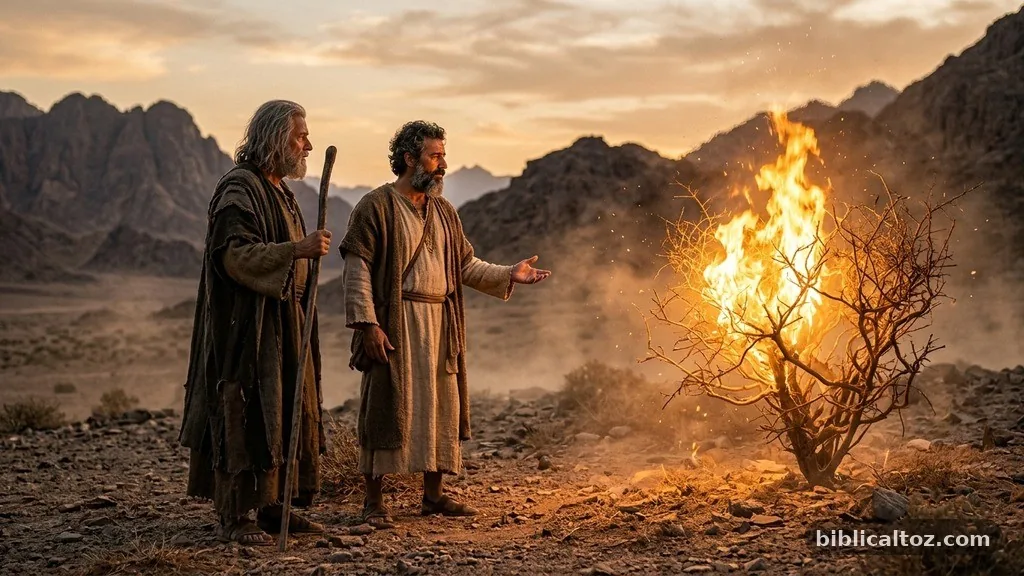
The biblical record introduces Aaron as a Levite, the son of Amram and Jochebed. When God called Moses from the burning bush, Moses initially resisted the mission, citing his lack of eloquence. God addressed this by appointing Aaron to be the voice for his brother.
This partnership became the engine of the Exodus. Aaron possessed a natural ability to speak, which complemented Moses’ role as the visionary leader.
Their collaboration was not merely a matter of convenience; it was a divine assignment. By working together, they demonstrated that ministry often requires distinct, complementary gifts. Aaron’s role evolved quickly from being a mouthpiece to acting as a mediator for the people before the Pharaoh.
Aaron as the First High Priest
Following the departure from Egypt, the establishment of the priesthood marked a significant transition in the life of the nation. God instructed Moses to set apart Aaron and his sons for the priestly service. This was an hereditary office, foundational to the religious structure of the Israelites.
The responsibilities of this position were immense. Aaron was tasked with maintaining the tabernacle, offering sacrifices for the sins of the people, and representing the nation before God. The following table highlights the specific roles assigned to the priestly family.
| Role | Responsibility |
|---|---|
| High Priest | Enter the Holy of Holies on the Day of Atonement |
| Priest | Offer daily burnt offerings and grain offerings |
| Levite | Maintain the tabernacle and transport sacred items |
Moments of Failure and Redemption
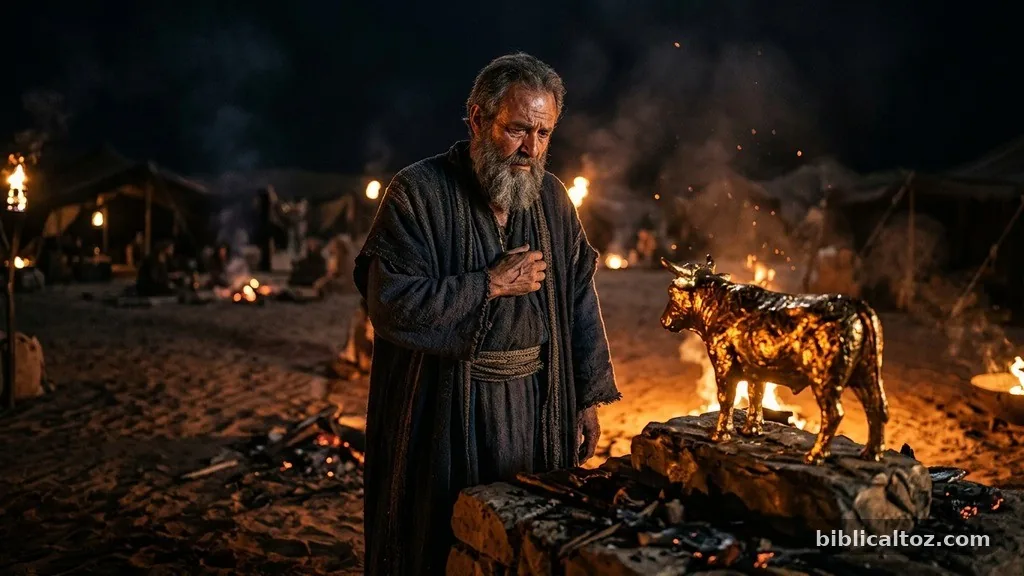
Despite his elevated status, Aaron was not immune to moral collapse. The most significant instance occurred at the foot of Mount Sinai.
While Moses was on the mountain receiving the Law, the people grew impatient and pressured Aaron to create an idol. He succumbed to their demands and fashioned a golden calf, an act of open rebellion against the command of God.
This failure serves as a sobering reminder of the pressure leaders face when the people they guide turn toward compromise. However, the narrative does not end in his ruin.
After the incident, Aaron continued his service, and his lineage remained the standard for the priesthood. His life underscores the biblical reality that God’s grace often persists even when those in leadership falter.
Key Lessons from the Life of Aaron
* Collaboration: Effective leadership often relies on sharing burdens and leveraging the strengths of others.
* Accountability: Even those in high spiritual positions are susceptible to the pressures of the crowd.
* Intercession: The role of the priest was to stand in the gap, a precursor to the work of Christ.
* Family Faithfulness: The commitment of his sons, despite the tragic death of Nadab and Abihu, highlights the weight of the priestly calling.
Frequently Asked Questions
What is the primary significance of Aaron in the Bible?
Aaron serves as the first high priest of Israel and the primary spokesperson for Moses. His life illustrates the transition from slavery in Egypt to the establishment of the Mosaic covenant and the sacrificial system.
Why did Aaron create the golden calf?
He gave in to the fear of the people. Faced with the prolonged absence of Moses and a restless, demanding crowd, Aaron prioritized public order over his commitment to the divine instructions he had received.
How did Aaron die?
The Bible records that he died on Mount Hor. Because of his disobedience at the waters of Meribah, God did not permit him to enter the Promised Land. His son, Eleazar, succeeded him as the high priest.
What does the name Aaron mean?
While the etymology is debated among scholars, the name is often associated with meanings like “exalted” or “mountain of strength.” It remains a significant name within both Jewish and Christian traditions.
Is Aaron mentioned in the New Testament?
Yes, the author of the Book of Hebrews frequently references the priesthood of Aaron to explain the superior nature of the high priesthood of Jesus. Jesus is described as a high priest in the order of Melchizedek, which is distinct from the Levitical line.
Reflecting on a Legacy of Service
The account of Aaron in the Bible provides a compassionate look at a man caught between human weakness and divine purpose. He was not a perfect hero, yet he played an essential part in the history of salvation. By examining his life, we see the importance of holding to one’s convictions, the danger of succumbing to popular opinion, and the profound need for a mediator who can approach the presence of God on behalf of others.
Whether you are studying the history of the Exodus or examining the roots of the priesthood, the story of this leader offers timeless insight. His life invites us to recognize our own need for grace and to value the communal aspects of faith. May your study of his journey continue to deepen your understanding of how God works through ordinary people to achieve extraordinary purposes.