Mount Zion Symbolism in the Bible: Meaning, History & Significance
Mount Zion symbolism in the Bible serves as a profound window into the heart of divine governance and the promise of eternal rest. Often described as the dwelling place of the Almighty, this location bridges the gap between a physical hill in Jerusalem and the spiritual reality of God‘s kingdom.
By examining the shifting context of this site across the centuries, we discover how the ancient writers used it to convey themes of stability, holiness, and refuge. Whether you are studying the poetic laments of the psalms or the prophetic visions of the future, understanding these layers of meaning helps clarify the narrative arc of Scripture and its enduring message of hope for all people.
What is Mount Zion symbolism in the Bible?
At its core, Mount Zion refers to the southeastern hill of Jerusalem, originally known as the stronghold of the Jebusites. Once King David captured the site, it became the City of David and the eventual location for the Ark of the Covenant.
In the biblical narrative, it matters because it represents the meeting point of heaven and earth. It is not merely a geographic coordinate; it functions as a theological anchor for the presence of God among His people.
Where is Mount Zion symbolism in the Bible?
Geographically, the site is situated in Jerusalem. While modern maps often point to a western hill as “Mount Zion,” historical and archaeological evidence suggests the original location was the Ophel, the lower ridge where the City of David once stood. This discrepancy arises from shifting traditions during the Roman and Byzantine eras, yet the spiritual weight of the name remains tied to the city that God chose as His throne.
Mount Zion symbolism in the Bible in the Old Testament
The Old Testament records the evolution of this location from a military conquest to a center of worship.
- 2 Samuel 5:7: David captures the stronghold of Zion, marking the start of its identity as a royal seat.
- Psalm 48:2: The psalmist describes it as the joy of the whole earth, emphasizing its status as the city of the great King.
- Isaiah 2:3: A prophecy declares that the law shall go forth from Zion, establishing it as a fountainhead of divine instruction.
Mount Zion symbolism in the Bible in the New Testament
The New Testament shifts the focus from the literal mountain to the spiritual reality it signifies. While the physical city remained important, writers like the author of Hebrews contrast the mountain of Sinai—associated with fear and law—with the heavenly Zion, which represents grace and the gathering of the faithful. The symbolism here is fulfilled in the person of Jesus and the community of believers who constitute the new temple.
Major Biblical Meanings of Mount Zion symbolism in the Bible
God’s Dwelling Place
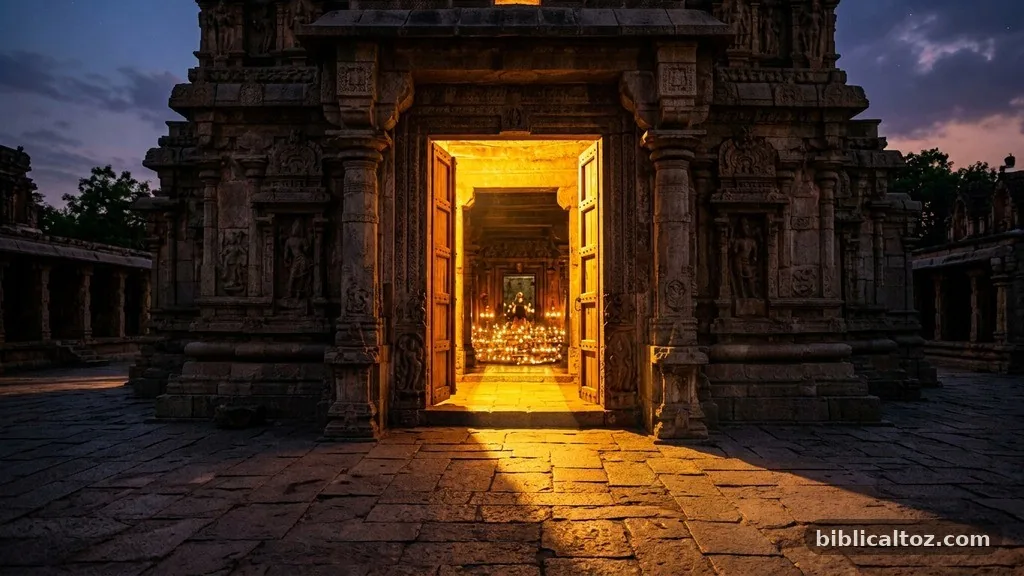
The site is frequently called the place where the Lord dwells. It represents the intimacy of God living among His chosen family, providing a sense of security that cannot be shaken.
The Center of Worship
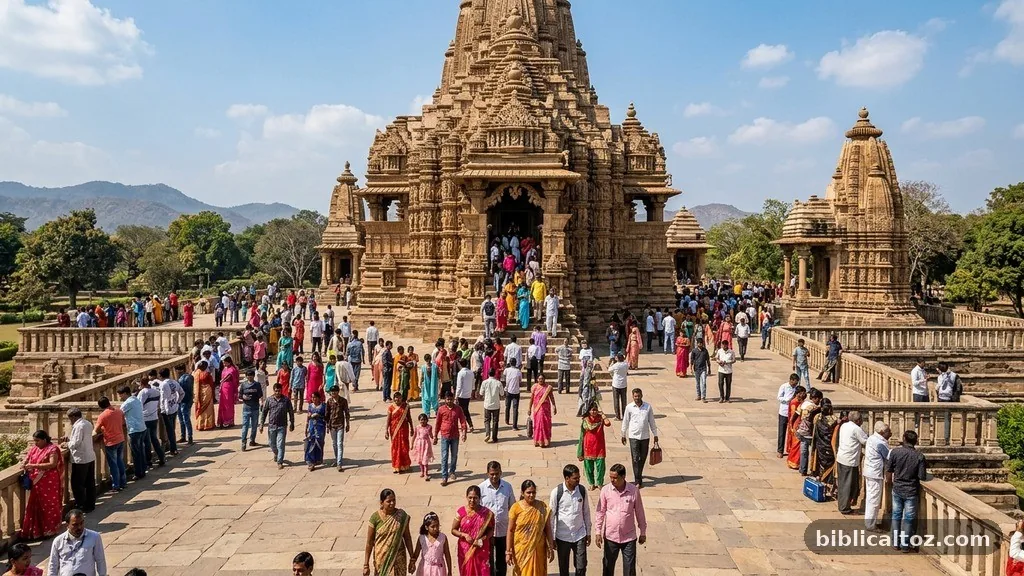
As the home of the Ark and eventually the Temple, it became the destination for pilgrims. It signifies the gathering of the nations to acknowledge the sovereignty of the Creator.
The Seat of Judgment and Mercy
The location acts as a courtroom where God judges the wicked but also provides a sanctuary for the righteous. This dual nature highlights the justice and compassion inherent in the divine character.
Major Biblical Events Connected to Mount Zion symbolism in the Bible
| Event | Reference | Significance |
|---|---|---|
| Capture by David | 2 Samuel 5 | Establishes the city as the political capital. |
| Ark Brought to Zion | 2 Samuel 6 | Marks the site as the center of divine presence. |
| Dedication of the Temple | 1 Kings 8 | Solidifies the mountain as the place of sacrifice. |
Mount Zion symbolism in the Bible as a Biblical Symbol
The mountain functions as a symbol of permanence. While empires rise and fall, the “mount” remains a testament to the enduring nature of the covenant. It is a poetic device used to contrast the fleeting power of human kings with the stability of the divine throne.
How the Meaning of Mount Zion symbolism in the Bible Develops Through the Bible
The concept progresses from a specific piece of land to a broader theological metaphor. In the early texts, it is a fortress.
By the time of the prophets, it becomes a city of refuge for the nations. In the final visions of Revelation, the symbol transcends geography entirely, pointing toward a New Jerusalem that descends from above.
Mount Zion symbolism in the Bible and Jesus Christ
Jesus is the ultimate fulfillment of the hope associated with this location. He enters Jerusalem as the true King, and through His death and resurrection, He establishes a kingdom that is not limited to a single hill. He is the cornerstone, the living presence that makes the promise of Zion accessible to everyone.
Mount Zion symbolism in the Bible and Christian Faith Today
For modern believers, the mountain serves as a reminder of our spiritual citizenship. We are not looking for a physical hill, but rather we are part of a kingdom that is being built on the foundation of Christ. It encourages us to live with the confidence that we belong to a city that cannot be moved.
Does Mount Zion symbolism in the Bible Always Have the Same Symbolic Meaning?
No, the meaning depends on the context of the passage. Sometimes it refers to the literal city of Jerusalem, other times to the people of God, and in apocalyptic literature, it symbolizes the eternal state of heaven. Ignoring these nuances can lead to misinterpreting the original intent of the author.
Common Misunderstandings About Mount Zion symbolism in the Bible
Many readers mistakenly believe that the mountain refers to a specific, singular event in the life of Jesus. Others confuse the mountain with the Temple itself, rather than the hill upon which it was built. It is also important to avoid equating the physical site with political agendas, as the biblical focus is primarily on spiritual identity and divine sovereignty.
Important Bible Verses About Mount Zion symbolism in the Bible
- Psalm 125:1: Those who trust in the Lord are like Mount Zion, which cannot be shaken.
- Hebrews 12:22: You have come to Mount Zion and to the city of the living God.
- Revelation 14:1: I looked, and behold, a Lamb standing on Mount Zion.
Related Biblical Places and Themes
The significance of this site is deeply linked to the concept of the Temple, the history of the Promised Land, and the nature of the Davidic covenant. These themes help us understand how the Lord works through specific places to reveal His broader plan for humanity.
FAQs
Is Mount Zion the same as the Temple Mount?
While they are often used interchangeably in casual conversation, the historical Mount Zion was the lower hill, while the Temple was built on the higher ridge to the north.
Why is Zion called the City of David?
It was called this because David conquered the Jebusite fortress there and established his royal palace and administration within its walls.
What does it mean to be a daughter of Zion?
This is a poetic personification of the city’s inhabitants, often used by prophets to describe the people of Israel as a community awaiting God’s restoration.
Will Mount Zion be important in the future?
Scripture indicates that the glory associated with this site finds its ultimate expression in the New Jerusalem, where God will dwell eternally with His people.
Conclusion
Mount Zion symbolism in the Bible provides a rich narrative of God’s faithfulness and His desire to dwell among His people. From the early days of David’s kingdom to the eternal visions of the Lamb, this mountain represents the unwavering stability of the divine presence.
By grounding our faith in the truth of Scripture, we can see how these ancient images point us toward the reality of our current life in Christ. May your own study of these texts draw you closer to the heart of the city of the living God, encouraging you to stand firm in the hope that is yours today.