Symbols in the Bible and Their Meanings
The use of imagery and metaphor is central to the narrative of the scriptures, as symbols in the Bible serve as bridges between the physical world and abstract spiritual truths. By employing familiar objects and natural elements, the writers of the text were able to convey complex theological concepts in ways that resonate across different cultures and eras.
The Significance of Natural Elements

Nature often provides the backdrop for divine revelation, with elements like water and light appearing repeatedly to communicate essential truths. Water, for instance, is frequently used to signify purification, renewal, and the sustaining power of life. In many passages, it represents the transformative grace offered by God, washing away spiritual impurity and offering refreshment to the weary.
Light serves as another profound motif, typically representing the presence of the divine, truth, and moral clarity. By contrasting light with darkness, the writers emphasize the distinction between righteousness and ignorance. When Jesus refers to himself as the “light of the world,” he is utilizing this established imagery to claim his role as the source of guidance and revelation for humanity.
Representations of the Holy Spirit
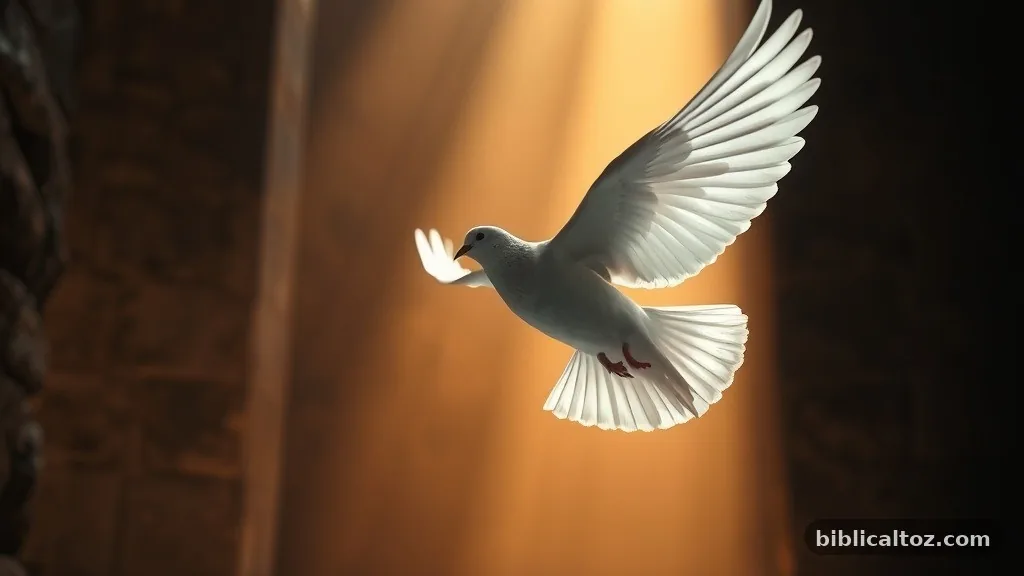
The Holy Spirit is depicted through a variety of manifestations that describe its active work in the lives of believers. One of the most recognizable is the dove, which appears during the baptism of Christ to signify peace and the descent of divine favor. Other representations include fire, which highlights the refining and empowering nature of the Spirit, and wind, which illustrates its invisible yet undeniable influence and movement.
These varied images help readers grasp the multifaceted nature of the Spirit. While fire might emphasize the intensity of conviction or transformation, oil often symbolizes the anointing, healing, and setting apart of an individual for a specific purpose. Together, these tokens form a cohesive picture of how the divine interacts with the human experience.
Common Symbolic Figures and Objects

Many of the most enduring images in the text center on the roles and sacrifices associated with the ministry of Jesus. The metaphor of the Good Shepherd is perhaps the most famous, illustrating the protective, sacrificial, and guiding relationship between the Savior and his followers. This imagery draws upon the agrarian lifestyle of the times, making the concept of divine care deeply personal and relatable.
Bread also holds a place of prominence, representing both physical sustenance and the spiritual nourishment found in Christ. During the Last Supper, bread was transformed into a powerful emblem of sacrifice and communal unity. Other common symbols include:
- The Vine: Illustrating the necessity of remaining connected to the source of life to bear fruit.
- The Lamb: A classic image of innocence and the ultimate sacrifice offered for the forgiveness of sins.
- The Rock: A testament to the stability, strength, and unwavering nature of the divine foundation.
Interpreting Prophetic and Numerical Imagery
Numbers often carry specific weight in the scriptures, acting as a shorthand for completeness or divine order. The number seven, for example, is frequently associated with perfection and the completion of a cycle, whether in the creation narrative or in the prophetic visions of the New Testament. Recognizing these numerical patterns can help readers better understand the structure and intent behind complex passages.
Prophetic symbolism often involves more abstract figures, such as animals or visions of judgment, which were intended to convey messages of warning or hope to specific audiences. While these images can seem enigmatic today, they were rooted in the historical and cultural context of their times. By examining the broader narrative of the Bible, one can discern how these signs point toward the ultimate restoration of the family of God and the fulfillment of divine promises.