Number 14 meaning in the Bible
The number 14 meaning in the Bible is deeply rooted in the concepts of deliverance, salvation, and the perfection of God‘s timing. Throughout the scriptures, this figure appears in contexts that bridge the gap between human history and divine purpose, often acting as a marker for transition and fulfillment.
The Genealogy of Jesus and the Significance of 14
One of the most prominent instances of this figure is found in the Gospel of Matthew. In the opening chapter, the author outlines the lineage of Jesus, intentionally structuring the genealogy into three sets of fourteen generations.
Connecting the Lineage
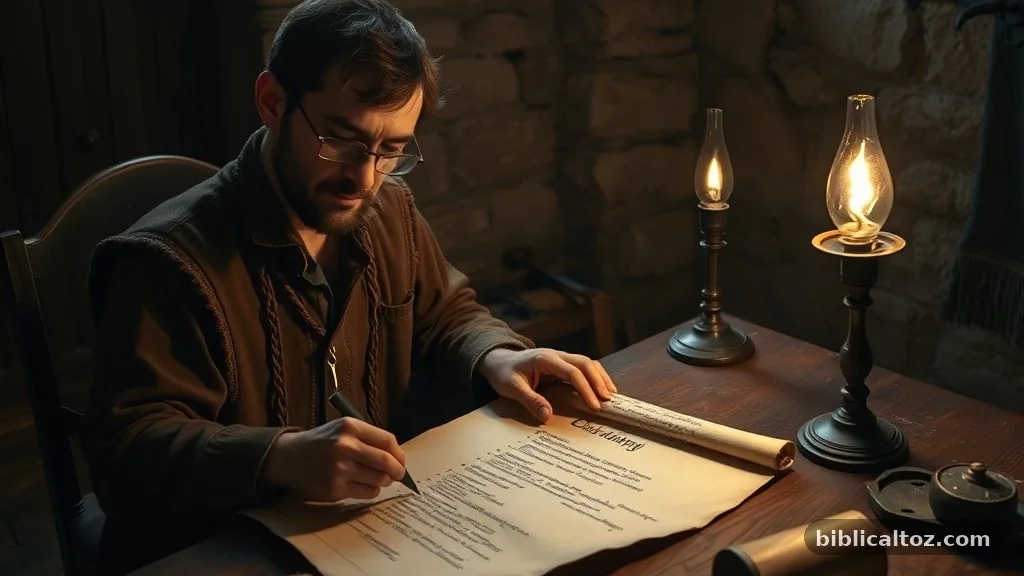
Matthew emphasizes that there were fourteen generations from Abraham to David, fourteen from David to the Babylonian exile, and fourteen from the exile to the Messiah. By using this specific sequence, the writer highlights that Jesus is the culmination of the promises made to Israel. This structure serves as a theological statement, suggesting that the arrival of the Savior was not a random event but a calculated, divinely ordained milestone in the history of the world.
Deliverance and the Number 14
Beyond the genealogy of Jesus, the number 14 is frequently associated with the Passover and the liberation of the people from bondage. In the book of Exodus, the Lord commanded that the Passover lamb be slaughtered on the 14th day of the first month.
A Symbol of Redemption

This timing is significant because it marks the moment when the Israelites were instructed to mark their doorposts with blood, ensuring their protection from the final plague in Egypt. Because the 14th day coincides with the full moon, it represents a moment of illumination and spiritual transition. It serves as a reminder that the number represents the point at which God intervenes to deliver His people from darkness into a new beginning.
Historical and Scriptural Occurrences
The number 14 appears in various other contexts that offer insight into its broader biblical application. For instance, in the book of Genesis, Jacob worked for Laban for 14 years to earn his wives, Rachel and Leah. These years of service were a period of trial, patience, and eventual establishment of his family line.
Lessons from the Wilderness
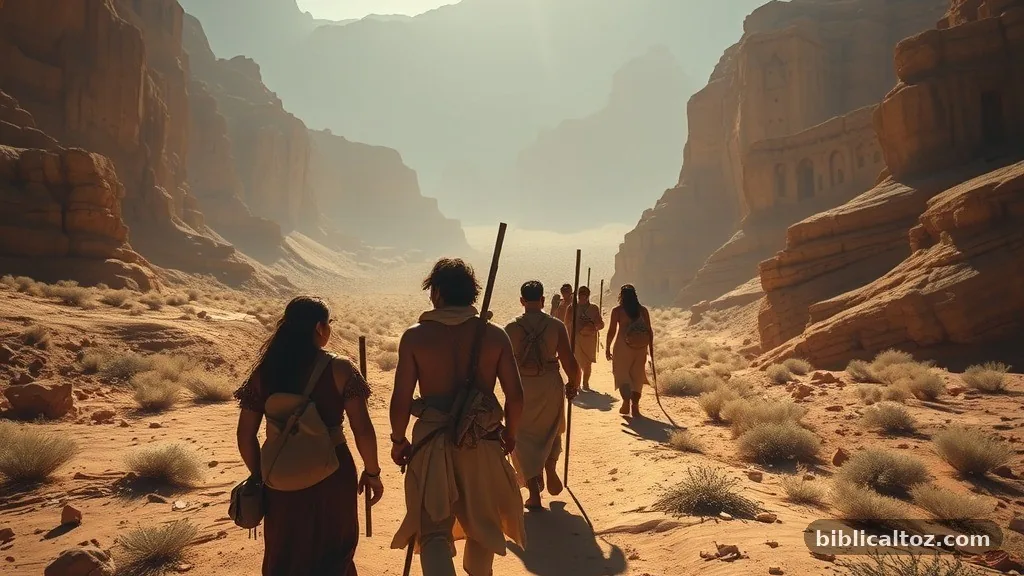
In the book of Numbers, the Israelites’ journey through the wilderness is marked by various tests of faith. When the people rebelled against Moses and refused to enter the promised land, the Lord decreed that they would wander for years corresponding to the days they spent spying out the land. While the primary judgment was 40 years, the recurring focus on specific counts reminds readers that every day and every season is under the sovereign rule of the Creator.
Spiritual Symbolism in Hebrew Tradition
In Jewish tradition, numbers often carry deep symbolic weight beyond their mathematical value. The number 14 is composed of two sevens, a figure that represents spiritual perfection and completion in the Bible. By doubling seven, the number 14 suggests a heightened sense of spiritual intensity or a double portion of divine grace.
The Intersection of Faith and Time
For many scholars, the 14th day is seen as a threshold—a moment of crossing over. Whether it is the Passover lamb, the generations leading to the King, or the years spent in labor, this number consistently points toward the fulfillment of a promise. It encourages believers to view their own experiences as part of a larger, carefully orchestrated narrative directed by the Lord, where even the most difficult seasons are leading toward a specific, ordained outcome.