Lamb Symbolism in the Bible: Origins and Significance
The presence of the lamb in scripture serves as one of the most enduring motifs in religious history, representing themes of innocence, obedience, and atonement. From the earliest narratives in the Old Testament to the visionary imagery found in the final book of the New Testament, this creature acts as a central figure for understanding divine interaction with humanity. By examining these appearances, one can better grasp how the metaphor evolved from a physical offering to a spiritual title for Christ.
The Foundation of Sacrifice in the Old Testament
The concept of the sacrificial animal is deeply rooted in the history of the Israelites. In the Hebrew tradition, the lamb was not merely livestock; it was a primary vessel for ritual atonement.
The Significance of the Passover Lamb

The most prominent connection occurs during the Exodus. When the Israelites were delivered from slavery in Egypt, they were instructed to mark their doorposts with the blood of an unblemished animal. This act provided a sign of protection, shielding their households from the final plague. This event established a permanent link between the shedding of blood and the salvation of the family, a concept that would later be reinterpreted in a new light.
Atonement and Obedience
Beyond the night of the Exodus, lambs were frequently utilized in temple rituals to represent the guilt of the people. These animals were chosen for their perceived purity and docility. By offering them, the worshipper acknowledged their own shortcomings and sought reconciliation with the divine through a tangible act of submission.
The Lamb of God in the New Testament
As the narrative shifts to the New Testament, the symbolism undergoes a profound transition. The focus moves away from ritual animal offerings toward a singular, representative figure who encapsulates the meaning of these historical practices.
John the Baptist and the Introduction of Christ
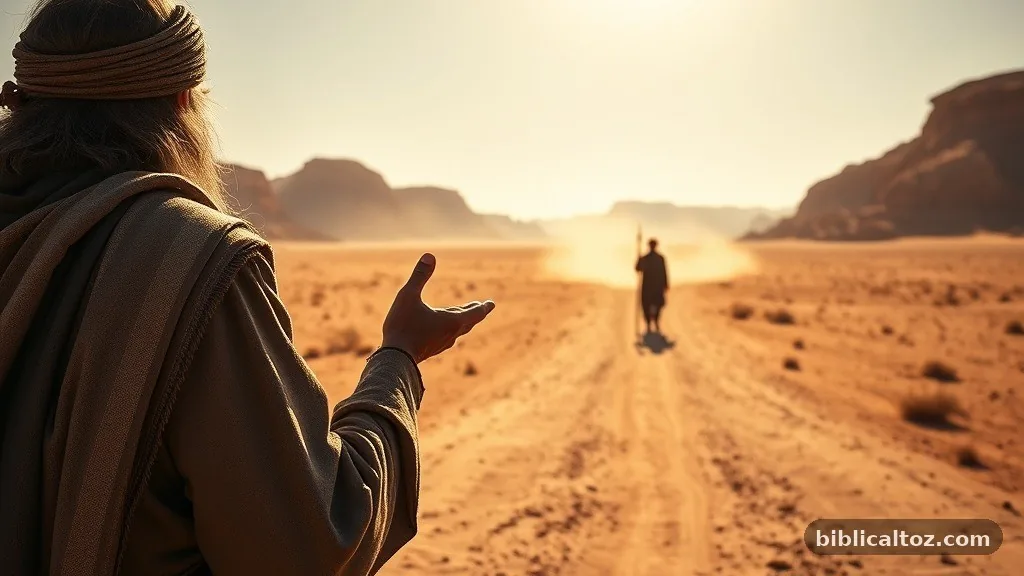
When John the Baptist identified Jesus as the “Lamb of God,” he was signaling a radical departure from traditional temple sacrifices. This declaration bridged the gap between the ancient sacrificial system and the mission of Christ. By using this title, John suggested that the long-standing quest for redemption would now be fulfilled through the life and death of a single person rather than the recurring sacrifice of animals.
The Agnus Dei and Divine Victory
The term Agnus Dei, or Lamb of God, persists throughout theological discourse as a symbol of both vulnerability and ultimate power. In the Book of Revelation, the imagery of the lamb is transformed into a figure of triumph. It is depicted not just as a victim, but as a ruler who has overcome the forces of darkness. This version of the symbol highlights the paradox of the Christian faith: that strength is often found in humility and self-sacrifice.
Spiritual Themes Associated with the Lamb
Why does this specific animal remain such a powerful symbol in religious thought? The answer lies in the inherent characteristics attributed to the creature throughout history.
Innocence and Gentleness
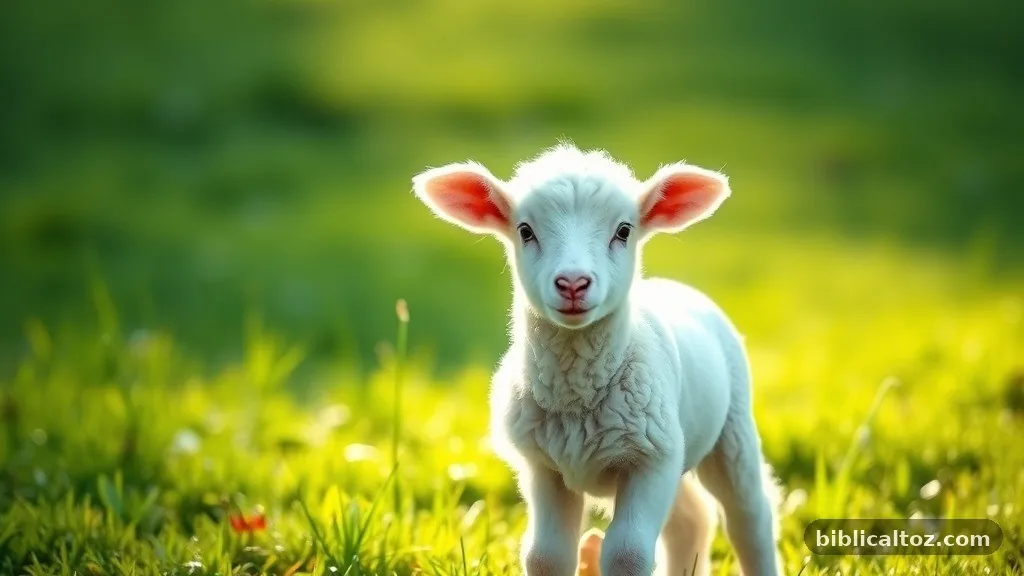
Lambs are globally recognized for their quiet nature and lack of aggression. In a spiritual context, this innocence represents a state of being that is untainted by malice. This serves as a reflection of the character expected of believers, who are often encouraged to mirror this gentleness in their own lives.
The Concept of Voluntary Surrender
While the lamb is often seen as a passive participant, its role in the Bible is defined by voluntary surrender. It does not fight against its fate, which mirrors the narrative of the crucifixion. This willingness to endure suffering for the sake of others is the core message associated with the lamb. It frames the act of sacrifice as an intentional choice made out of love, rather than a forced or administrative requirement.
Interpreting the Message for Modern Times
Reflecting on the role of the lamb in scripture invites a deeper question regarding its relevance today. For many, the symbol serves as a reminder of the cost of grace and the importance of integrity.
Whether viewed through a historical lens or a theological one, the image of the lamb continues to anchor the narrative of divine rescue. It reminds the reader that even in times of transition or struggle, there is a path toward peace that values mercy over judgment.