Light Symbolism in the Bible: Meanings and Significance
Light symbolism in the Bible serves as a foundational motif that bridges the physical experience of illumination with the spiritual reality of a relationship with the Divine. From the very first verses of Genesis to the closing chapters of Revelation, the imagery of radiance and brilliance is used to convey truth, holiness, and the presence of the Creator.
The Primacy of Light in Creation
The narrative of scripture begins with the emergence of light, establishing it as the first act of order against the void. In Genesis, the command “Let there be light” signifies more than a physical phenomenon; it represents the onset of God‘s creative power. This initial illumination establishes a binary relationship between light and darkness, which remains a recurring theme throughout the text.
By separating the light from the darkness, the narrative introduces the concept of discernment. Light is inherently linked to the activity of God, acting as the medium through which the world transitions from chaos to structure. This theme is echoed in various translations, such as the ESV or NASB, where the creation of light is framed as an act of deliberate, life-giving intent.
Christ as the True Light
In the New Testament, the Gospel of John elevates the concept of light by identifying it directly with the person of Jesus. John 8:12 records the famous declaration, “I am the light of the world,” shifting the symbolism from an abstract force to a personal guide. This transition invites the reader to consider how the presence of Christ functions as a beacon for those navigating the complexities of human existence.
Illumination and Guidance

This light is frequently contrasted with the darkness of the world, which represents ignorance, sin, and spiritual separation. To “walk in the light” is a common biblical metaphor for living in alignment with divine truth. It suggests a state of transparency and accountability where one’s actions are exposed and refined by the goodness of God.
The Role of Truth
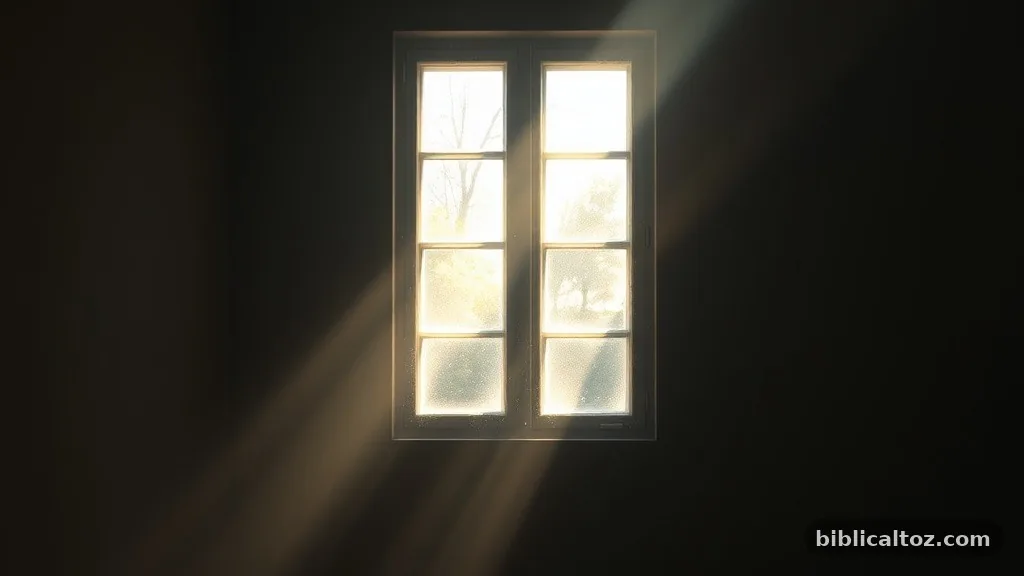
The light of Christ is also synonymous with the disclosure of truth. Just as physical illumination reveals the contents of a room, spiritual light exposes the condition of the human heart. This is not intended to condemn, but rather to reveal the need for grace. The NIV and other modern versions often highlight this aspect, emphasizing that light is the necessary prerequisite for genuine transformation.
Light as a Metaphor for Holiness
Throughout the psalms and prophetic books, light is inextricably linked to the character of God. The psalmist writes that God’s word is a “lamp to my feet,” suggesting that light provides the practical direction needed for daily life. This imagery implies that without divine input, the individual is left to stumble in the dark, unable to see the path ahead.
The Radiance of the Divine

The Bible often uses the concept of “unapproachable light” to describe the majesty and holiness of the Almighty. This serves as a reminder of the vast distance between the finite human experience and the infinite nature of the Creator. It highlights that while light is accessible and guiding, it also commands reverence and awe.
Reflecting the Light
Believers are frequently called to be “children of light,” an instruction to reflect the qualities of the Divine in their own lives. This implies a responsibility to act as sources of truth and clarity in a world often described as darkened by confusion. By living in accordance with biblical principles, the individual becomes a conduit through which others might see the reality of God.
Overcoming the Darkness
A central question often arises regarding the nature of the struggle between light and darkness. The Bible consistently posits that light is not merely an equal opponent to darkness, but an inherently superior force. Light does not need to “fight” darkness; it simply exists, and in its presence, darkness is naturally dispelled.
This perspective offers hope, suggesting that the influence of the Divine is ultimately triumphant. Whether one is reading the NASB, ESV, or other scholarly versions, the message remains consistent: the light delivered by God is a permanent fixture that remains even when circumstances seem dim. It is a source of stability, providing the clarity required to endure difficult times and maintain a sense of purpose.