How Christians Cope With Terminal Illness: Faith and Peace
Facing a diagnosis that limits the length of one‘s remaining time on earth brings profound emotional and spiritual challenges. When learning how Christians cope with terminal illness, the focus shifts from finding a cure to finding a firm foundation in the promises of God.
Scripture offers a perspective that reframes the end of life not as a final defeat, but as a transition into the presence of the Savior. By leaning on prayer, community, and the assurance of eternal life, individuals can find a sense of peace that surpasses human understanding during their most difficult weeks and months.
The Biblical Perspective on Suffering and Life
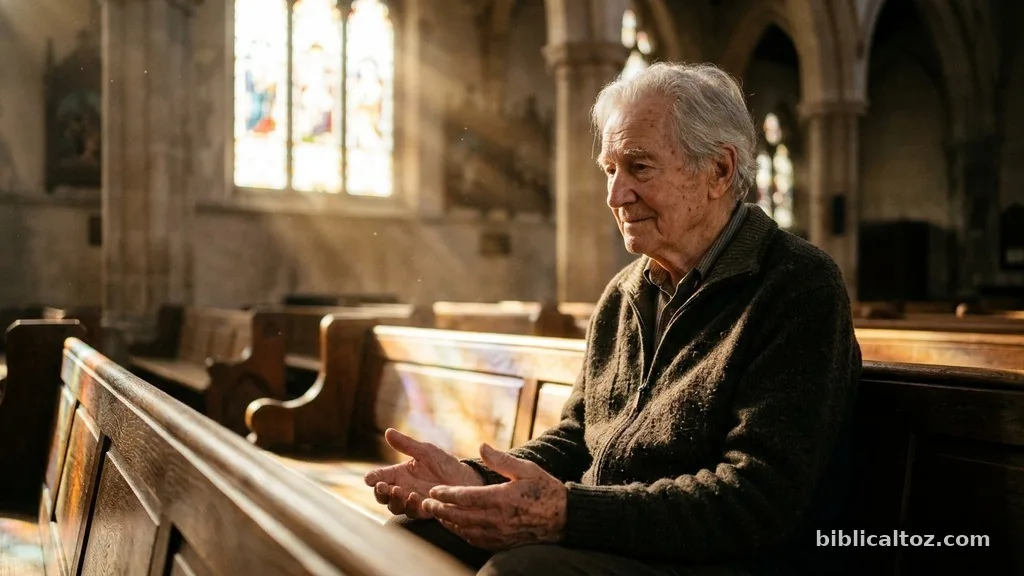
The Bible does not promise that believers are exempt from physical decay or the reality of death. Instead, it provides a framework for understanding that our current bodies are temporary.
In the second letter to the Corinthians, the Apostle Paul describes the earthly body as a tent—a temporary dwelling that will eventually be taken down. This imagery helps shift the perspective from the current height of physical struggle to the eternal weight of glory that follows.
Christianity teaches that the experience of death is a reality of a fallen world, yet it is not the final word for those who follow Jesus. The hope of the resurrection means that physical limitations are not the end of a person’s story. While it is natural to ask why these things happen, many find comfort in knowing that God is present in the middle of the pain, walking through the valley of the shadow of death alongside His children.
Practical Steps for Spiritual and Emotional Support
When you or a loved one are processing a terminal diagnosis, practical steps can help manage the weight of the situation. It is important to remember that you don‘t have to carry the burden alone. The body of Christ, represented by the local church and family, is designed to provide help during times of crisis.
- Prioritize daily prayer to express fears, doubts, and requests for strength to God.
- Engage with a supportive faith community that can offer visits, prayer, and tangible assistance.
- Focus on reading the Psalms, which offer honest expressions of lament and trust in God’s character.
- Limit time spent on overwhelming information and focus on spending quality moments with family.
- Seek guidance from a hospital chaplain or a pastor who can provide specific spiritual resources.
Comparing Approaches to End-of-Life Care
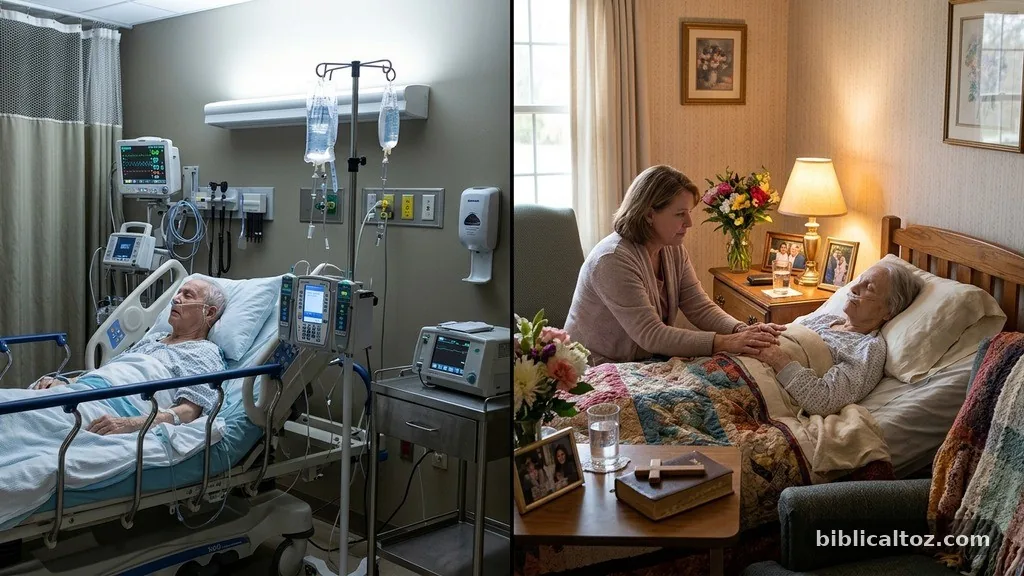
Different traditions and personal convictions influence how individuals approach their final days. While medical intervention is a gift, some choose to focus heavily on palliative care to maximize comfort and clarity, while others may choose to pursue experimental treatments until the very end. The following table highlights common considerations.
| Focus Area | Palliative Care Approach | Aggressive Treatment Approach |
|---|---|---|
| Primary Goal | Quality of life and pain relief | Extending life duration |
| Spiritual Emphasis | Reflection and preparation | Fighting for more time |
| Family Interaction | Deepening relationships | Coordinating medical logistics |
Addressing the Question of Why
A common question that arises is why a loving God allows suffering. The Bible does not provide a simple, one-sentence answer that satisfies every human curiosity.
However, it consistently points to the fact that God is sovereign even when life feels chaotic. Job, in the Old Testament, lost everything, yet he eventually came to see that his understanding of the world was limited compared to the wisdom of the Creator.
Rather than trying to solve the riddle of suffering, many Christians find it more helpful to focus on the character of God. Knowing that He is compassionate, just, and present provides a solid place to stand. Trusting in His goodness, even when life doesn’t make sense, is often the most profound act of faith a believer can perform.
Frequently Asked Questions
What does the Bible say about terminal illness?
While the Bible does not explicitly use the term terminal illness, it speaks extensively about the fragility of life and the assurance of eternity. Scriptures like Psalm 23 and John 11 remind believers that God is with them in death and that Jesus is the resurrection and the life.
How can I help a family member who is dying?
Presence is often more valuable than words. You can help by listening to their concerns without feeling the need to fix everything, praying with them, and ensuring their physical comfort. Practical help with household tasks also allows them to focus their limited energy on what matters most.
Is it wrong to ask God for healing?
It is not wrong to ask for healing. Jesus Himself prayed for the cup of suffering to be taken from Him in the Garden of Gethsemane, yet He concluded by saying, “Not my will, but yours be done.” Bringing your desires to God is a sign of a trusting relationship.
How do I deal with the fear of dying?
Fear is a natural human response to the unknown. The antidote in the Christian life is the promise that death has been defeated. Focusing on verses that describe the hope of heaven can help replace fear with anticipation of being reunited with the Lord.
Finding Peace in the Final Season
Learning how Christians cope with terminal illness involves a transition from self-reliance to total dependence on the grace of God. It is a time to release the anxieties of this life and embrace the promise of the next. By staying connected to the Word, remaining in fellowship with other believers, and maintaining an honest conversation with the Lord, you can navigate these days with dignity and peace.
Remember that your value is not defined by your health or your productivity, but by your identity as a child of God. We encourage you to continue seeking comfort in the Scriptures and reaching out to your local church family for the support you need during this season. There are many resources available to help you walk this path, and you are never walking it alone.