The Parable of the Ten Virgins: Meaning and Significance
The parable of the ten virgins stands as one of the most sobering teachings delivered by Jesus regarding the necessity of spiritual alertness. Found in Matthew 25, this narrative uses the imagery of a first-century wedding procession to illustrate the transition between the present age and the return of the Messiah.
By examining the actions of the wise and the foolish, you can gain a clearer understanding of what it means to be truly prepared for the kingdom of God. This account challenges every believer to evaluate the nature of their own faith and the sincerity of their devotion as they wait for the bridegroom to arrive.
The Cultural Context of the Wedding Procession
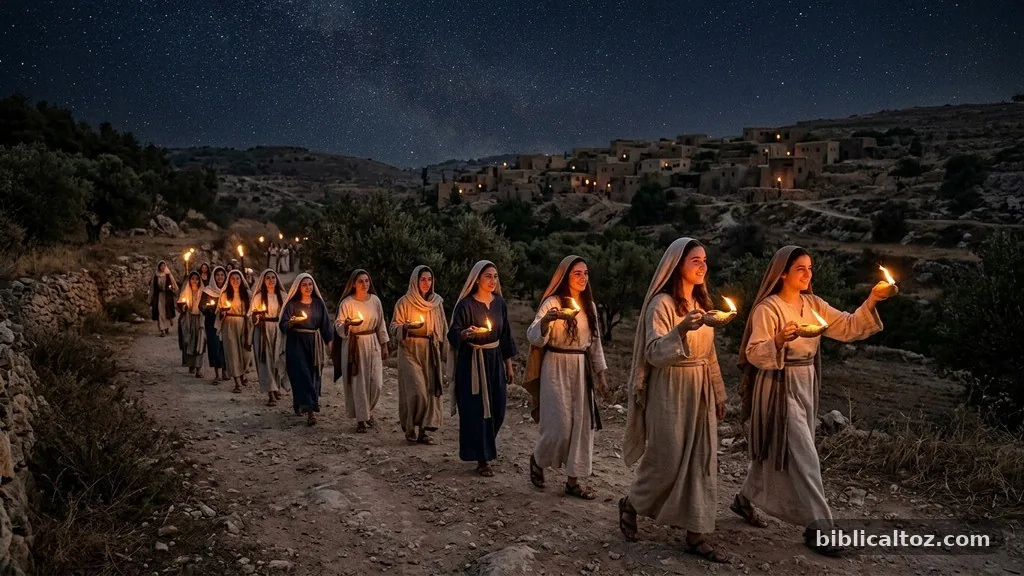
To grasp the weight of this teaching, you must look at the marriage customs of the time. In ancient Jewish culture, a wedding was a multi-stage event involving a betrothal period followed by the groom coming to the bride’s home to escort her back to his house for the feast. The bridesmaids, or companions, were tasked with waiting for the bridegroom’s arrival, often at night, to light his way with lamps.
This process required patience and foresight. If the groom was delayed, those waiting had to ensure they had enough fuel to keep their lamps burning until he appeared. The failure to have enough oil was not merely a minor oversight; it was a failure to fulfill the specific duty assigned to them during the most critical moment of the celebration.
Analyzing the Wise and the Foolish
The story divides the ten women into two distinct groups based on their preparation. Five were considered wise because they took extra oil in jars alongside their lamps, while the other five were foolish because they neglected to bring any reserve supply.
The Role of the Oil
The oil represents the internal state of the believer. While the lamps were visible to everyone, the supply of oil was a private matter of preparation.
Many theologians suggest that the oil symbolizes the Holy Spirit or a genuine, lived-out faith that sustains a person through the long waiting period. Without this internal reserve, the outward appearance of being a follower of the Lord becomes hollow when the pressure of time increases.
The Delay of the Bridegroom
A crucial detail in the narrative is the delay of the bridegroom. Because he tarried, all the women fell asleep. The difference between the two groups was not that the wise stayed awake while the others slept; rather, the difference was found in the readiness of their equipment when they were finally awakened by the shout that the bridegroom had come.
| Feature | Wise Virgins | Foolish Virgins |
|---|---|---|
| Primary Equipment | Lamp and Oil | Lamp |
| Reserve Supply | Brought extra oil | Brought no extra oil |
| Reaction to Call | Ready immediately | Scrambled for resources |
| Final Outcome | Entered the feast | Locked out of the feast |
Common Misconceptions
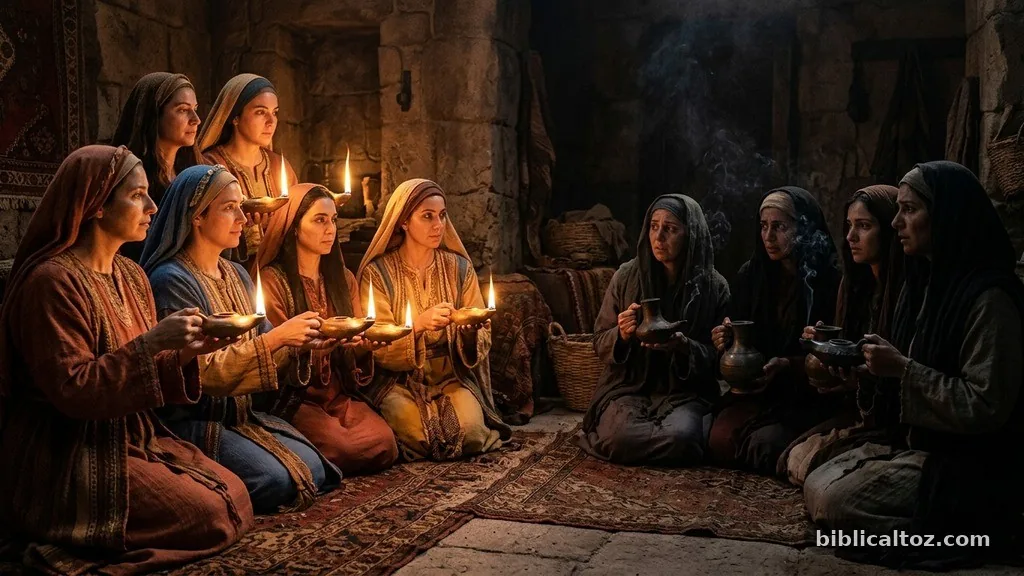
It is easy to misread this story if you focus too heavily on the peripheral details. One common error is assuming the “oil” can be borrowed or shared. When the foolish virgins asked the wise for their supply, the refusal was not an act of selfishness but a recognition of a spiritual reality: character and faith are personal responsibilities that cannot be transferred from one person to another.
Another misconception is that the story teaches salvation by works. Instead, the parable of the ten virgins emphasizes the fruit of a transformed life. The lack of oil signifies a lack of genuine connection to the Lord, which becomes evident only when the opportunity for preparation has passed.
Practical Application for Today
Living in a state of readiness does not mean living in constant fear or anxiety. It means cultivating a life that is consistently aligned with the teachings of Jesus. You can apply these principles through several daily practices:
- Prioritize your private devotional life over public displays of faith.
- Ensure your moral character matches your profession of belief.
- Remain vigilant by staying grounded in Scripture.
- Evaluate your priorities to ensure you are not distracted by the temporary concerns of this world.
Frequently Asked Questions
Who do the ten virgins represent in the church?
The virgins represent those who profess to be followers of God and are waiting for the return of Christ. The distinction between wise and foolish suggests that within the visible community of believers, there are those who possess a saving, sustained faith and those who do not.
Why couldn’t the wise virgins share their oil?
In a spiritual sense, the oil represents a personal relationship with the Holy Spirit and the inward reality of faith. These are qualities that must be cultivated individually; they cannot be passed to another person at the last minute.
Is the bridegroom in the story Jesus?
Yes, the bridegroom is widely understood to represent Jesus, and the wedding feast represents the final gathering of the faithful into the kingdom of God upon his return.
What does it mean that they all fell asleep?
The fact that all ten fell asleep indicates that the delay of the Lord’s return is long and unpredictable. It serves as a reminder that even the most faithful can grow weary, but their preparation remains the deciding factor.
Why were the foolish virgins shut out?
They were shut out because, by the time they sought to secure the necessary oil, the door had already been closed. This illustrates that there is a finality to the opportunity for salvation and preparation.
Does this parable teach that we can lose our salvation?
The parable focuses on the difference between those who truly know the Lord and those who have the outward appearance of faith without the internal reality. It serves as a call to examine the authenticity of one’s own commitment.
What is the most important lesson from this story?
The central lesson is the necessity of being ready at all times. Because the timing of the Lord’s return is unknown, waiting must be accompanied by active, personal spiritual maintenance.
How can I be like the wise virgins?
You become like the wise by investing in your relationship with God today. This involves consistent prayer, study of the Word, and living in obedience to His commands, rather than waiting for a crisis to seek Him.
Reflecting on Readiness
The parable of the ten virgins serves as a timeless invitation to examine the state of your own heart. It is not enough to simply carry a lamp; you must ensure that your life is fueled by a deep, enduring faith that will sustain you regardless of how long you are required to wait. By focusing on your personal walk with the Lord and remaining sensitive to the leading of the Holy Spirit, you can live with the confidence that you are prepared for whatever the future holds.
May this reflection encourage you to keep your focus on the bridegroom and ensure that your life remains a consistent testimony to your devotion. Take a moment today to consider what areas of your spiritual life need more attention, and commit to deepening your walk with God.