How Many Books Are in the Bible: Traditions and Canons?
Determining the precise number of books in the Bible depends entirely on the tradition you consult. While many people grow up learning that the text is comprised of a fixed collection, different Christian denominations recognize varying canons.
Understanding how many books are in the Bible requires a look at the historical development of these scriptures and the traditions that have shaped them over centuries. Whether you are curious about the Protestant, Catholic, or Orthodox perspective, exploring these differences provides deeper insight into the diverse ways various groups preserve their sacred history and faith.
How Many Books Are in the Protestant Bible?
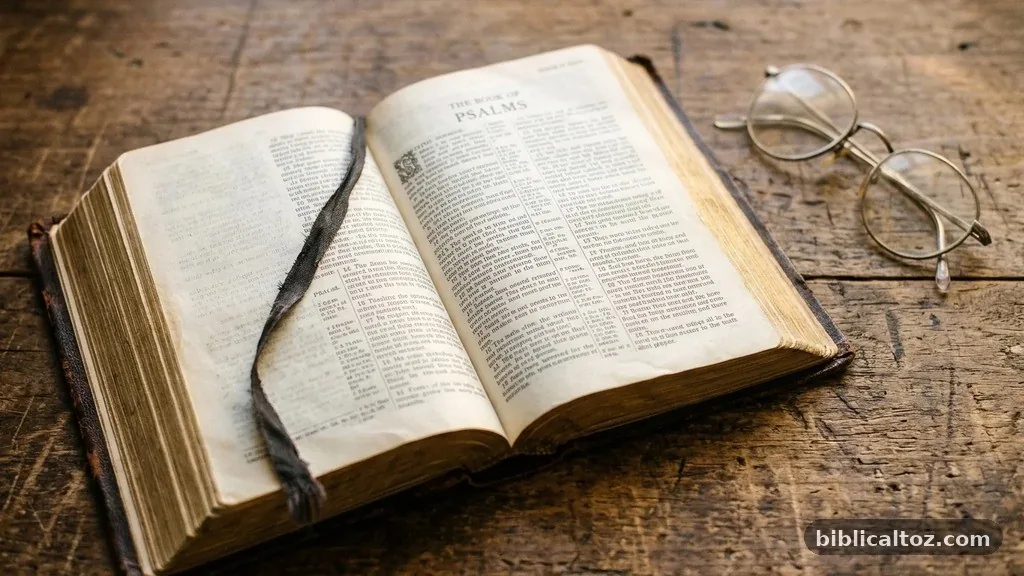
The most common count in many English-speaking regions is 66. This collection is divided into two distinct sections: the Old Testament and the New Testament. Most Protestant denominations follow this structure, which was solidified during the Reformation as a way to return to what leaders considered the original Hebrew canon.
How Many Books Are in the Old Testament?
The Protestant Old Testament consists of 39 books. These texts cover the history of Israel, the law given through Moses, the wisdom of Solomon, and the messages of the prophets. These books are generally categorized by their literary style:
- The Pentateuch (Law)
- Historical Books
- Poetry and Wisdom Literature
- Major and Minor Prophets
How Many Books Are in the New Testament?
Across almost all major Christian traditions, there is a consensus regarding the New Testament. It contains 27 books, which focus on the life of Jesus, the early church, and the letters written by Paul and other apostles. This section remains consistent regardless of the differences found in the Old Testament canon.
Why Do Catholic Bibles Have 73 Books?
The Catholic canon includes 73 books, which is seven more than the standard Protestant version. These additional texts are known as the deuterocanonical books. The Catholic Church officially recognized these works as canonical during the Council of Trent, viewing them as essential parts of the scripture that were used by the early church.
How Many Books Are in Orthodox Bibles?
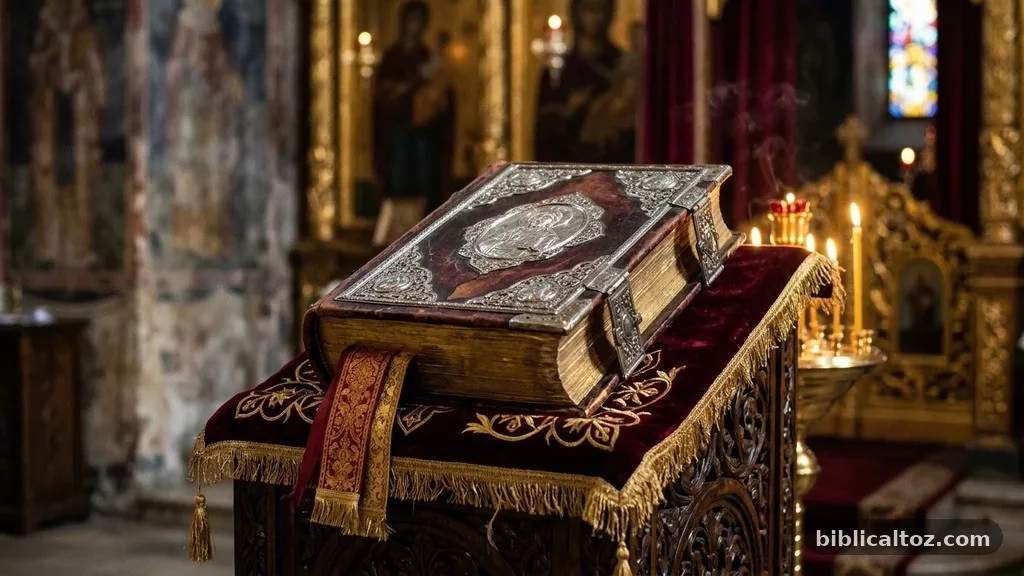
Orthodox traditions often include an even broader range of texts. Depending on the specific branch—such as the Greek Orthodox or Ethiopian Orthodox Church—the number of books can exceed 73. These traditions maintain ancient manuscripts that include additional historical and devotional writings that other Western denominations do not recognize as part of their formal canon.
What Are the Deuterocanonical or Apocryphal Books?
These terms refer to the books found in Catholic and Orthodox Bibles that are excluded from the Protestant Old Testament. Examples include Tobit, Judith, 1 and 2 Maccabees, Wisdom, Sirach, and Baruch. While these writings are often categorized as Apocrypha by those who do not accept them as inspired scripture, they remain highly valued for their historical and cultural context.
Why Do Christian Traditions Have Different Canons?
The development of the biblical canon was a long process involving councils, regional church practices, and theological debates. Different groups placed varying levels of authority on the Greek Septuagint versus the Hebrew Masoretic Text. The following table illustrates the common distribution of books across these major traditions:
| Tradition | Old Testament | New Testament | Total Books |
|---|---|---|---|
| Protestant | 39 | 27 | 66 |
| Catholic | 46 | 27 | 73 |
| Eastern Orthodox | 49+ | 27 | 76+ |
How Are the Books of the Bible Organized?
While the number of books varies, the internal organization usually follows a logical flow. Most editions begin with the creation of the world and the formation of Israel.
As the reader moves into the New Testament, the focus shifts to the life of Jesus, followed by the spread of his message through the letters of the apostles. It is important to distinguish between the number of books and the division of chapters and verses, which were added much later to help readers find specific passages more easily.
Common Questions About the Bible
Are there 73 or 66 books in the Bible?
Both counts are correct depending on the tradition. Catholic Bibles contain 73 books, while Protestant Bibles contain 66.
Does the number of chapters and verses change?
Yes, the chapter and verse divisions can vary slightly between different translations and traditions, even if the core text remains the same.
Why are some books excluded from certain Bibles?
Exclusion usually stems from historical decisions regarding which texts were considered “inspired” by God and which were viewed as helpful historical or devotional literature but not part of the primary canon.
Is the New Testament the same in every Bible?
Yes, the 27 books of the New Testament are universally accepted across almost all major Christian denominations.
Conclusion
Recognizing how many books are in the Bible requires an appreciation for the long history of the faith and the different ways traditions have preserved these ancient writings. While the number of volumes might differ based on whether you are reading a Protestant, Catholic, or Orthodox edition, the core narrative regarding the life of Jesus and the history of God’s interaction with people remains the central focus.
If you are just starting your study, selecting a reliable translation is often more important than the specific canon you choose. You might consider comparing a few different versions to see how the phrasing of key passages changes. Engaging with these texts, regardless of the total book count, allows you to connect with the rich heritage found in the scriptures.