El Elyon Meaning: God Most High Explained
The Hebrew designation for the Creator often carries layers of profound significance that influence how we perceive His nature and authority. When examining the El Elyon meaning, we discover a title that highlights God’s absolute supremacy over all created things.
This term appears during pivotal moments in the biblical narrative, serving as a reminder that the Lord reigns above every earthly power and spiritual entity. By looking at the linguistic roots and the historical context of this name, we gain a clearer perspective on the majesty of the Almighty and why this specific title remains vital for our understanding of His sovereign character.
Core Word Study: Defining El Elyon
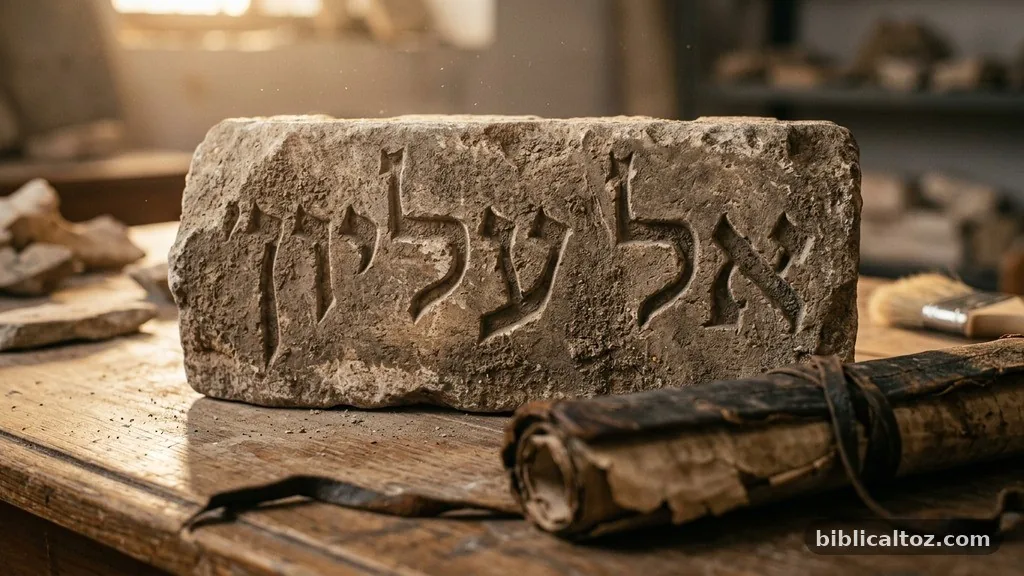
The Hebrew expression אֵל עֶלְיוֹן is transliterated as El Elyon. To understand its depth, we must break down the two components that form this powerful title.
The first word, El, is a common Semitic term for deity, often used in the Bible to denote strength, power, and the divine nature. It is a foundational term that points to God as the strongest of the strong.
The second word, Elyon, is derived from the root alah, which means to go up or ascend. In a theological sense, it identifies the one who is the highest, the supreme, or the most exalted. When combined, the El Elyon meaning conveys the concept of the God Most High.
This is not merely a descriptive adjective; it is a declaration of rank and position. He is the One who sits above all, ruling over the heavens and the earth with unmatched authority.
Biblical Context: The Encounter in Genesis
The first recorded usage of this title occurs in Genesis 14:17–24, during a dramatic meeting between Abram and Melchizedek. After Abram successfully recovers his nephew Lot and the spoils of war, he is met by the king of Salem, who is also described as a priest of the Most High God. This encounter provides a crucial framework for interpreting the title.
Melchizedek blesses Abram in the name of the Most High God, explicitly identifying Him as the Possessor of heaven and earth. This context is essential because it establishes that El Elyon is the rightful owner and ruler of everything in existence. Abram’s response confirms his recognition of this truth, as he refuses to keep any spoils for himself, acknowledging that his victory belongs to the Lord alone.
| Feature | Description |
|---|---|
| Hebrew Origin | El (Strength) + Elyon (Highest) |
| Primary Meaning | God Most High |
| First Occurrence | Genesis 14:18 |
| Key Attribute | Sovereign over heaven and earth |
Theological Analysis: Sovereignty and Divine Titles
It is vital to distinguish between a personal name and a descriptive title. While Yahweh represents the personal, covenantal name of God, El Elyon functions as a title that emphasizes His functional role as the Supreme Ruler. This does not imply that He is a different deity; rather, it highlights a specific facet of His character that needs to be brought to the forefront during certain circumstances.
When the Bible uses different names for God, it often draws our attention to a specific aspect of His relationship with humanity. Elohim emphasizes His creative power, while Yahweh highlights His intimacy and faithfulness. El Elyon serves as a bridge, grounding our understanding of His sovereignty in the reality of His absolute distance from and control over all earthly affairs.
- It establishes God as the final authority over all human kings and nations.
- It reminds the believer that no earthly obstacle is higher than the Creator.
- It emphasizes the transcendence of God, who exists beyond the limits of time and space.
- It acknowledges that every blessing and victory originates from the Most High.
Scriptural Scope: Appearances in Psalms and Beyond

The psalmist often employs the title of the Most High to express comfort and confidence during times of trouble. In the Psalms, we see this name used frequently to contrast the frailty of humanity with the eternal stability of the Lord. For example, Psalm 91 presents the Most High as a place of refuge for those who dwell in His shadow.
Beyond the poetic literature, the title appears in prophetic passages that look toward the ultimate victory of God over all cosmic rebellion. These references affirm that even when the world seems chaotic or dominated by evil, the throne of the Most High remains unshaken. It is a recurring theme that encourages the faithful to look upward, knowing their help comes from the One who holds the universe together.
Practical Application: Living Under the Most High
What does it mean to live as a follower of El Elyon today? Practically, it requires a shift in perspective. If God is truly the Most High, then the problems that seem insurmountable to us are subject to His command.
This realization provides a profound sense of security. It means that no matter how powerful a situation or an entity may appear, it cannot override the will of the One who possesses heaven and earth.
Applying this truth involves surrendering our desire for control. When we acknowledge Him as the Most High, we are essentially saying that His plan takes precedence over our own ambitions. It is an act of trust that allows us to walk through life with the assurance that we are cared for by the supreme authority of the cosmos.
Clarifications Regarding Usage
While the title carries significant weight, it is important to avoid the mistake of assuming every mention of the word high is a direct reference to this specific title. The Hebrew word elyon can be used in various contexts, sometimes referring to geographical heights or even human rulers. Proper interpretation requires careful attention to the surrounding text.
Furthermore, we should not treat this title as a standalone doctrine. It is part of a larger, unified revelation of God’s character.
We find the fullest expression of God’s nature not in a single title, but in the totality of Scripture. By keeping our focus on the broader narrative, we ensure that our understanding of His sovereignty remains balanced and biblically accurate.
Frequently Asked Questions
What is the difference between Elohim and Elyon?
Elohim is the general name for God as the Creator and Judge, appearing in the very first verse of the Bible. Elyon is a title that specifically denotes His exalted position and supreme authority over all other powers.
Why is God called El Elyon?
He is called by this name to emphasize His status as the highest authority in the universe. It serves to remind both believers and the world that His dominion extends over every aspect of heaven and earth.
Are El Elyon and Yahweh the same God?
Yes, they refer to the same God. Yahweh is His personal, covenantal name, while El Elyon is a descriptive title that highlights His sovereignty. The Bible uses various names to reveal different aspects of His singular divine nature.
What is the difference between El Elyon and El Shaddai?
El Shaddai is often translated as God Almighty, emphasizing His power to sustain and provide for His people. El Elyon focuses on His position of supreme height and authority over all creation.
Conclusion
The El Elyon meaning provides a window into the majesty of the Creator. By recognizing Him as the Most High, we align our hearts with the truth of His absolute sovereignty over every circumstance we face. This title invites us to rest in the shadow of the Almighty, knowing that He is the true Possessor of all things.
As you continue your study of the Scriptures, let the reality of His height and power shape your prayers and your daily walk. We encourage you to explore more biblical insights and deepen your journey through the Word on BiblicalToZ.com.