Hosea in the Bible: Meaning, Life & Legacy
When you look for the story of Hosea in the Bible, you encounter one of the most vivid and challenging narratives in the Old Testament. This prophet was tasked with a deeply personal assignment that mirrored the spiritual condition of his nation. By marrying a woman who would prove unfaithful, Hosea lived out a painful metaphor for the relationship between the Lord and His people.
His life remains a profound study of grace, justice, and the relentless pursuit of a wayward heart. Understanding his message helps us grasp the depth of the divine covenant and the persistent call to return to truth.
The Historical Context of Hosea’s Ministry
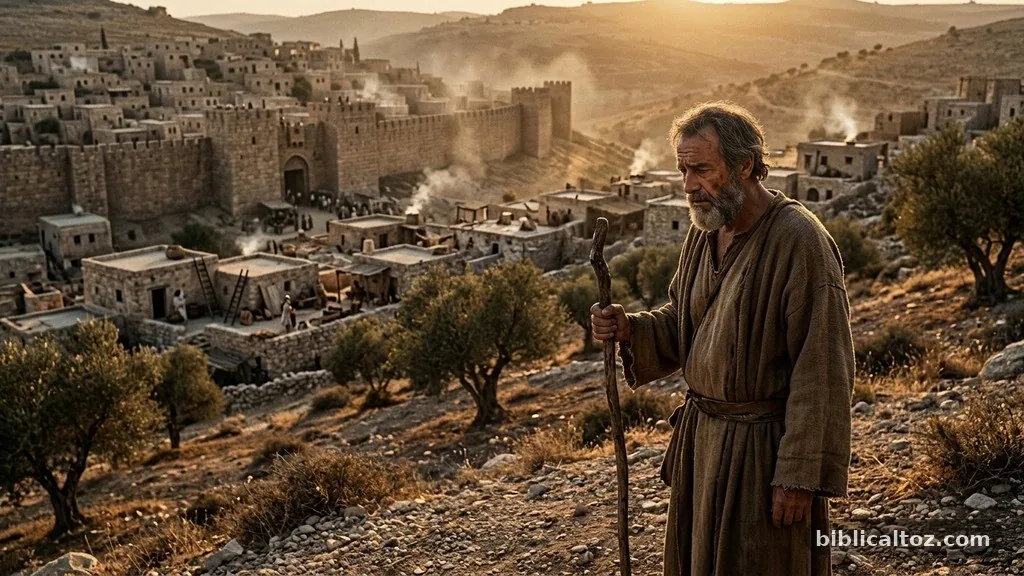
Hosea exercised his prophetic office during a time of significant political and social upheaval. He ministered primarily in the Northern Kingdom of Israel.
The book of Hosea identifies his ministry as occurring during the reign of King Jeroboam II and continuing through the reigns of several successors. This period was marked by outward prosperity but internal moral and spiritual decay.
Israel had largely abandoned the worship of the Lord in favor of idol worship. They sought security in military alliances with surrounding nations rather than relying on their Creator.
Because of this, the message Hosea delivered was one of urgent repentance. He served as a bridge to communicate God‘s heart to a nation that had strayed far from its spiritual roots.
The Symbolic Marriage to Gomer
The most striking aspect of the narrative is the command Hosea received to marry Gomer, the daughter of Diblaim. This was not merely a personal domestic matter; it was a prophetic act.
Gomer’s unfaithfulness served as a living illustration of how Israel had treated the covenant. Just as Gomer pursued other lovers, the people of Israel pursued other gods.
The Children of the Prophet
Hosea and Gomer had three children, each given a name that functioned as a divine sign to the people. These names were not chosen by chance but were deliberate warnings:
* Jezreel: Signifying that the Lord would punish the house of Jehu for the bloodshed in the valley.
* Lo-ruhamah: Meaning “not pitied,” indicating that God would no longer show mercy to the house of Israel.
* Lo-ammi: Meaning “not my people,” declaring that the covenant bond had been severely strained by their rebellion.
Key Themes in the Book of Hosea

The message of the prophet centers on the tension between divine judgment and unfailing love. While the text is heavy with warnings about the consequences of sin, it is equally filled with promises of restoration.
| Theme | Biblical Focus |
|---|---|
| Idolatry | Abandoning the Creator for man-made images. |
| Covenant | The broken marriage bond between God and Israel. |
| Repentance | The call to return to the path of righteousness. |
| Redemption | The promise of restoration despite human failure. |
Comparing Prophets of the Era
It is helpful to see how Hosea fits into the broader landscape of the Old Testament. His ministry overlapped with other major prophetic voices, yet his approach was uniquely intimate.
- Amos: Focused heavily on social justice and the oppression of the poor.
- Isaiah: Addressed the Southern Kingdom of Judah with a focus on holiness and the coming Messiah.
- Hosea: Emphasized the emotional and relational aspect of God’s love for His people.
Frequently Asked Questions
What is the primary message of the book of Hosea?
The primary message is the unwavering love of the Lord for His people, even when they are unfaithful. It uses the metaphor of marriage to show that God is willing to pursue, redeem, and restore those who have turned their backs on Him.
Are Joshua and Hosea the same person?
No, they are distinct figures. Joshua was the successor to Moses who led Israel into the Promised Land. Hosea was a prophet who lived centuries later during the decline of the Northern Kingdom. While the name Hosea is the original Hebrew form of the name Joshua, they refer to entirely different historical individuals.
Why did God command Hosea to marry a harlot?
The command was intended to serve as an object lesson. By experiencing the heartbreak of an unfaithful spouse, Hosea was able to feel a fraction of the pain that the Lord experienced due to Israel’s spiritual adultery and idolatry.
What does the name Hosea mean?
The name Hosea comes from a Hebrew root meaning salvation or deliverance. It is a fitting name for a prophet whose message, despite its harsh warnings, ultimately points toward the hope of being saved and restored by the Lord.
How is the book of Hosea relevant today?
The book remains relevant because it addresses the human tendency to seek satisfaction in things other than God. It encourages readers to examine their own hearts for “idols” and reminds them that grace is always available to those who return to the truth.
Does the book of Hosea contain hope for the future?
Yes, the final chapters shift from judgment to a powerful promise of healing. The book concludes with the assurance that the Lord will love His people freely and heal their backsliding, offering a message of hope that extends well beyond the original historical audience.
Reflecting on the Prophet’s Legacy
The life and ministry of Hosea in the Bible offer a challenging yet comforting perspective on the nature of divine commitment. Through his personal sacrifice and his bold proclamation, he demonstrated that the connection between the Creator and His creation is not easily broken, even by human rebellion.
By studying this prophet, we are reminded to prioritize our own faithfulness and to recognize the depth of the grace we have received. As you continue to explore the scriptures, let the story of this faithful messenger encourage you to maintain a devoted heart and trust in the promise of restoration that runs throughout the biblical narrative.