Chains symbolism in the Bible: Meaning, Symbolism & Bible Verses
When we encounter mentions of iron links or heavy restraints in the ancient text, it is easy to assume they always represent punishment. However, the spiritual significance of chains symbolism in the Bible is far more nuanced. Depending on the context, these objects can represent everything from the heavy burden of sin to the royal authority of a king.
By examining how these physical items were used to describe spiritual realities, we can better appreciate the depth of the narrative. Understanding these depictions requires us to look at the historical setting and the specific intent of the biblical author in each passage.
What Does Chains Symbolism in the Bible Mean?
In Scripture, this imagery serves as a metaphor for both human constraint and divine intervention. Primarily, the imagery relates to three distinct categories: legal or physical captivity, the burden of wickedness, and, occasionally, status or honor.
When a prophet describes someone being bound, he is often illustrating a spiritual truth about their lack of freedom or their submission to a higher power. Conversely, when gold or precious metal is used for these items, the meaning shifts entirely toward royalty and favor.
Chains Symbolism in the Bible in the Old Testament
The Old Testament frequently uses these objects to illustrate the consequences of disobedience or the reality of warfare.
Bible Reference
Jeremiah 40:4.
Biblical Context
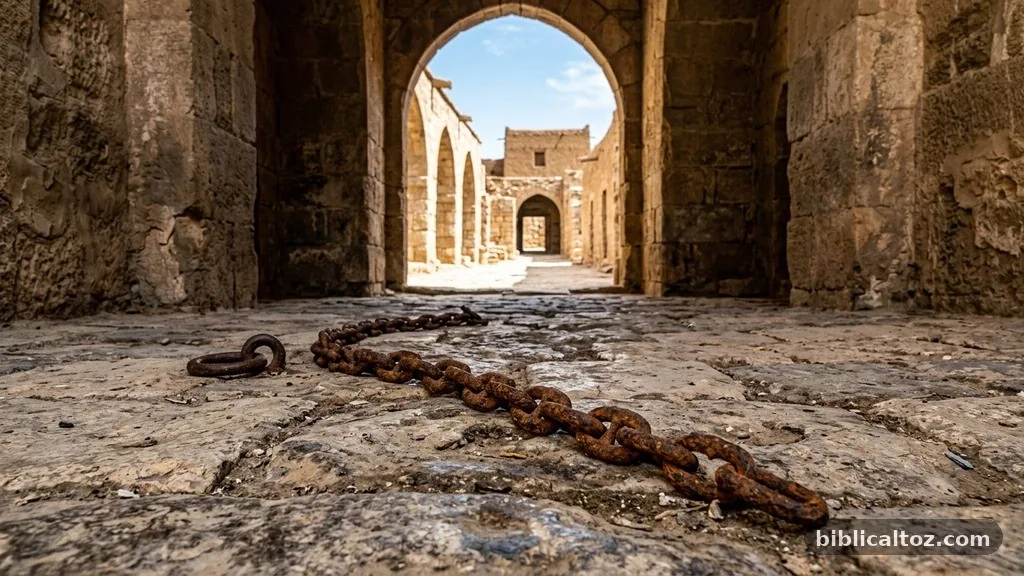
The prophet Jeremiah is released from his bonds by the captain of the guard after the fall of Jerusalem.
Meaning
The removal of these restraints serves as a physical sign of liberation and the end of judgment.
Why It Matters
It highlights that the Lord is the ultimate authority over human captivity and that He provides restoration even after periods of intense discipline.
Chains Symbolism in the Bible in the New Testament
In the New Testament, the focus shifts toward the power of the Gospel to overcome human limitations. The narrative of the Apostle Paul is perhaps the most famous example, as he frequently wrote letters while in custody. Rather than viewing his situation as a defeat, he used his experience to show that while his body was restrained, the Word of God remained free.
Major Biblical Meanings of Chains Symbolism in the Bible
The Weight of Sin
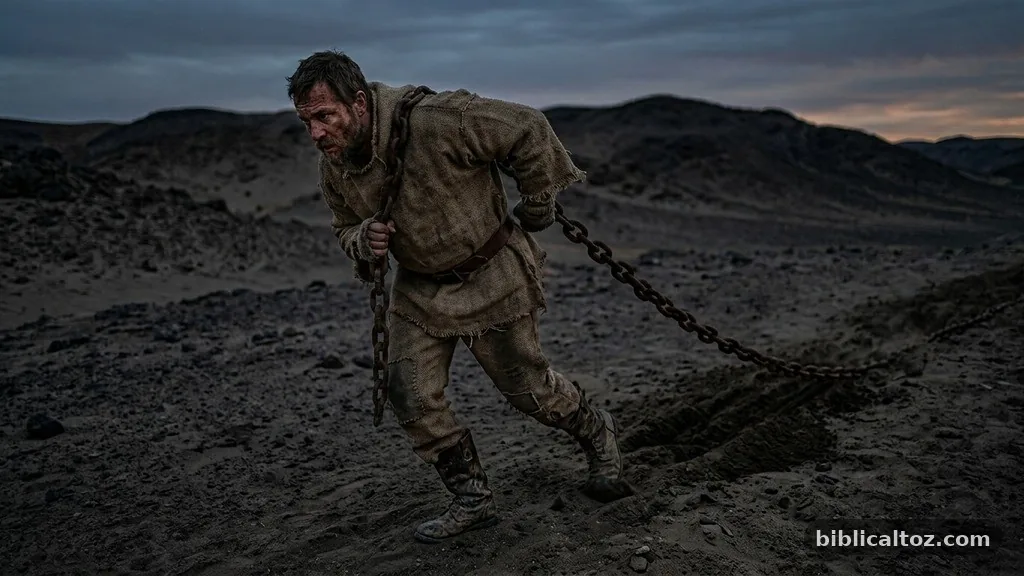
Scripture often uses the idea of being bound to describe the repetitive nature of wrongdoing. Just as physical restraints prevent movement, habitual sin traps the spirit, keeping the individual from living in the fullness of God’s grace.
Divine Authority and Power
In some contexts, the imagery is used to describe the power of angels or the restraint of demonic forces. The book of Revelation, for instance, speaks of a great chain used to restrain the influence of the enemy, signifying that God maintains control over the spiritual realm.
Signs of Status
It is important to note that not all mentions imply suffering. In the book of Judges, we see that the Midianites adorned the necks of their camels with golden ornaments. Here, the items represent wealth and pride rather than captivity.
Important Bible Passages About Chains Symbolism in the Bible
| Passage | Context | Symbolic Meaning |
|---|---|---|
| Psalm 149:8 | Victory over nations | Subjugation of enemies |
| Acts 12:7 | Peter’s miraculous escape | Divine power breaking human barriers |
| Proverbs 1:9 | Parental instruction | Honor and wisdom as an ornament |
How Chains Symbolism in the Bible Is Used Symbolically in Scripture
The Bible often contrasts physical binding with spiritual freedom. Writers use this imagery to make abstract concepts tangible.
When a person is described as being in fetters, it is a call to recognize that they are not currently masters of their own destiny. This is often a precursor to a message about repentance, where the only way to be loosed from these spiritual restraints is through turning back to the Creator.
Does Chains Symbolism in the Bible Always Have the Same Meaning?
No, the meaning is highly dependent on the historical and literary setting. Consider these points of variation:
- Material: Iron usually implies judgment or war, while gold often implies status or beauty.
- Speaker: A prophet may use the image to warn of coming captivity, while a poet might use it to describe the weight of grief.
- Outcome: If the item is broken, it signifies deliverance; if it is tightened, it signifies intensification of judgment.
Chains Symbolism in the Bible and Christian Faith Today
For the modern believer, this imagery serves as a reminder that Christ came to proclaim liberty to the captives. It encourages us to identify the areas in our lives where we might be bound—whether by anxiety, past mistakes, or worldly attachments—and bring them to the Lord. We do not need to live in fear of these symbols; rather, we see them as evidence that God is in the business of breaking what keeps us from Him.
Common Misunderstandings About Chains Symbolism in the Bible
A frequent error is assuming that every mention of these items implies a demonic presence or a curse. In reality, many references are purely historical or descriptive of ancient warfare.
Additionally, some modern teachings place too much emphasis on “breaking generational chains,” which is a concept that requires careful handling. While we certainly deal with the consequences of our history, the focus of the biblical text remains on the immediate, transformative power of faith in Christ rather than a mystical ritual of snapping invisible ties.
Related Bible Verses
- Psalm 107:14: He brought them out of darkness and the shadow of death, and broke their bonds in sunder.
- Acts 28:20: For the hope of Israel I am bound with this chain.
- Jude 1:6: And the angels who did not keep their proper domain… He has reserved in everlasting chains under darkness.
FAQs
What does the Bible mean when it says chains are broken?
It typically signifies divine intervention or a miraculous release from a situation that was previously inescapable. It is a powerful metaphor for salvation and the restoration of freedom.
Are chains always considered a negative symbol in the Bible?
No. In passages like Proverbs, the imagery of a chain around the neck is used as a metaphor for wisdom or grace, serving as an ornament of honor rather than a tool of punishment.
Where is the most famous account of someone being released from chains in the New Testament?
The account of Peter’s miraculous escape from prison in Acts 12 is the most prominent. An angel of the Lord appeared, and the restraints simply fell off his hands.
How should I interpret references to chains in the book of Revelation?
These are generally interpreted as symbolic of God’s absolute sovereignty over the spiritual realm, showing that even the most powerful malevolent forces are limited by His command.
Conclusion
Exploring the various ways this imagery appears in the ancient text helps us see the broader story of God’s redemptive work. Whether we are reading about the physical restraints of captives or the golden adornments of kings, the common thread is the recognition of authority and the need for liberation. By keeping these passages in their proper context, we avoid simplistic interpretations and instead find a deeper appreciation for the freedom found in the Gospel.
As you continue your study, look for how these stories point toward the ultimate truth that no human or spiritual barrier can withstand the power of the Lord. Engaging with these texts with an open heart is a wonderful way to grow in your understanding of the Word.