Meaning of Ashes in the Bible: Symbolism & Scripture
When you encounter the mention of ashes in the Bible, it often signals a moment of profound transformation or intense sorrow. These passages invite us to look beneath the surface of ancient customs to understand how humanity has historically approached the presence of God.
By examining these instances, you will gain a clearer picture of how physical symbols were used to express internal states of the heart, such as humility, grief, and a sincere desire for restoration. Understanding the meaning of ashes in the Bible requires us to set aside modern assumptions and lean into the historical context of the text, discovering how these ancient practices still speak to our own spiritual journeys today.
What Does the Meaning of Ashes in the Bible Signify?
At its core, the use of ashes in Scripture serves as a tangible expression of human frailty and the necessity of divine intervention. While the context varies, the primary associations include:
- Repentance: A visible sign of turning away from sin and acknowledging a need for God’s mercy.
- Mourning: An outward demonstration of deep grief, loss, or national calamity.
- Mortality: A reminder that humanity was formed from dust and will return to it, highlighting the brevity of life.
- Consecration: In specific sacrificial contexts, ashes represented the remains of a completed offering, signifying total surrender.
Meaning of Ashes in the Bible in the Old Testament
The Old Testament provides the richest landscape for observing these rituals. Here are a few pivotal examples that clarify the intent behind the practice.
Bible Reference: Esther 4:1-3
Biblical Context:
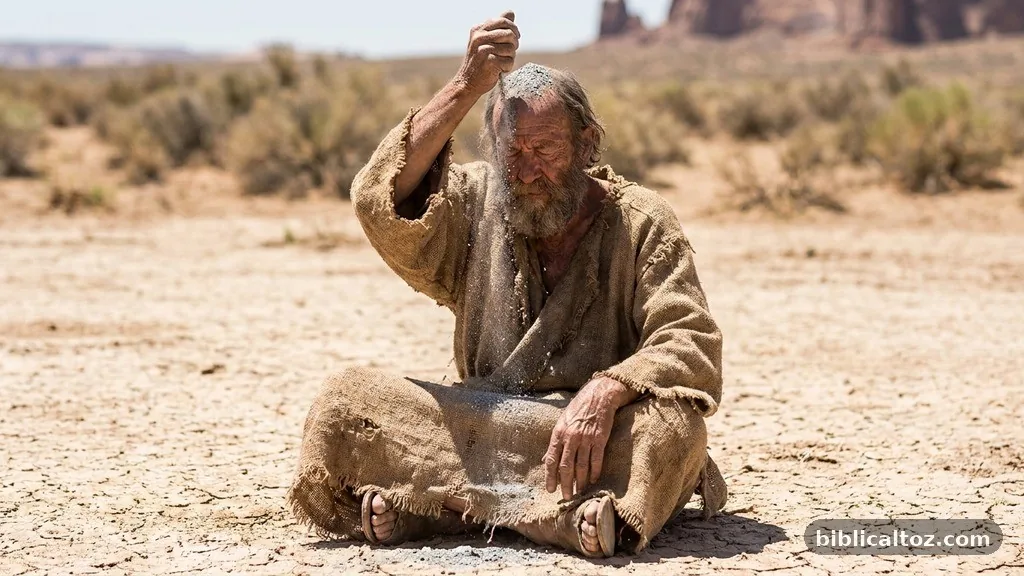
Mordecai hears of the decree to destroy the Jewish people and tears his clothes, putting on sackcloth and ashes.
Meaning:
This was a public display of intense national mourning and a plea for divine intervention.
Why It Matters:
It shows that ashes were not merely a private ritual but a communal expression of desperate reliance on God during times of existential threat.
Bible Reference: Job 42:6
Biblical Context:
After his long dialogue with the Almighty, Job declares his repentance.
Meaning:

Job acknowledges his limited perspective and humbles himself completely before the Creator.
Why It Matters:
This transition marks the shift from questioning God to fully submitting to His sovereignty and wisdom.
Meaning of Ashes in the Bible in the New Testament
In the New Testament, the physical ritual of wearing ashes is largely absent, reflecting a shift toward the condition of the heart rather than external displays. Jesus often emphasized that fasting and prayer should be done in secret, rather than to be seen by others.
While the symbolic link between dust, ashes, and human mortality remains, the focus moves toward the internal reality of repentance through faith in Jesus. The New Testament writers prioritize the “washing” of the spirit over the outward use of physical elements.
Major Biblical Meanings of Ashes
Repentance and Humility
Scripture consistently links ashes with the act of humbling oneself. By sitting in ashes, an individual was essentially saying, “I am nothing before the greatness of God.” This posture was the prerequisite for receiving grace, as God opposes the proud but gives grace to the humble.
Mortality and Human Frailty
The imagery of ashes is deeply connected to the concept of dust. In Genesis, humanity is described as being formed from the dust of the ground. Ashes represent the finality of this physical existence, serving as a sobering reminder that all worldly power and beauty are fleeting compared to the eternal nature of God.
Important Bible Passages About Ashes
| Passage | Primary Context | Key Symbolism |
|---|---|---|
| Isaiah 61:3 | The promise of restoration | Beauty instead of ashes |
| Daniel 9:3 | A prayer for the people | Intercession and fasting |
| Jonah 3:6 | The repentance of Nineveh | National turning to God |
How Ashes Are Used Symbolically in Scripture
Beyond literal application, ashes are often used metaphorically to describe the aftermath of judgment or the total destruction of pride. When a city or a person is reduced to ashes, it is a stark visual of the consequences of turning away from the right path. However, there is also the beautiful promise found in the prophets, where God offers to exchange these ashes for a crown of beauty, illustrating His desire to restore what has been broken by sin.
Does the Meaning of Ashes in the Bible Always Have the Same Meaning?
No, the meaning is highly dependent on the historical setting and the intent of the individual. In a legalistic context, wearing ashes could be a hypocritical performance, which the prophets frequently condemned.
In a genuine context, it was an honest, messy, and raw expression of a heart breaking over its own shortcomings. Always consider the surrounding narrative to determine if the act is one of true repentance, mourning, or cultural tradition.
Ashes and Christian Faith Today
For modern believers, the spiritual significance of ashes is found in the recurring need for humility. You don’t necessarily need to wear physical ashes to practice the spirit of this biblical custom. Instead, it serves as a reminder to regularly examine your heart, confess your dependence on God, and remember that your true value is found in Him, not in your own accomplishments or earthly status.
Common Misunderstandings About Ashes
One common mistake is believing that the use of ashes automatically guarantees God’s favor. Throughout the Old Testament, God warned that rituals without a changed heart are meaningless. Another misconception is that this practice is purely a somber, joyless experience; rather, it is often the very first step toward the joy of restoration and being made right with the Creator.
Related Bible Verses
- Genesis 18:27: Abraham acknowledging his status as dust and ashes.
- Matthew 11:21: Jesus mentioning cities that would have repented in sackcloth and ashes.
- 2 Samuel 13:19: Tamar placing ashes on her head as a sign of deep grief.
- Psalm 103:14: The Lord remembering our frame and that we are dust.
FAQs
What does the use of ashes symbolize in the Bible?
Ashes generally symbolize repentance, deep mourning, and the recognition of human mortality before a holy God.
Is the tradition of Ash Wednesday found in the Bible?
No, Ash Wednesday is a later church tradition. While it draws inspiration from biblical themes of repentance, the specific practice is not commanded in Scripture.
Why did people sit in ashes?
Sitting in ashes was an ancient Middle Eastern way of expressing extreme grief or humility, showing that the person felt unworthy or completely overwhelmed by sorrow.
What does beauty for ashes mean?
Found in Isaiah 61:3, it describes God’s power to take the remnants of our brokenness and transform them into something beautiful and purposeful.
Conclusion
The meaning of ashes in the Bible points us consistently back to the necessity of humility and the reality of our dependence on the Almighty. Whether it was a king mourning a national tragedy or an individual coming to terms with their own sin, the symbolism of ashes serves as a bridge between our messy, fragile lives and the grace of a loving God.
By keeping this biblical context in mind, you can approach these passages not as distant rituals, but as timeless lessons on what it means to be truly honest before your Creator. May your study of these Scriptures lead you to a deeper, more sincere walk of faith every day.