Book of Jeremiah Explained: Prophet, Judgment, New Covenant & Hope
The prophetic literature of the Old Testament offers profound insights into the nature of divine justice and mercy, and having the Book of Jeremiah explained provides a necessary lens for understanding these complex themes. Written during a time of national collapse, this text documents the ministry of a man called to speak hard truths to a rebellious people.
By examining his life and the specific historical pressures he faced, we gain a clearer picture of how God interacts with humanity amid crisis. This study invites you to explore the prophet’s difficult journey, the promise of a future restoration, and the enduring relevance of his words today.
Who Was Jeremiah?
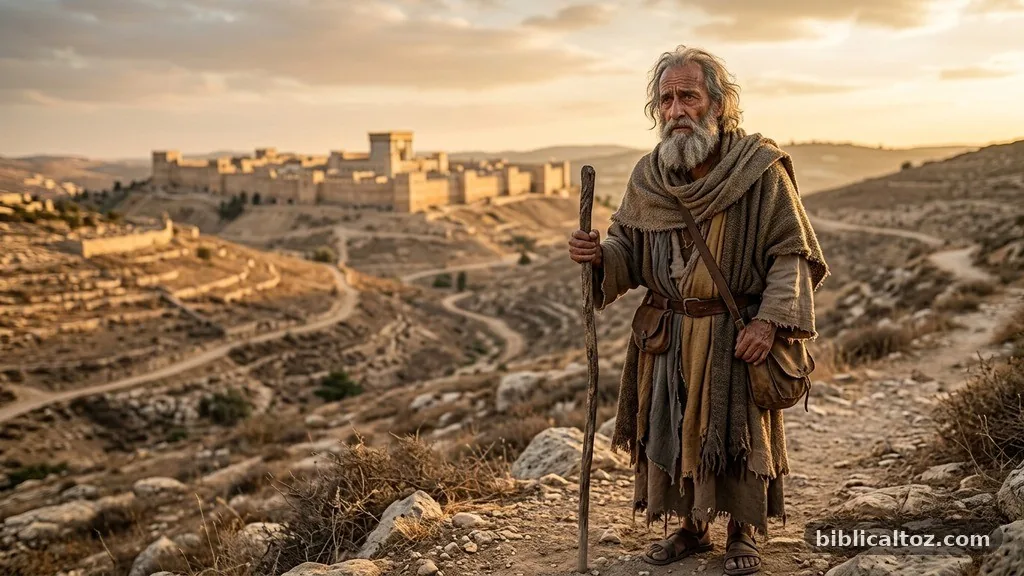
Jeremiah was a priest from Anathoth, a village located just northeast of Jerusalem. His prophetic calling, recorded in the first chapter of his book, occurred during the thirteenth year of King Josiah’s reign. Unlike many of his contemporaries, Jeremiah was set apart from his youth, receiving a divine commission to act as a witness to the nations.
His ministry was characterized by a profound sense of isolation. He was commanded not to marry or raise children, a radical departure from the cultural norms of his time, as a sign of the impending tragedy awaiting the land. Jeremiah’s life was defined by the tension between his personal desire for peace and the relentless necessity of delivering a message that his audience despised.
Why Is Jeremiah Called the Weeping Prophet?
The moniker “the weeping prophet” stems from the raw, emotional vulnerability displayed throughout the text. Jeremiah did not deliver his prophecies with clinical detachment; he felt the weight of his nation’s impending destruction in his very bones. His grief was not a sign of weakness but a reflection of his deep identification with the people he was sent to warn.
In passages often referred to as his “confessions,” we see his internal struggle. He wrestled with the Lord over his suffering, lamenting the day of his birth and questioning why he was chosen for such a thankless task. These passages demonstrate that he was a man who genuinely loved his people and mourned the horror of the judgment he was compelled to announce.
Historical Background of Jeremiah
The ministry of Jeremiah unfolded during one of the most volatile periods in the history of Judah. The geopolitical landscape was dominated by the rising power of the Neo-Babylonian Empire, which sought to displace the waning influence of Egypt and the remnants of the Assyrian state.
Judah found itself caught in the middle of these imperial struggles. The kings of Judah—such as Jehoiakim and Zedekiah—were often forced into precarious alliances that ultimately led to disaster. The religious state of the nation was equally fractured, with many leaders clinging to the false security of the temple while ignoring the moral decay within the society.
Jeremiah’s Message About Sin and Judgment
At the heart of the prophet’s message was an indictment of the people’s covenant infidelity. Jeremiah highlighted two primary sins that plagued the nation: they had forsaken the Lord, the fountain of living waters, and had hewn out for themselves broken cisterns that could hold no water.
Key Themes of the Prophetic Warning
- The failure of the leadership to uphold justice for the poor and vulnerable.
- The practice of syncretism, where the worship of local deities was blended with the worship of the Lord.
- A reliance on empty ritualism rather than genuine repentance of the heart.
- The persistent hardening of the people’s hearts against the warnings of the prophets.
Jeremiah’s Temple Sermon
Jeremiah 7 contains one of the most significant moments in his ministry. Standing at the gate of the Lord’s house, he challenged the people’s superstitious reliance on the physical presence of the temple. They believed that as long as the temple stood, God would protect them from any enemy, regardless of their moral conduct.
Jeremiah shattered this illusion by reminding them of the fate of Shiloh, a place where the tabernacle once resided before it was destroyed. He insisted that the temple was not a magical talisman but a place that required obedience and ethical integrity. By prioritizing social justice and moral purity over sacrificial rituals, he laid out the true requirements of the covenant.
Jeremiah’s Personal Struggles
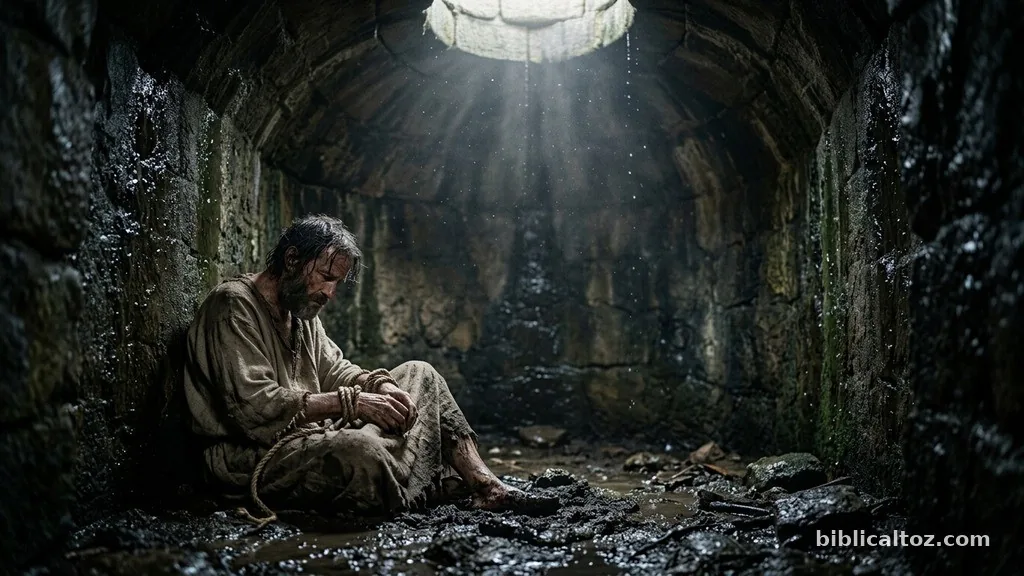
The prophet’s life was marked by persecution and physical danger. He was beaten, put in stocks, and thrown into a muddy cistern because his message was viewed as treasonous. His struggle was not just with the people but with the burden of his own prophetic office.
In Jeremiah 20, we see him at a breaking point. He describes the word of the Lord as a fire shut up in his bones, a force he could not contain even when he wanted to remain silent. These moments of despair reveal the intense pressure of being a conduit for divine truth in a society that preferred comfortable lies.
Jeremiah 29:11 in Context
Often quoted as a standalone promise of personal prosperity, Jeremiah 29:11 must be understood within its exilic setting. The letter was addressed to those already in captivity in Babylon, who were facing a long and difficult period of displacement.
The promise of “plans for welfare and not for evil” was a message of endurance and hope for a community that felt abandoned. It was a reassurance that their exile was not the end of their story and that God remained present even in a foreign land. Rather than a guarantee of individual success, it was a collective promise that God would eventually bring them back to their home after seventy years.
The New Covenant in Jeremiah 31
Jeremiah 31 represents the theological climax of the book. In the face of the nation’s failure to keep the Mosaic covenant, the prophet looks forward to a time when God will write his law upon the hearts of his people.
This New Covenant shifts the focus from external adherence to a legal code to an internal transformation of the spirit. It promised a day when every person would know the Lord intimately, not because they were taught by a neighbor, but because God had established a new, direct relationship with them.
Jeremiah’s Prophecies of Hope and Restoration
While the majority of the book deals with the pain of judgment, the latter chapters pivot toward a message of restoration. Jeremiah 32 captures this shift beautifully; even as the city was under siege, the prophet was instructed to purchase a field.
This act was a powerful symbol of his faith that God would one day restore the land to the people. It served as a tangible sign that the current destruction was not the final word. The hope he offered was rooted in the character of God, who is always committed to the redemption of his people.
Major Themes in Jeremiah
The theology of the book is complex and multifaceted. It balances the reality of human responsibility with the sovereignty of divine grace.
| Theme | Description |
|---|---|
| Covenant | The central relationship between the Lord and Israel, now broken. |
| Repentance | The necessary turning back to God, requiring a change of heart. |
| Judgment | The inevitable consequence of persistent disobedience and idolatry. |
| False Prophets | Those who spoke peace when there was no peace, leading people astray. |
| Restoration | The eventual return of the people and the renewal of their relationship with God. |
Jeremiah and the New Testament
The influence of this prophet on the New Testament is immense. The writers of the Gospels and the Epistles frequently referenced his words to explain the ministry of Jesus.
The concept of the New Covenant is directly cited in the Book of Hebrews to argue that Jesus is the mediator of a better covenant. Furthermore, the theme of the suffering prophet who is rejected by his own people serves as a precursor to the life and ministry of the Messiah.
Frequently Asked Questions
What is the main point of the book of Jeremiah?
The main point is the necessity of repentance in the face of judgment and the ultimate promise of a new, internal covenant that restores the relationship between God and his people.
Why is God portrayed as angry in this book?
The anger depicted is a reaction to the persistent injustice and idolatry of the leadership and the people, which had caused immense suffering for the vulnerable members of the society.
What were the two sins of the people?
The prophet described the two primary sins as forsaking the Lord, the source of life, and creating their own false systems of security that were incapable of providing true peace.
Was the letter of Jeremiah removed from the Bible?
The letter mentioned in chapter 29 is part of the canonical text, though some traditions include a separate document titled “The Letter of Jeremiah” in the Apocrypha, which is different from the canonical book.
How long was the predicted exile?
Jeremiah predicted that the exile in Babylon would last for seventy years before the people were allowed to return to their homeland.
Did Jeremiah ever marry?
No, the text explicitly states that the Lord commanded him to remain unmarried as a sign of the impending disaster that would take away families and children.
Why did the people reject his message?
The people rejected his message because it challenged their national pride, their religious rituals, and their reliance on military alliances rather than trust in God.
What is the significance of the potter’s house?
The imagery of the potter molding clay illustrates God’s sovereignty over the nations, showing that he can reshape or destroy based on the people’s response to his word.
Is the book of Jeremiah chronological?
The book is not strictly chronological; it is arranged in a thematic manner, often grouping prophecies by subject or audience rather than by the date they were delivered.
How does the book end?
The book concludes with a historical account of the fall of Jerusalem and the subsequent release of King Jehoiachin from prison, providing a small glimmer of hope for the exiled royal line.
Conclusion
The journey through the Book of Jeremiah reveals a trajectory from the painful reality of judgment to the profound assurance of hope. By witnessing the prophet’s struggle, we see that the path to renewal begins with the honest acknowledgment of our own failures.
Having the Book of Jeremiah explained helps us see that the call to return to God is not just a historical requirement for an ancient nation, but an invitation to a transformed heart. As we reflect on these ancient words, we are reminded that even in the midst of ruins, God is already at work building a future that is rooted in his faithfulness and his promise of a new life.