Meaning of Incense in the Bible: Symbolism and Scripture
The use of fragrant smoke in ancient worship often sparks curiosity for modern believers looking to understand the meaning of incense in the Bible. When we read about the Tabernacle or the visions in the book of Revelation, these aromatic offerings appear as central elements of divine service.
By examining the biblical context, we discover that this practice was never about the smoke itself, but about what it represented in the relationship between God and His people. Understanding these ancient patterns helps us see how our own prayers and devotion are described in the language of Scripture today.
What Does Meaning of Incense in the Bible Mean in the Bible?
In the context of the Old Testament, the primary meaning of incense in the Bible centers on the idea of a sweet-smelling offering presented to God. It symbolizes the elevation of prayer, the presence of holiness, and the mediation required to approach a righteous Creator. Far from being a mere ritual, it served as a physical reminder that human devotion, when directed toward the Lord, is pleasing to Him.
Meaning of Incense in the Bible in the Old Testament
The Old Testament provides the foundational framework for how incense was regulated and understood within the community of Israel.
Bible Reference: Exodus 30:1-9
Biblical Context
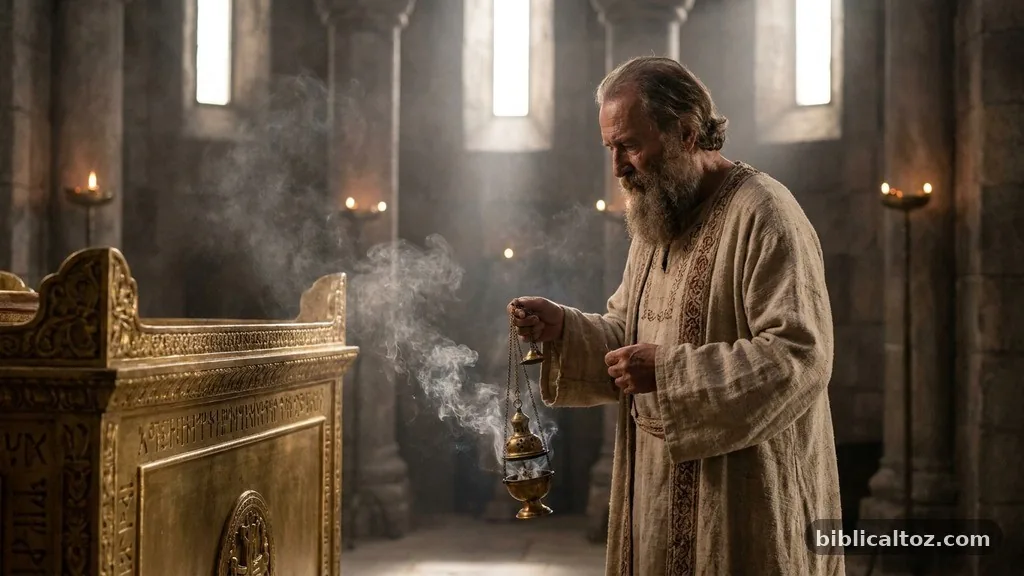
The Lord instructed Moses to build an altar specifically for burning incense. This altar was placed just before the veil that separated the Holy Place from the Most Holy Place.
Meaning
This positioning signifies that prayer and worship are the necessary precursors to entering the presence of God. The specific recipe for the incense was considered holy and reserved exclusively for the Lord.
Why It Matters
It highlights that worship is not a casual act. God established clear boundaries and requirements to teach His people about His holiness and the reverence due to Him.
Meaning of Incense in the Bible in the New Testament
In the New Testament, the literal burning of incense on a physical altar is rarely mentioned as a requirement for Christian life. Instead, the imagery is transformed into a spiritual metaphor. The writers of the New Testament shift the focus from a physical substance to the internal reality of a believer’s life.
| Concept | Old Testament Usage | New Testament Application |
|---|---|---|
| Primary Focus | Physical altar and specific ingredients | The heart and life of the believer |
| Symbolism | Sweet aroma of ritual obedience | Prayers of the saints and holy living |
| Accessibility | Limited to the priesthood | Open to all through Christ |
Major Biblical Meanings of Meaning of Incense in the Bible
Prayers Rising to God
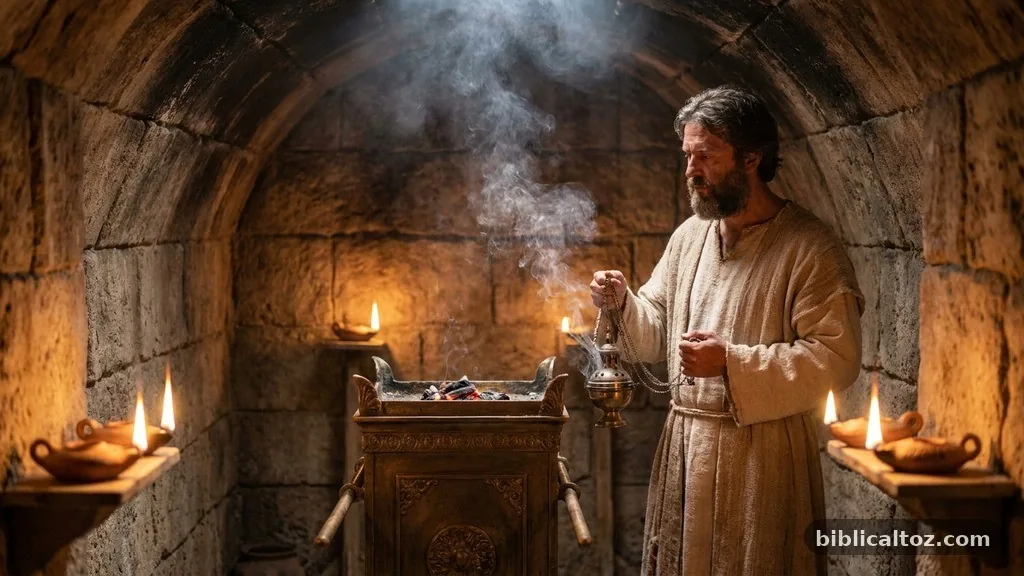
Scripture frequently links the rising smoke to the prayers of the faithful. In Psalm 141:2, the writer asks that his prayer be set forth before the Lord like incense. This poetic language illustrates that our words reach the ears of God as a fragrant offering.
The Intercession of Christ
Because the High Priest was responsible for burning incense, the act points toward the role of Jesus as our mediator. Just as the incense made the way into the holy presence possible, Christ’s intercession makes our approach to the Father acceptable.
A Pleasing Aroma
The term “sweet aroma” is often used to describe offerings that God receives with favor. This language suggests that when we live in obedience and offer our hearts to Him, our actions are pleasing to God, much like the scent of incense in the ancient sanctuary.
Important Bible Passages About Meaning of Incense in the Bible
- Exodus 30:34-38: Details the specific ingredients required for the incense, emphasizing that it was to be kept pure and distinct from common use.
- Luke 1:9-10: Describes Zechariah entering the temple to burn incense while the people prayed outside, showing the connection between the ritual and corporate prayer.
- Revelation 5:8: Features the four living creatures and elders holding golden bowls full of incense, which are explicitly identified as the prayers of the saints.
- Revelation 8:3-4: Shows an angel with a golden censer adding incense to the prayers of all the saints, rising before God from the angel’s hand.
How Meaning of Incense in the Bible Is Used Symbolically in Scripture
Symbolically, incense represents the bridge between the earthly and the divine. While the physical act was restricted to the priesthood, the symbolic meaning extends to all believers.
Scripture uses this imagery to show that our devotion is not hidden; it is perceived and valued by the Lord. It transforms the act of prayer from a silent internal thought into a visible, ascending sacrifice.
Does Meaning of Incense in the Bible Always Have the Same Meaning in the Bible?
The meaning can shift depending on the context of the passage. In the Law of Moses, it is a strict commandment regarding ritual purity. In the Psalms, it is a metaphor for personal devotion.
In the prophetic visions of Revelation, it becomes a symbol of the collective prayers of God’s people throughout history. The core constant is always the relationship between the human act of worship and God’s reception of that worship.
Meaning of Incense in the Bible and Christian Faith Today
For modern believers, the lesson is found in the heart behind the prayer. We are no longer bound by the ritual of burning specific resins, but we are called to offer our lives as a living sacrifice. Our daily faithfulness, our honest prayers, and our commitment to holiness serve as the “fragrance” of Christ in a world that needs the gospel.
Common Misunderstandings About Meaning of Incense in the Bible
A common misconception is that burning physical incense today is a required part of New Testament worship. While some traditions incorporate it, the Bible does not mandate it for the church. Another error is treating the incense as a magical tool to get God’s attention; Scripture emphasizes that God hears the prayers of the humble, not because of the medium used, but because of the state of the heart and the mediation of Jesus.
Related Bible Verses
* Psalm 141:2: Let my prayer be set forth before you as incense, and the lifting up of my hands as the evening sacrifice.
* Malachi 1:11: For from the rising of the sun even to the going down of the same my name shall be great among the Gentiles; and in every place incense shall be offered unto my name, and a pure offering.
* 2 Corinthians 2:15: For we are to God a sweet savor of Christ, in them that are saved, and in them that perish.
FAQs
What does incense symbolize in the Bible?
Incense primarily symbolizes the prayers of God’s people rising to Him, the holiness of God, and the act of mediation between humanity and the divine.
Is burning incense required for Christians?
No, the New Testament does not require the use of physical incense for worship; it uses the term as a metaphor for prayer and a life dedicated to God.
Where is the altar of incense located?
In the Tabernacle, the altar of incense was located in the Holy Place, immediately before the veil that separated the people from the Ark of the Covenant.
How does Revelation describe incense?
The book of Revelation describes incense as being contained in golden bowls, which are explicitly defined as the prayers of the saints ascending to the throne of God.
Conclusion
The meaning of incense in the Bible provides a beautiful window into how God relates to His people. By looking at the transition from the strict ritual requirements of the Old Testament to the spiritual metaphors of the New Testament, we gain a clearer picture of our own life of prayer. We are invited to approach the throne of grace with confidence, knowing that our devotion is received by the Lord as a fragrant offering.
As you continue your study of Scripture, let this imagery remind you that your prayers are precious to God. Take time today to offer your heart to Him, knowing that He listens to the quiet, sincere prayers of His children.