Babylon Symbolism in the Bible: Meaning, History & Significance
The study of Babylon symbolism in the Bible offers a window into how Scripture uses historical reality to communicate eternal spiritual truths. From the early rebellion at Babel to the final judgment of the great city in Revelation, this location represents far more than a mere geographical point on a map.
By tracing the development of this imagery, readers gain a clearer grasp of the tension between human pride and divine sovereignty. Understanding how these themes unfold helps us recognize the ongoing call to remain faithful to God while living in a world that often mirrors the values of that ancient, defiant power.
What is Babylon symbolism in the Bible?
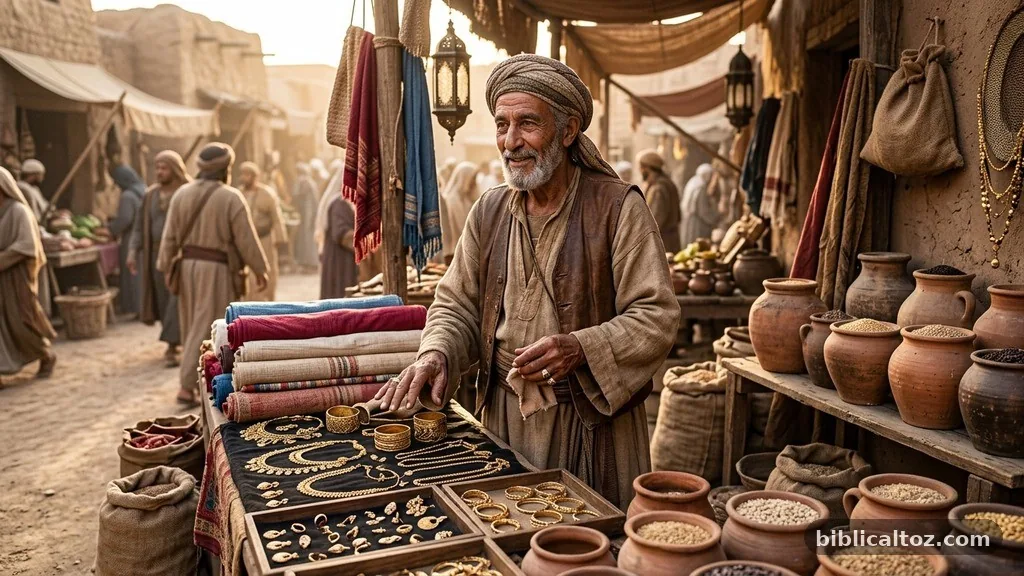
At its core, Babylon symbolism in the Bible functions as a literary and theological shorthand for human rebellion against God. It represents the pinnacle of worldly power, self-sufficiency, and idolatry.
Throughout the text, it appears as the antithesis to the City of God—a place where humanity attempts to build its own security and glory apart from the Creator. By examining these appearances, we see a consistent pattern: whenever a culture or system elevates itself above the divine, it adopts the characteristics of this ancient archetype.
Where is Babylon symbolism in the Bible?
Geographically, Babylon was situated on the Euphrates River in modern-day Iraq. Historically, it served as the capital of the Babylonian Empire, which played a pivotal role in the lives of the Israelite people.
While the Bible anchors these symbols in the literal ruins of that historic city, the imagery expands beyond those borders. In the prophetic books and the later writings of the New Testament, the location evolves into a broader concept—a spiritual reality that can manifest in any empire or system that sets itself against the truth.
Babylon symbolism in the Bible in the Old Testament
The Old Testament establishes the foundation for this imagery through both narrative history and prophetic judgment.
| Event | Bible Reference | Significance |
|---|---|---|
| The Tower of Babel | Genesis 11:1-9 | Humanity’s first organized attempt at self-glorification. |
| The Babylonian Exile | 2 Kings 25 | The fall of Jerusalem and the loss of the earthly kingdom. |
| Prophecies of Fall | Isaiah 13-14 | Divine declaration that all human pride will be humbled. |
Babylon symbolism in the Bible in the New Testament
In the New Testament, the imagery reaches its climax in the book of Revelation. Here, the city is no longer just an ancient capital but a cosmic symbol of all systems that oppose the Gospel.
It represents the seductive pull of worldly wealth and the persecution of those who follow the Lamb. While the historical city was long gone by the time John wrote his vision, the spiritual reality it embodied remained a live issue for the early church, which lived under the shadow of another great empire: Rome.
Major Biblical Meanings of Babylon symbolism in the Bible
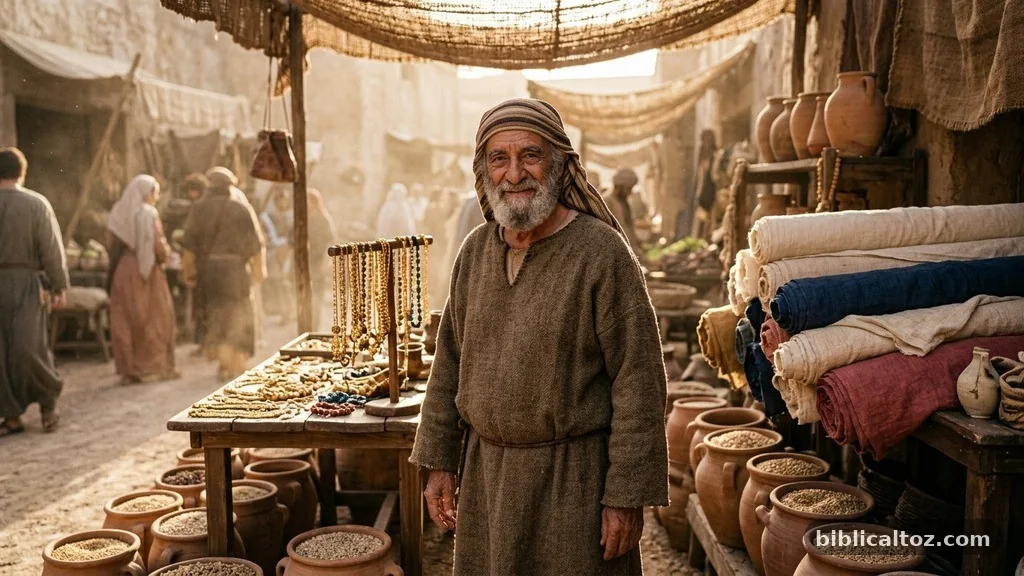
God’s Presence vs. Human Pride
The primary conflict represented by this city is the struggle between divine authority and human arrogance. From the building of the tower in Genesis to the grand claims of empires in the prophets, this symbol highlights the futility of trying to reach heaven through human ingenuity.
Idolatry and Worldly Worship
The city is consistently depicted as a center of false worship. It invites people to trade their allegiance to the Creator for the temporary comforts and status offered by the world. It serves as a warning about the subtle ways we can become captivated by material success.
Major Biblical Events Connected to Babylon symbolism in the Bible
- The confusion of languages at Babel, which scattered people who sought to make a name for themselves.
- Nebuchadnezzar’s siege of Jerusalem, which served as a painful correction for Israel’s drift into idolatry.
- The writing on the wall during Belshazzar’s feast, signifying that even the most powerful kingdoms have a measured time under God’s rule.
- The final fall of the “great city” in Revelation, signaling the end of all systems that compete with the Kingdom of God.
Babylon symbolism in the Bible as a Biblical Symbol
As a symbol, this location functions as an archetype of the “world system.” It is not merely a place, but a mindset.
When the Bible uses this language, it calls the reader to identify where their own loyalties lie. It distinguishes between the temporary, prideful structures of the earth and the eternal, humble reality of the Kingdom.
How the Meaning of Babylon symbolism in the Bible Develops Through the Bible
The concept begins as a specific historical location associated with early rebellion. In the prophetic literature, it grows into a metaphor for political and spiritual oppression. Finally, in the New Testament, it is transformed into a universal symbol for any power that demands the worship and devotion that belong only to God.
Babylon symbolism in the Bible and Jesus Christ
While the name is not explicitly linked to Jesus in the Gospels, the theology of the Kingdom of God provides the direct answer to the Babylonian spirit. Jesus came to establish a reign based on service, sacrifice, and truth—the exact opposite of the power-grabbing nature of the city. He delivers his people from the “Babylonian” traps of greed and control by calling them into a new way of living.
Babylon symbolism in the Bible and Christian Faith Today
For believers today, the message is one of discernment. We are called to live in the world without being shaped by its values. Recognizing the patterns of this ancient symbol helps us stay alert to contemporary forms of pride, consumerism, and the temptation to place our trust in human institutions rather than in the grace of God.
Does Babylon symbolism in the Bible Always Have the Same Symbolic Meaning?
Context is essential. In the Old Testament, the reference is often tied to the literal geopolitical threat facing Israel.
In the New Testament, the focus shifts toward the spiritual influence of worldly systems on the heart. The core theme of pride versus submission to God remains constant, but the application changes based on the specific historical or spiritual challenge the audience faces.
Common Misunderstandings About Babylon symbolism in the Bible
Many people mistakenly assume the Bible is predicting a specific, modern-day city in the Middle East when it mentions this name. However, the text uses the term as a timeless archetype. Another common error is viewing it only as a political enemy, ignoring the internal, personal struggle against the desire for worldly status that the symbol is meant to highlight.
Important Bible Verses About Babylon symbolism in the Bible
* Genesis 11:4: The foundational statement of human pride.
* Jeremiah 51:6: A call for God’s people to flee the influence of the system.
* Revelation 18:2: The final declaration of the system’s collapse.
Related Biblical Places and Themes
The contrast between the earthly city and the Heavenly Jerusalem is a central theme in Scripture. This tension is closely linked to the concept of the Temple, the Covenant, and the true Promised Land.
FAQs
What does Babylon represent biblically?
It represents human rebellion, pride, and the temptation to find security in worldly power rather than in God.
What symbol represents Babylon?
It is often depicted as a golden cup or a harlot, symbolizing the seductive nature of its wealth and the spiritual infidelity it encourages.
What does Babylon symbolize today?
Today, it symbolizes any system or mindset—whether political, economic, or cultural—that promotes self-glory and distracts people from the truth of the Gospel.
Why did God judge Babylon?
God judged the city because of its arrogance, its oppression of others, and its refusal to recognize the sovereignty of the Creator over all human affairs.
Conclusion
The persistent presence of Babylon symbolism in the Bible serves as a stark reminder of the limitations of human power. By looking back at the history of this ancient city, we gain a clearer perspective on the dangers of pride and the beauty of total dependence on God. It invites us to evaluate our own lives, asking whether we are building our security on the shifting sands of worldly success or the solid foundation of the Gospel.
As you continue to read the Scriptures, let this imagery sharpen your commitment to the things that truly last. May you find strength in the truth that while human empires rise and fall, the Kingdom of God remains forever.