The Profound Salt Symbolism in the Bible
In the pages of the Bible, salt is far more than a simple culinary staple; it serves as a powerful metaphor for purity, permanence, and the ongoing relationship between God and humanity. Ancient cultures recognized salt as a vital commodity, and its unique properties—its ability to preserve, season, and heal—made it an ideal vessel for spiritual teaching.
The Covenant of Salt
In the Old Testament, the term “covenant of salt” appears as a binding agreement that represents durability and loyalty. Because salt does not decay and prevents the spoiling of food, it became a symbol of a promise that would not be broken or corrupted by time.
Biblical Examples of Lasting Promises
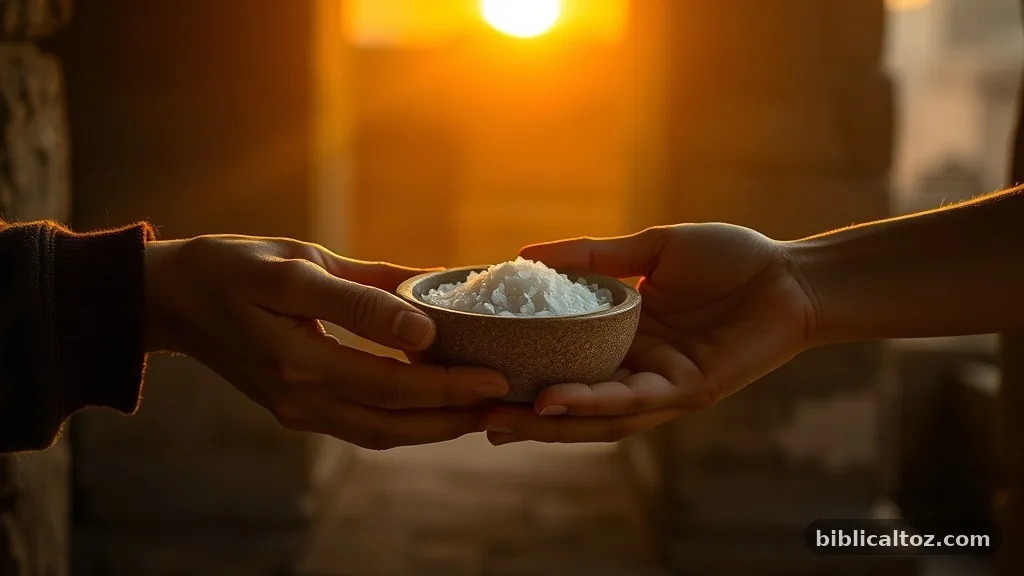
The Bible references this concept in Numbers 18:19, where God establishes an everlasting covenant with Aaron regarding the priesthood. Similarly, in 2 Chronicles 13:5, the kingdom of Israel is granted to David and his descendants through a “covenant of salt.” These instances illustrate that the relationship between God and his people was intended to be as incorruptible and enduring as the mineral itself.
The Role of Salt in Ancient Sacrifices
Salt was a mandatory requirement for offerings presented to God. Leviticus 2:13 instructs that every grain offering must be seasoned with salt, emphasizing that no sacrifice should be offered without it.
This requirement served as a reminder that the people were in a perpetual state of devotion. The presence of salt in these rituals signaled that the offering was set apart, holy, and intended to be a fragrant, pleasing aroma to the Creator. It reflected the idea that the life of the believer should be consistently dedicated to divine service.
Jesus and the Metaphor of Salt
In the New Testament, Jesus elevates the imagery of salt to describe the identity and responsibility of his followers. During the Sermon on the Mount, found in Matthew 5:13, he addresses his disciples directly, using the famous phrase, “You are the salt of the earth.”
Salt as a Means of Influence

When Jesus refers to his people as the “salt of the earth,” he is highlighting the transformative influence they should have on the world. Just as salt adds flavor to food and prevents decay, believers are called to impact society by preserving truth, morality, and hope in a world often marked by moral decline.
The Danger of Losing Saltiness
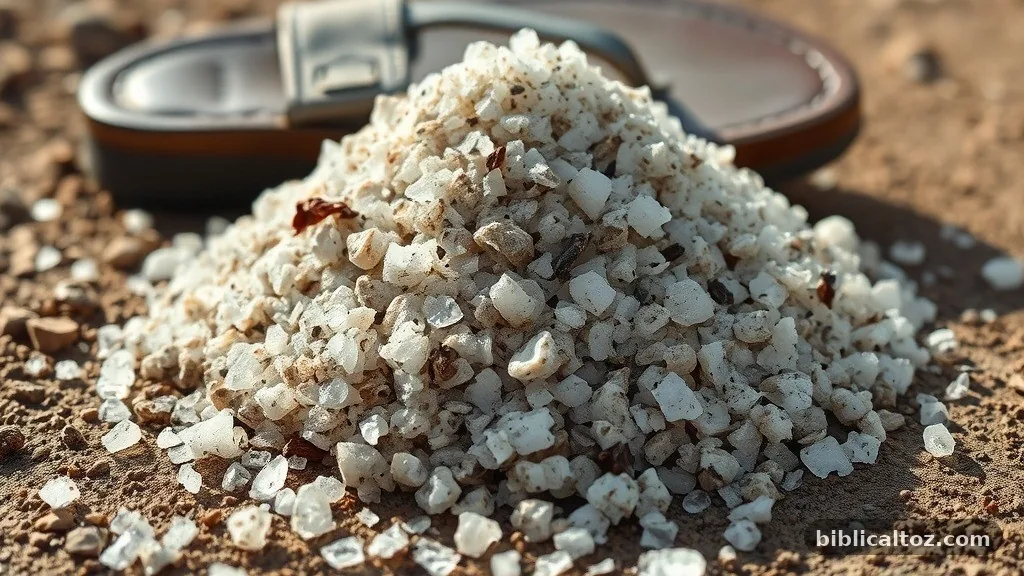
Jesus warns that if salt loses its flavor, it becomes useless and is thrown out to be trampled underfoot. This serves as a sobering reminder to his followers that their spiritual effectiveness depends on their proximity to God. If a believer abandons their faith or compromises their integrity, they lose the very quality that makes them a light to others.
Healing and Purification
Beyond covenants and seasoning, the Bible depicts salt as a tool for physical and spiritual restoration. A notable example occurs in 2 Kings 2:19–22, where the prophet Elisha uses salt to purify the water of Jericho.
After the people complained that the water was causing death and barrenness, Elisha cast salt into the spring. The water was miraculously healed, symbolizing God’s power to transform toxicity into life. This event reinforces the symbolic connection between salt and the restoration of health, purity, and fruitfulness in places that were previously desolate.
Living as Salt and Light
The combination of salt and light is a recurring theme in the teaching of Jesus. While salt works silently to preserve and season from within, light shines outwardly to expose and guide. Together, they represent the dual responsibility of the believer: to be an internal agent of moral preservation and an external witness of divine truth. By embodying these qualities, people are encouraged to live lives that reflect the character of God in a tangible, practical way.