What Is Predestination: Biblical Meaning and Perspectives?
When people ask what is predestination, they are often wrestling with the tension between divine sovereignty and human responsibility. At its core, the concept suggests that God, in His infinite wisdom, has ordained the future according to His own purposes and plan. While some view this as a comforting assurance of God’s control, others worry it might negate the importance of personal choice.
This article examines the scriptural foundations of the doctrine, how it relates to the concept of salvation, and the various ways believers have interpreted these passages throughout history. Understanding the nuances of this teaching helps clarify how grace and human response interact within the Christian faith.
The Biblical Basis for Divine Sovereignty
The term itself does not appear in the original Hebrew or Greek texts in a modern systematic sense, but the concept is deeply rooted in the scriptures. In the New Testament, the apostle Paul uses the Greek word proorizo, which literally means to mark out or limit beforehand. This language appears in key passages that describe God’s eternal plan for His people.
For instance, in Ephesians 1:11, the text notes that believers are “predestined according to the purpose of Him who works all things after the counsel of His will.” This suggests that the initiative for redemption rests entirely with the Creator. Similarly, Romans 8:29-30 describes a golden chain of events: those whom God foreknew, He also predestined to be conformed to the image of His Son.
Distinguishing Major Theological Views
Because the Bible emphasizes both God’s absolute power and the necessity of faith, different traditions have developed distinct frameworks to explain how they fit together. These views represent sincere efforts to remain faithful to the text while addressing the logical questions that arise from it.
The Reformed Perspective
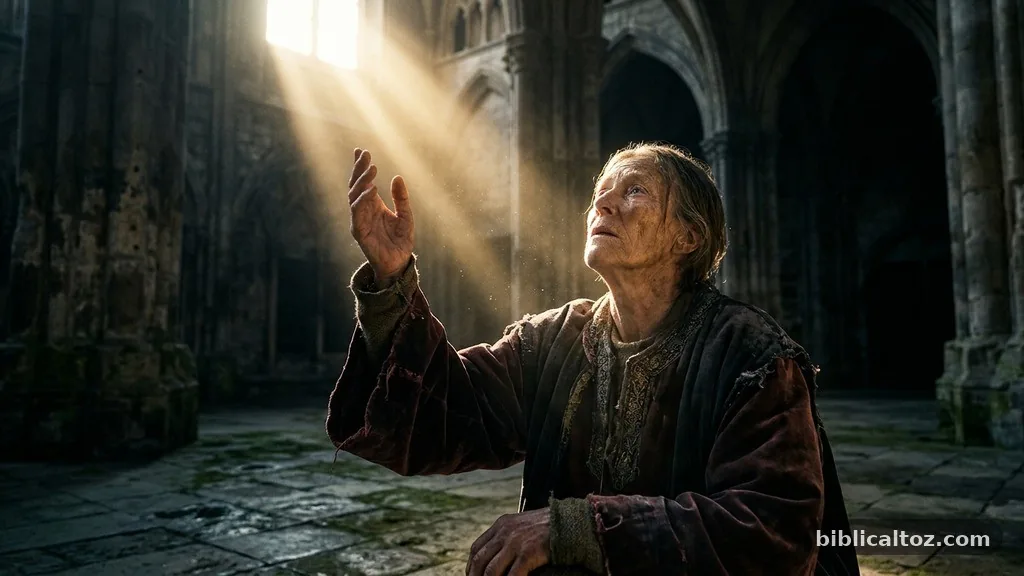
In the Reformed tradition, which draws heavily from the teachings of John Calvin, the focus is on the total dependence of the sinner on divine grace. Proponents argue that because humanity is fallen and “dead in trespasses,” individuals cannot choose God on their own.
Therefore, God must sovereignly intervene to regenerate the heart, ensuring that those He chose will indeed come to faith. This view emphasizes that salvation is a gift, not a reward for human merit.
The Arminian Perspective

The Arminian view, named after Jacobus Arminius, emphasizes God’s desire for all people to be saved. In this framework, God grants “prevenient grace”—a measure of influence that enables a person to respond to the gospel.
Predestination, in this view, is often seen as God’s “foreknowledge” of who would freely choose to trust in Him. It seeks to protect the idea that God is not the author of sin and that the offer of salvation is genuinely available to everyone.
Comparison of Perspectives
The following table highlights the core differences in how these two major traditions approach the relationship between divine decree and human choice.
| Feature | Reformed View | Arminian View |
|---|---|---|
| Initiative | God alone acts to save | God enables, humans respond |
| The Decree | God ordains the outcome | God foresees the outcome |
| The Scope | Particular (the elect) | Universal (all are invited) |
Common Misconceptions
When discussing what is predestination, it is vital to clear up common misunderstandings. Many people assume the doctrine implies that human actions don’t matter or that people are forced to believe against their will. However, most theologians argue that God’s sovereignty works through human agency rather than bypassing it.
- God’s plan does not turn people into puppets; it works through their desires and choices.
- Predestination is typically presented in the Bible as a source of comfort for believers, not a cold, mechanical theory.
- The doctrine of election is meant to highlight the richness of grace, not to encourage pride or fatalism.
- Prayer remains significant because it is one of the primary ways God accomplishes His ordained ends.
The Role of Human Responsibility
A frequent challenge is how to reconcile the idea of a fixed destiny with the biblical call to repent and believe. The Bible repeatedly commands people to turn from their ways and trust in Christ. These commands are not seen as empty gestures by any major Christian tradition.
Instead, they are viewed as the necessary means by which the eternal plan is realized. In this light, the mystery of the gospel is that God is both the author of salvation and the one who calls us to participate in it.
Frequently Asked Questions
Does God predestine people to hell?
The doctrine of “double predestination” is highly debated. Most proponents of Reformed theology argue that God actively elects some for salvation while “passing over” others, leaving them in their natural state of sin. Others strongly reject this, insisting that God desires all to be saved and that judgment is a result of human rejection of grace.
Why would God predestine if He wants everyone to be saved?
This is the heart of the tension. Those who hold to a strong view of sovereignty argue that God’s purposes are complex and ultimately beyond human comprehension. Those who emphasize free will argue that love requires the possibility of rejection, and God honors that freedom even when it leads to tragic outcomes.
Can I lose my salvation if I am predestined?
Within the traditions that emphasize predestination, the belief is generally that those whom God has chosen are secure in His hands. The focus is on the faithfulness of God to complete the work He started, rather than the ability of the believer to maintain their own standing.
How does prayer fit into a predestined world?
Prayer is seen as an expression of dependence. Even if God knows the future, He uses the prayers of His people as the means by which He brings about His will. It is not about changing God’s mind, but aligning our hearts with His.
What is the difference between foreknowledge and predestination?
Foreknowledge refers to God knowing future events before they happen. Predestination implies that God has determined or ordained those events. While they are distinct, most theologians agree they are inseparable aspects of God’s relationship with time.
Is it possible to know if I am one of the elect?
The Bible encourages believers to look for the “fruit” of the Spirit in their lives as evidence of a genuine relationship with God. Instead of looking for a secret decree, the focus is on the present reality of faith, repentance, and a growing love for Christ.
Reflecting on Divine Mystery
The discussion regarding what is predestination often leads to more questions than answers, which is perhaps by design. The scriptures present a God who is both deeply involved in the details of history and committed to the dignity of human response. Rather than viewing these as conflicting ideas, many believers find peace in the mystery of a God who is big enough to hold both in His hands.
Ultimately, the focus of the biblical writers was not to provide a logical puzzle for us to solve, but to invite us into a relationship of trust. Whether one leans toward a view of absolute sovereignty or emphasizes the role of human choice, the goal remains the same: to live in the grace provided through faith. Recognizing that our lives are part of a larger, divine story can provide significant comfort, knowing that the One who started the work is faithful to finish it.