Miriam in the Bible: Life, Leadership, and Legacy
The life of Miriam in the Bible offers a compelling look at the role of women in ancient Israel. As the sister of Moses and Aaron, she stands as a pivotal figure during the Exodus, serving as a prophetess and a leader who helped guide her people toward freedom.
Her story is not merely one of triumph but also of human frailty, reflecting the complexities of faith and leadership under pressure. By examining her actions from the banks of the Nile to her final days in the wilderness, you can gain a deeper appreciation for her influence on the early history of the Hebrew nation.
Early Life and the Rescue of Moses
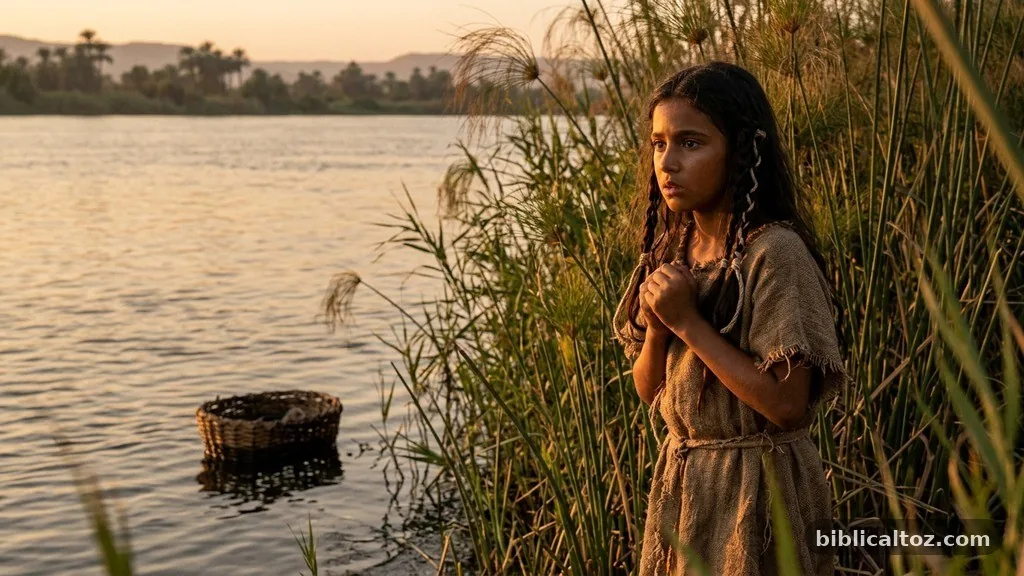
Miriam first appears in the narrative during the infancy of Moses. When Pharaoh ordered the death of all Hebrew male infants, Moses’ mother placed him in an ark of bulrushes along the riverbank.
Miriam stood at a distance to see what would happen to her brother. Her quick thinking and courage in approaching Pharaoh’s daughter to suggest a Hebrew nursemaid ensured that Moses was raised by his own family.
This moment highlights her early role as a protector and mediator. She acted with wisdom beyond her years, securing the safety of the infant who would eventually lead the people out of Egypt. Her vigilance during those tense moments suggests a character defined by loyalty and a sharp, observant mind.
Prophetess and Leader of Worship
Following the miraculous crossing of the Red Sea, Miriam is explicitly identified as a prophetess. In Exodus 15, she leads the women of Israel in a song of victory, playing the timbrel and dancing to celebrate the deliverance God provided. This public act of worship established her as a prominent spiritual leader among the people.
Her leadership was not confined to domestic spheres but extended to the public life of the nation. The song she led served as a communal act of remembrance, ensuring that the deliverance from Egypt was etched into the collective memory of the Israelites. She provided a voice for the women of the camp, anchoring their faith in the power of God.
The Incident of Rebellion and Leprosy
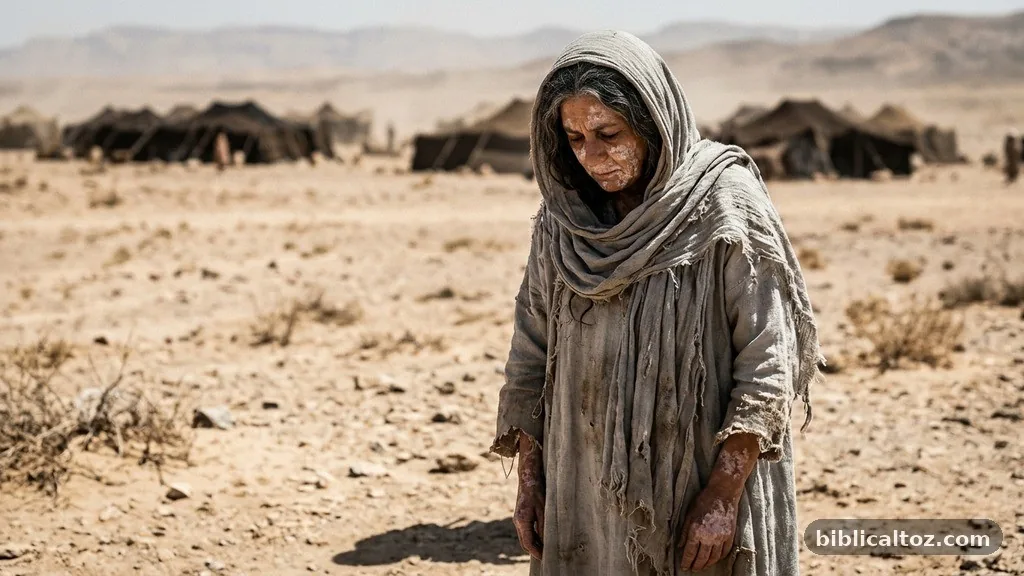
The most difficult chapter in the life of Miriam involves her opposition to Moses alongside Aaron. According to Numbers 12, they spoke against Moses because of his marriage to a Cushite woman, though the text suggests their true grievance was a desire for greater authority, as they questioned if God spoke only through Moses.
God responded by calling the three of them to the tabernacle. He affirmed the unique status of Moses as a prophet with whom He spoke face to face.
As a consequence of her role in this dissent, Miriam was struck with leprosy for a week and confined outside the camp. This period of isolation served as a humbling correction, highlighting the gravity of challenging God-chosen leadership.
Key Events in the Life of Miriam
| Event | Biblical Reference | Significance |
|---|---|---|
| Watching over Moses | Exodus 2 | Demonstrates early loyalty and strategic thinking. |
| Leading the song | Exodus 15 | Marks her recognized role as a prophetess. |
| Opposition to Moses | Numbers 12 | Shows the consequences of pride and jealousy. |
| Death at Kadesh | Numbers 20 | The end of her journey in the wilderness. |
Lessons from Her Story
The narrative of Miriam serves as a multifaceted lesson for modern readers. It underscores the importance of humility, even for those who have served faithfully for many years. Her life demonstrates several core principles:
- The value of using one’s gifts for the benefit of the community.
- The danger of allowing jealousy to undermine established leadership.
- The importance of communal intercession, as seen when Aaron and the people prayed for her healing.
- The reality that God holds leaders to high standards of conduct.
Her story reminds us that while we may be used by God in powerful ways, we are not exempt from the need for repentance and growth. The way the community waited for her return after her week of isolation reflects the high regard in which she was held, despite her public failure.
Questions About Her Life
What does Miriam represent in the Bible?
She represents the crucial role of women in the leadership and spiritual life of Israel. She is a symbol of both prophetic insight and the human tendency toward pride that requires divine correction.
Why did God punish her with leprosy?
The text indicates it was a direct consequence of her and Aaron’s rebellion against Moses’ authority. It served as a visible, sobering sign of the seriousness of their challenge to God’s chosen mediator.
What is the meaning of her name?
While the etymology is debated, many scholars suggest it relates to “bitterness” or “beloved.” Both meanings find resonance in the different stages of her life, from her struggles in the wilderness to her status as a cherished leader.
Did she ever reach the Promised Land?
No. According to the book of Numbers, she died and was buried at Kadesh during the long wilderness journey, shortly before the nation moved toward the Promised Land.
How do we reconcile her leadership with her rebellion?
Her life shows that spiritual gifts and past faithfulness do not grant immunity from error. The Bible records both her triumphs and her failures with honesty, presenting her as a complex, real person rather than a flawless icon.
Reflecting on Her Legacy
The legacy of Miriam in the Bible is one of significant impact and sobering instruction. She was a woman who stood at the center of the most defining moments in Israelite history, yet she also faced the consequences of her own heart’s rebellion. By looking at her story, you can see how God uses imperfect people to accomplish His purposes.
Her life encourages us to remain faithful in our service while staying grounded in humility before the One who calls us. Whether you are reflecting on her courage at the river or her humbling experience in the wilderness, there is much to learn from her journey. As you continue your study, consider how her example can shape your own walk of faith today.