Talitha Cumi Meaning: Understanding the Biblical Phrase
When you encounter the phrase Talitha Cumi, you are looking at one of the few instances where the original words of Jesus are preserved in their native tongue. Found in the Gospel of Mark, this command is more than a simple instruction; it is a moment of profound intimacy between the Savior and a grieving family.
Many readers find the Talitha Cumi meaning to be a powerful reminder of Christ’s authority over death and His tender care for the individual. By examining the linguistic roots and the surrounding narrative, you will gain a clearer perspective on why these specific words carry such enduring weight for believers today.
What Does Talitha Cumi Mean?
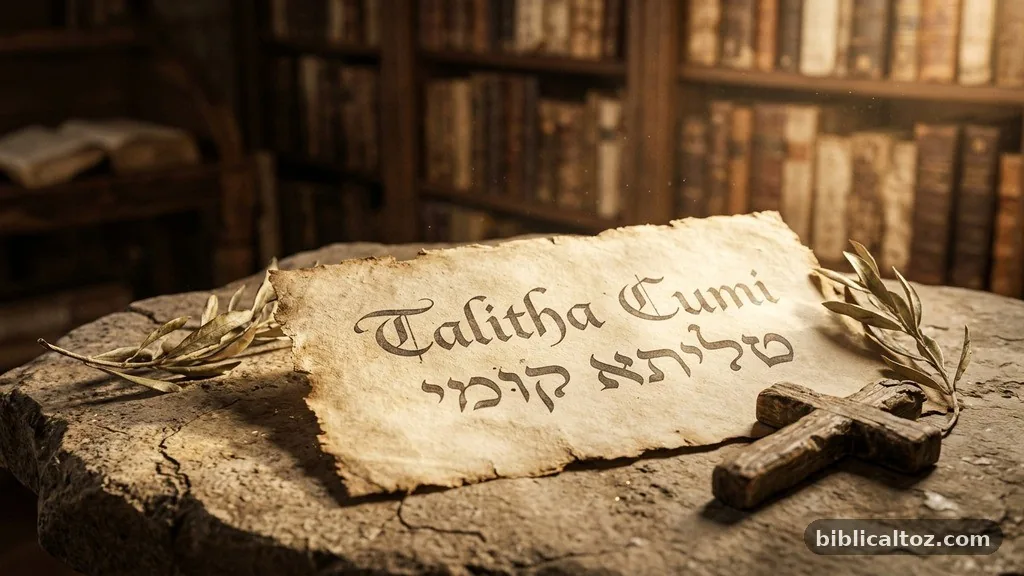
The phrase translates directly from Aramaic into the English instruction, “Little girl, I say to you, arise.” It is a two-part command that conveys both a term of endearment and a life-giving directive.
- Talitha: A word used to address a young girl, carrying a sense of warmth and affection.
- Cumi: The imperative verb for “arise” or “get up.”
When Jesus spoke these words, He was not merely performing a clinical resurrection. He was calling a child back to her family with a tone of personal connection. The beauty of the phrase lies in its simplicity; it is the voice of God addressing a daughter in her time of greatest need.
What Language Is Talitha Cumi?
The language spoken by Jesus and His disciples in first-century Judea was primarily Aramaic. While Greek was the common language of trade and the written record of the New Testament, Aramaic was the domestic, heart-language of the Jewish people during those times.
Mark likely included the original Aramaic because he wanted to capture the exact sound of the miracle as it occurred. By preserving these words, the Gospel writer allows us to hear the very syllables that brought a young life back from the threshold of death.
Where Does Talitha Cumi Appear in the Bible?
This specific phrase is recorded in the Gospel of Mark 5:41. It serves as the climax of a narrative involving a ruler of the synagogue named Jairus. While the event is mentioned in other parts of the New Testament, Mark is the only Gospel writer to record the actual Aramaic words used by Jesus, providing a unique window into the moment.
The Story of Jairus’s Daughter in Mark 5
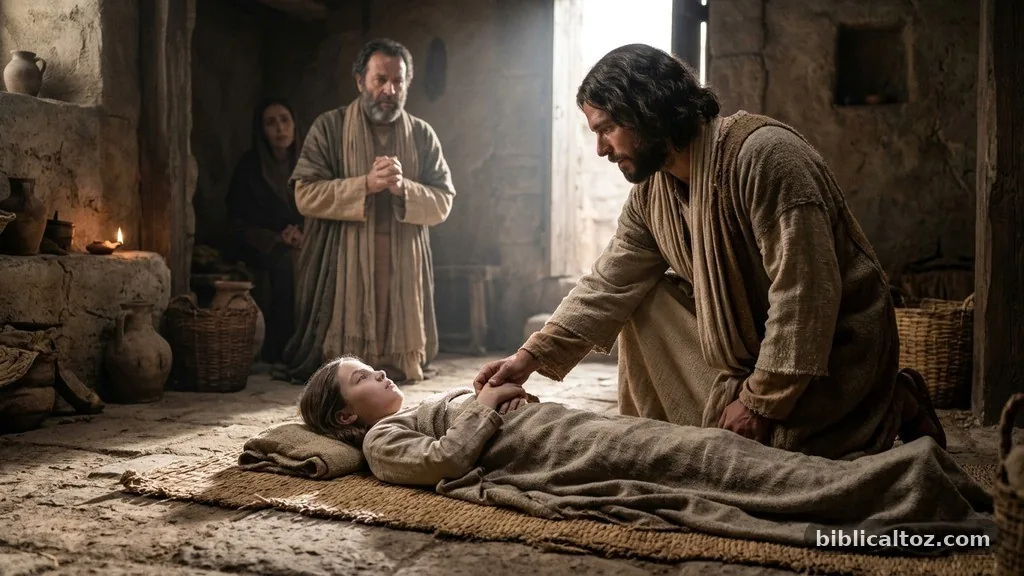
The narrative begins with Jairus, a leader of the synagogue, falling at the feet of Jesus in desperate prayer. His twelve-year-old daughter is at the point of death, and he begs the Lord to come and heal her. As they travel to his home, they are interrupted by a woman suffering from a chronic ailment, yet Jesus remains focused on the mission of mercy.
| Gospel Account | Key Narrative Detail |
|---|---|
| Mark 5:21–43 | Records the specific Aramaic words Talitha Cumi. |
| Matthew 9:18–26 | Focuses on the faith of the father and the brevity of the event. |
| Luke 8:40–56 | Emphasizes the physician’s account and the reaction of the parents. |
When they arrive at the house, the mourners are already wailing, convinced the girl has passed away. Jesus dismisses the crowd, enters the room with the parents and three disciples, and speaks the words that change everything.
Why Did Jesus Say Talitha Cumi?
Jesus chose these words to demonstrate that He is the Lord of life and death. By using a language that was familiar and intimate to the family, He bridged the gap between the divine power of God and the human experience of sorrow. The command to “arise” was not just a restoration of breath; it was a restoration of the family line, ensuring that the daughter could continue her life within the community.
What Does This Miracle Reveal About Jesus?
This miracle reveals that Jesus is not detached from human suffering. He does not view people as statistics; He sees the individual, even a young child, as worthy of His full attention.
His power is absolute, yet His demeanor is gentle. It shows that the mission of God is to restore what is broken and to bring light into the darkest rooms of our existence.
What Can Christians Learn from This Passage?
You can find several practical applications in this account that apply to your own walk of faith. First, it encourages you to bring your deepest anxieties to the Lord, just as Jairus did.
Second, it highlights the importance of trusting Jesus even when others tell you that a situation is hopeless. Finally, it reminds you that God speaks to your heart in a way that is personal, tender, and uniquely suited to your life.
Frequently Asked Questions
Why did Jesus speak Aramaic in this passage?
Aramaic was the native language of the region and the tongue spoken by Jesus in his daily life. The Gospel writer included the original words to provide an authentic, eyewitness account of the event.
What is the difference between the accounts in the Gospels?
Mark provides the most detailed narrative, including the specific Aramaic words. Matthew and Luke cover the same miracle but focus more on the progression of the event and the reactions of the witnesses.
Does Talitha Cumi have a spiritual meaning today?
Yes, it represents the transformative power of Christ to wake the soul and restore what has been lost. It is a symbol of God’s ability to speak life into circumstances that appear finished.
How should one interpret the command to arise?
It signifies both a literal physical resurrection and a metaphorical call to rise above despair. It is a reminder that God’s authority remains constant regardless of the severity of the situation.
Conclusion
Reflecting on the Talitha Cumi meaning provides a profound look at the compassion of the Savior. It reminds you that no situation is beyond the reach of God’s voice. Whether you are facing a literal crisis or a season of spiritual stagnation, the words spoken to Jairus’s daughter continue to echo today.
They serve as a call to move forward in faith, trusting that the same power that raised the child is active in your own life. You are encouraged to bring your burdens to Him, knowing that He hears your prayers and responds with both authority and deep, personal love. Keep your heart open to the ways He calls you to rise each day.