Jesus Turning Water into Wine: Meaning and Significance
The account of Jesus turning water into wine serves as a pivotal moment in the Gospel of John. This event, taking place at a wedding in Cana of Galilee, marks the beginning of Christ’s public ministry and the first of his recorded signs.
By transforming ordinary water into the finest wine, Jesus demonstrated his authority over the natural world and provided a glimpse into his divine glory. Whether you are studying the text for historical context or seeking personal spiritual reflection, understanding this miracle offers a profound look at how Christ interacts with the needs of those around him.
The Setting and Significance of the Wedding at Cana
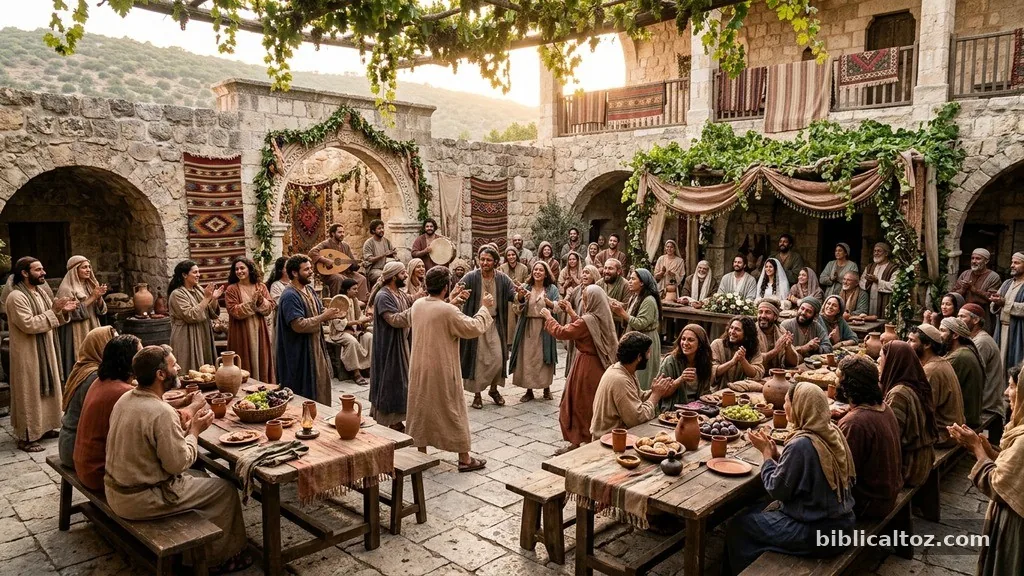
The narrative begins in the town of Cana, where Jesus, his disciples, and his mother were invited to a wedding. Weddings in the ancient world were significant community events that often lasted several days, requiring substantial preparation for food and drink. When the supply of wine ran out, the situation became a social crisis for the host.
In the culture of that time, hospitality was a sacred duty. Failing to provide for guests would have brought shame upon the family. Jesus’ mother, aware of the shortage, turned to her son.
Despite his initial response, she instructed the servants to do whatever he told them. This moment highlights the trust placed in Jesus to resolve a situation that seemed beyond human repair.
The Mechanics of the Miracle
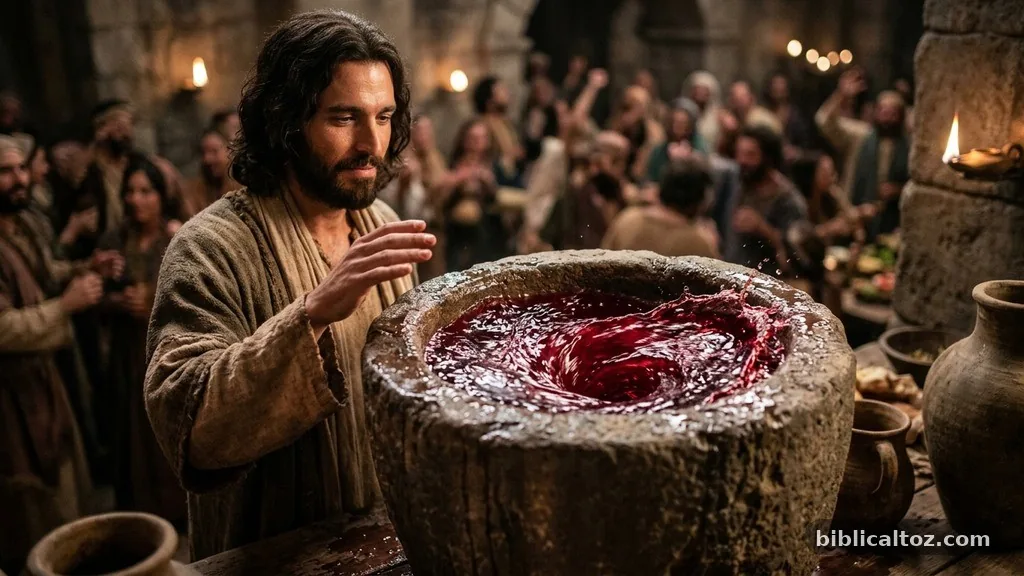
The process of Jesus turning water into wine involved six stone water jars, each holding twenty or thirty gallons. These jars were typically used for Jewish rites of purification. By using these specific vessels, Jesus replaced the ritualistic water of the law with a new, abundant reality.
The Role of the Servants
The servants were essential participants in this miracle. Jesus instructed them to fill the jars with water, which they did to the brim.
When he told them to draw some out and take it to the master of the banquet, they obeyed without question. This act of service serves as a model for how disciples are called to respond to the words of Christ.
| Element | Description |
|---|---|
| Location | Cana of Galilee |
| Vessels | Six stone water jars |
| Outcome | Water transformed into high-quality wine |
| Significance | The first of many signs |
Theological Implications of the First Sign
The Gospel of John emphasizes that this was the first of the signs Jesus performed. These signs were not merely displays of power; they were visual sermons pointing toward his identity as the Son of God. The transformation of water into wine points to a new covenant that replaces the old.
- It reveals the glory of Jesus to his disciples.
- It demonstrates that Jesus cares for the practical, daily needs of humanity.
- It signifies the transition from the limitations of the Law to the grace of the Gospel.
- It highlights the abundance found in the kingdom of God.
Frequently Asked Questions
Why did Jesus turn water into wine if alcohol is discouraged in some contexts?
The biblical text records this event without offering a modern moral commentary on alcohol. In the first-century context, wine was a standard part of a meal and a symbol of celebration. The miracle focuses on the provision of a high-quality gift to rescue a host from embarrassment, rather than a commentary on consumption habits.
Was this the first miracle Jesus ever performed?
According to the Gospel of John, this is explicitly identified as the first of his signs. While there are traditions and non-canonical writings that suggest other events, the Bible focuses on this miracle at the wedding as the inaugural demonstration of his divine authority.
What was the reaction of the master of the banquet?
The master of the banquet was surprised by the quality of the wine. He noted that it was common to serve the best wine first, followed by a lower-quality option once guests had consumed a significant amount. However, he remarked that the bridegroom had kept the best for last, unknowingly witnessing the result of a divine miracle.
What lesson does this teach about God’s timing?
The story shows that God is aware of our needs even before we articulate them. Jesus responded to his mother’s request in his own way, demonstrating that his actions are always aligned with the Father’s will and perfect timing, rather than human pressure.
Reflecting on the Miracle
The narrative of Jesus turning water into wine remains a cornerstone for understanding the mission of Christ. It teaches us that he is a participant in our human joys and a provider in our moments of scarcity. By choosing a wedding celebration as the backdrop for his first sign, Jesus affirmed the goodness of life and the importance of community.
As you continue to explore the accounts found in the Gospel of John, consider how the grace demonstrated at Cana is still relevant to your own life today. We invite you to stay connected with BiblicalToZ.com for further resources on the life and teachings of Jesus as we explore the depths of Scripture together.