Koinonia Meaning in the Bible: Fellowship & Partnership
When you look into the koinonia meaning in the Bible, you quickly discover it is far more than a simple social gathering. This Greek term describes a profound spiritual bond that connects believers to God and to one another.
Understanding how this word functions throughout the New Testament transforms how you view church life, shifting the focus from weekly attendance to active, sacrificial participation. By examining the roots of this term, you will gain a clearer picture of what it means to truly live as a member of the body of Christ.
Defining Koinonia in the Greek Context
The Greek word koinonia does not have a single, rigid definition that fits every context perfectly. At its core, it suggests the idea of having something in common or sharing in a joint venture.
The semantic range of the term is quite broad, covering concepts like partnership, participation, communion, and contribution. Because it is rooted in the noun koinonos, which refers to a partner or sharer, the word implies that two or more parties are working toward a shared goal or holding something together.
Context is the ultimate key to unlocking how the writers of the New Testament intended the word to be understood. Sometimes it refers to the act of giving money to support the needy, while other times it describes the intimate, mystical union between a believer and the Holy Spirit. If you ignore the surrounding verses, you might miss the weight of the term, as it often describes a deep, costly commitment rather than a casual friendship.
Biblical Exegesis of Key Passages
To grasp the full depth of this concept, we must look at how the early church lived it out. These passages illustrate that koinonia is an active, living reality rather than an abstract theological idea.
Acts 2:42 and the Early Church Model
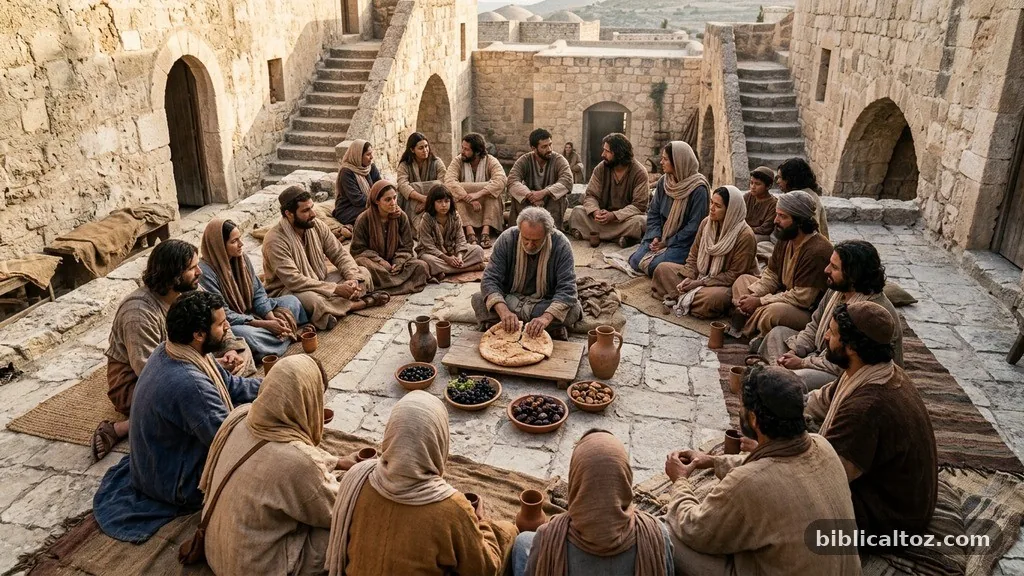
In the early days of the church, believers devoted themselves to the apostles’ teaching, to fellowship, to the breaking of bread, and to prayers. Here, the mention of fellowship represents the glue that held the community together. It was not just about sitting in a room; it was about a shared life where people looked after one another’s physical and spiritual needs.
1 Corinthians 1:9 and Fellowship with Christ
Paul writes that God is faithful, by whom you were called into the fellowship of his Son, Jesus Christ our Lord. This verse reminds us that our connection to one another is entirely dependent on our connection to Christ. We are not just friends; we are partners who have been brought into the life of the Savior.
Philippians 1:3–5 and the Partnership of the Gospel
Paul thanks the Philippians for their partnership in the gospel from the first day until now. In this instance, the term highlights a shared mission. These believers were not merely spectators; they were active participants in the work of spreading the good news.
Philippians 2:1–4 and the Call to Unity

If there is any comfort in Christ, Paul urges, then be like-minded, having the same love, being of one accord, of one mind. He emphasizes that true unity requires us to look out for the interests of others rather than our own. This is the practical outworking of our shared life in the Spirit.
1 John 1:3–7 and Walking in the Light
The apostle John explains that our fellowship is with the Father and with his Son, Jesus Christ. He notes that if we walk in the light, we have fellowship with one another, and the blood of Jesus cleanses us from all sin. This passage clarifies that true community is only possible when we are walking in obedience to God.
Core Themes of Biblical Fellowship
Biblical fellowship is fundamentally vertical before it is horizontal. You cannot have a healthy, Spirit-led community among people if those individuals are not first connected to God. This relationship with the Creator provides the foundation for how we treat our brothers and sisters in the faith.
Fellowship vs. Mere Social Interaction
Many modern churches equate fellowship with coffee and donuts after a service. While eating together is a biblical practice, the Greek term implies a level of intimacy and shared responsibility that goes far deeper. It involves carrying one another’s burdens, confessing sins, and holding each other accountable in the pursuit of holiness.
The Role of Generosity and Service
The early church members were known for their willingness to sell their possessions to help those in need. This is a vital aspect of the concept, as it shows that our resources are meant to be used for the benefit of the family of God. When we serve, we are not just doing tasks; we are expressing the reality of our shared life.
| Aspect of Koinonia | Common Misconception | Biblical Reality |
|---|---|---|
| Primary Focus | Socializing and fun | Shared life in the Spirit |
| Scope | Local church only | Universal body of believers |
| Nature | Passive attendance | Active, sacrificial participation |
Addressing Common Misconceptions
A frequent misunderstanding is the idea that koinonia is a special, elite level of church membership. In reality, it is the standard experience for every believer. If you are in Christ, you are already part of this fellowship.
It is not something you earn; it is a position you occupy. Another error is the belief that this term refers to a specific church group or denomination. The Bible uses the word to describe the entire body of Christ, meaning it transcends human organizations or building walls.
Practical Application for Daily Life
Cultivating this type of community in your daily life requires intention and a willingness to be vulnerable. You must move past superficial conversations and seek to understand the hearts of those around you.
- Prioritize regular, face-to-face time with other believers to foster genuine connection.
- Share your struggles and prayer requests openly to encourage mutual support.
- Look for concrete ways to serve your local congregation, whether through cleaning, teaching, or offering financial help.
- Practice forgiveness quickly, as conflicts will inevitably arise in close-knit groups.
- Focus on the gospel as the center of your relationships, keeping Christ as the primary bond.
Frequently Asked Questions
What is the primary difference between friendship and koinonia?
Friendship is often based on mutual interests or personality compatibility. While biblical fellowship can include those things, its foundation is the shared life we have in Christ. It is a spiritual union that persists even when we do not feel particularly compatible with someone.
Is it necessary to be in a formal church setting to experience this?
While the local church is the primary place where this is expressed, the bond exists wherever two or more believers gather in the name of Jesus. You can experience it in small groups, during personal mentoring, or even through the support of believers across the globe.
How does the Holy Spirit relate to this concept?
The Holy Spirit is the agent who creates and sustains this bond. Without His presence, we are just a social club. He is the one who enables us to love others, sacrifice our own interests, and remain united in the truth of the gospel.
Can you have fellowship with someone you disagree with?
Yes, as long as the disagreement does not involve the core truths of the gospel. We are called to maintain the unity of the Spirit in the bond of peace, which often requires us to show grace and patience toward brothers and sisters who hold different perspectives on secondary matters.
Conclusion
Grasping the koinonia meaning in the Bible changes how you approach your walk with God and your interactions with others. It moves the needle from passive observation to active, meaningful participation in the life of the church. This shared life is a gift, rooted in the finished work of Christ and empowered by the Holy Spirit.
As you seek to apply these truths, remember that you are part of a larger, eternal family that is being knit together for the glory of God. Start by reaching out to someone in your local congregation this week and looking for a way to serve them as Christ has served you. We invite you to continue your study of the Scriptures with us at BiblicalToZ.com as you grow deeper in your understanding of the faith.