The Parable of the Lost Coin: Meaning and Significance
The parable of the lost coin serves as a profound window into the heart of God and His relentless pursuit of the individual. Found exclusively in the Gospel of Luke, this brief but potent narrative highlights the immense value placed on every soul, regardless of status or perceived worth.
By examining the actions of the woman who diligently searches for her missing treasure, we gain a clearer perspective on how heaven reacts when one person is reconciled to the truth. Understanding the nuances within this account provides a foundation for appreciating the depth of divine love and the urgency of the mission to seek those who have wandered away.
Context and Historical Setting
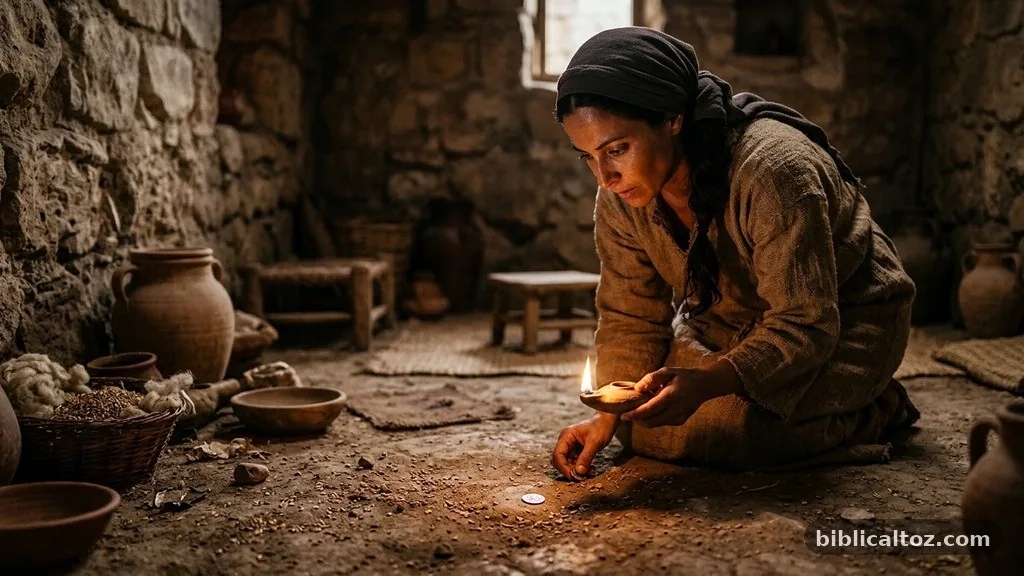
Jesus shared this story in Luke 15, immediately following the parable of the lost sheep. The religious leaders of the time were grumbling because Jesus spent time with tax collectors and sinners, people considered societal outcasts. To address their judgmental attitudes, He offered a series of three parables—the lost sheep, the lost coin, and the lost son—to illustrate that God actively pursues the lost.
In the first-century Jewish household, ten silver drachmas were not merely pocket change. A drachma was roughly equivalent to a day’s wage for a laborer.
Beyond the financial value, these coins were often worn as a piece of jewelry, known as a semitsd, which was part of a woman’s dowry. Losing one would be a significant emotional and economic blow, explaining why the woman took such drastic measures to retrieve it.
The Anatomy of the Search
The narrative structure follows a deliberate progression: the loss, the search, the discovery, and the celebration. Each step reveals a specific aspect of how divine grace operates in the lives of people.
- The Loss: The coin did not choose to be lost; it simply ceased to be functional and visible in its proper place.
- The Search: The woman lights a lamp, sweeps the house, and searches diligently until she finds it.
- The Discovery: The effort is not abandoned halfway; she persists until the item is back in her possession.
- The Celebration: She calls her friends and neighbors together to rejoice, reflecting the joy in heaven over a repentant soul.
Why the Lamp and the Broom Matter
In a typical ancient Palestinian home, windows were small and floors were often made of packed earth or dark stone. When a small silver coin fell, it would likely settle into the dirt or crevices. Lighting a lamp allowed the woman to see into the darkest corners of the room. Using a broom helped her clear away the dust and debris that obscured the coin. This imagery signifies the intentional effort required to uncover what is hidden, suggesting that God’s pursuit of the lost is active, thorough, and purposeful.
Symbolism in the Parable
Many scholars view the characters in the story as representative figures. While interpretations vary, the most consistent theological view sees the woman as a representation of the Holy Spirit or the Church, tasked with the work of searching. The coin represents the sinner, who possesses inherent value to the owner despite being lost and unable to recover itself.
| Element | Symbolic Representation | Theological Significance |
|---|---|---|
| The Coin | A person apart from God | Possesses inherent worth to the Creator |
| The Lamp | The Word of God/Truth | Illuminates the darkness to reveal the lost |
| The Sweeping | Active, diligent ministry | The effort taken to restore a relationship |
| The Friends | The heavenly host | The community shares in the joy of restoration |
Common Misconceptions
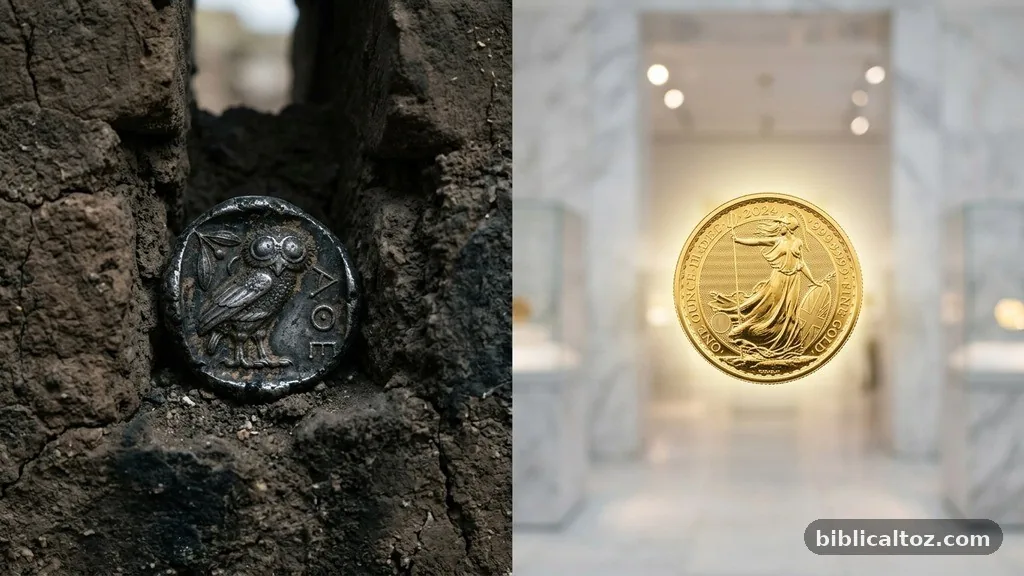
A frequent question involves whether the coin could have contributed to its own rescue. Because a coin is an inanimate object, it highlights the doctrine of grace: the lost cannot find themselves. Just as the coin remained passive until the woman intervened, the human heart requires the initiative of the Creator to be brought back into right standing. Another misconception is that the woman was simply looking for money; however, the emphasis on calling neighbors to share in the “joy” suggests the value was deeply personal and relational, not just financial.
Practical Application for Today
The parable of the lost coin challenges us to examine how we view those who are disconnected from their faith. Are we willing to “light a lamp” and “sweep the house” to help others find their way back? This story reminds us that every person holds immense value in the eyes of their Creator. It encourages us to be diligent in our outreach and to cultivate a heart that rejoices when someone finds their way home. We are called to mirror this divine persistence, ensuring that no one is overlooked in the corners of our own communities.
Frequently Asked Questions
What is the primary lesson of the parable of the lost coin?
The main lesson is the immense value God places on every individual and the great joy in heaven when a single person is reconciled to Him.
Why did the woman need a lamp to find the coin?
Ancient homes were often dimly lit with few windows. The lamp was necessary to provide light in the dark corners where a small coin might have rolled.
Does the parable imply that God is searching for us?
Yes, the imagery of the woman searching diligently illustrates that God takes the initiative to seek out and restore those who are lost.
Who do the friends and neighbors in the story represent?
They represent the angels and the heavenly host who rejoice alongside God when a soul is recovered.
Why is this parable grouped with the lost sheep and the lost son?
These three stories together form a triad that illustrates the persistence, love, and joy of God in the process of redemption.
Does the coin have to do anything to be found?
No, the coin is inanimate. This emphasizes that salvation is a work of divine grace, where the seeker does the work to find the lost.
Is the woman in the parable a representation of God?
Many theologians view the woman as an illustration of the Holy Spirit’s work in the world, searching for those who belong to the family of God.
Reflecting on Grace
The parable of the lost coin remains a powerful reminder of how much we matter to the One who created us. It is easy to feel overlooked or insignificant in a vast world, yet this account assures us that we are precious enough to be sought after with intentionality and care. When we consider the depth of this love, it changes how we interact with others and how we view our own worth. If you have felt distant or disconnected, remember that the search for your heart is active and relentless. Take time this week to reflect on the joy that exists when a relationship with the Creator is restored, and consider how you might share that same hope with those around you.