El Shaddai Biblical Meaning: Origin, Usage, and Significance
When you encounter the phrase El Shaddai in the Old Testament, you are looking at one of the most profound descriptors of the divine in ancient Hebrew literature. Determining the exact El Shaddai biblical meaning requires looking past popular devotional interpretations to see how the original authors used this title to identify the nature of God. Whether you are studying the covenantal promises given to the patriarchs or exploring the poetic depth of the book of Job, understanding this name provides a clearer window into how the ancients perceived the power and sufficiency of the Creator.
Etymology and Linguistic Roots
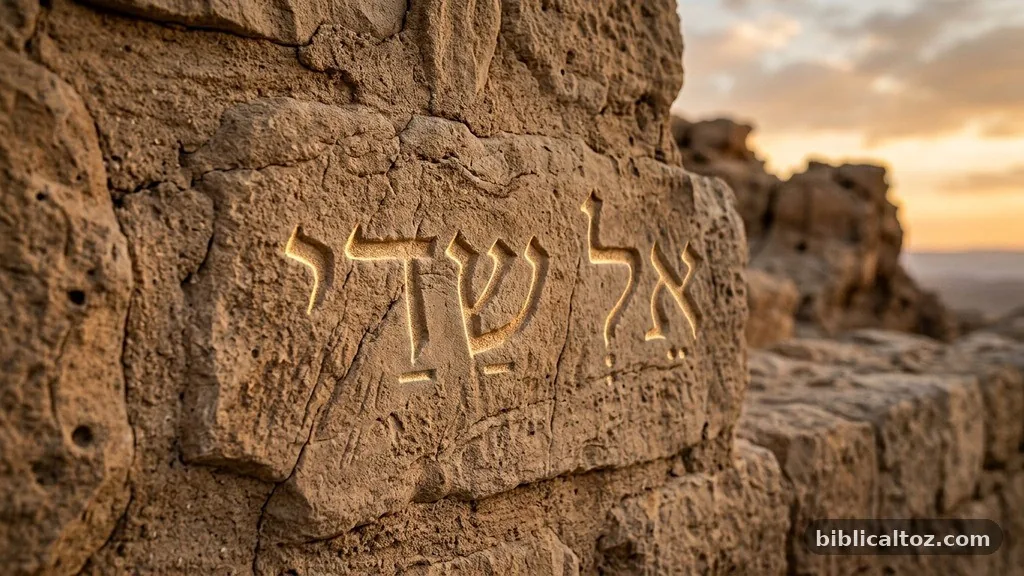
The term is composed of two distinct Hebrew words: El and Shaddai. El is the generic Semitic word for deity, appearing frequently throughout the Ancient Near East to signify power or godhead. The second part, Shaddai, is where scholars find more debate. Because Hebrew roots often have multiple potential meanings, the exact derivation remains a subject of academic discussion.
Some suggest the word connects to the Akkadian term shadû, meaning mountain, which would portray the Lord as an immovable, protective rock. Others look to the Hebrew root shadad, which implies the exertion of force or power, suggesting a deity who is overwhelming or mighty.
A third, traditional view connects the word to the Hebrew shad, meaning breast, implying a God who nourishes and sustains His people. While this last view remains popular in devotional circles, many linguists caution that the etymological link is tenuous and may reflect later rabbinic midrash rather than the original intent of the biblical authors.
El Shaddai in the Pentateuch
The name appears most prominently during the patriarchal narratives in the book of Genesis. It is often the title God uses when reconfirming His promises to Abraham, Isaac, and Jacob. In these moments, the name serves as a bridge between the promise of a future blessing and the current inability of the human participants to bring it about on their own.
The Covenant with Abraham
In Genesis 17:1, God appears to Abram and introduces Himself as “I am the Almighty God.” The Hebrew text records this as El Shaddai. At this point, Abram is ninety-nine years old and his wife, Sarai, is long past childbearing age. By using this specific name, the Lord emphasizes that His ability to fulfill the covenant does not rely on human strength or biological possibility. The name underscores that He possesses the necessary power to overcome the limitations of nature.
Blessings for the Patriarchs
The name continues to surface as the patriarchs pass on their blessings. Isaac invokes this name when sending Jacob to find a wife, and Jacob later uses it when blessing his own sons. In each instance, the context involves the preservation of the family line and the fulfillment of the divine mandate to be fruitful and multiply.
| Context | Biblical Reference | Primary Focus |
|---|---|---|
| Covenant Introduction | Genesis 17:1 | Divine power vs. human limitation |
| Isaac’s Blessing | Genesis 28:3 | Fruitfulness and multiplication |
| Jacob’s Blessing | Genesis 48:3 | Historical remembrance of God’s presence |
The Usage of the Term in the Book of Job
While the Pentateuch uses the name within a covenantal framework, the book of Job employs it as a title for the sovereign judge of the universe. Job and his friends use the name Shaddai more frequently than any other book in the Old Testament. Here, the focus shifts from the promise of prosperity to the reality of divine justice and the mystery of human suffering.
* The name highlights the absolute sovereignty of God over the natural world.
* It emphasizes the justice of the Almighty when human understanding fails.
* The title serves as a reminder that the Creator’s ways are beyond human critique.
In the dialogue between Job and his companions, the name functions as a shield for the character of the Creator. Even when Job feels abandoned, he acknowledges that the Almighty remains the one who governs the lightning, the rain, and the foundations of the earth. The term reinforces that whether in blessing or in loss, the Lord remains the ultimate authority.
Distinguishing the Name from Other Titles
The Bible uses various names for the deity, and each carries a unique nuance. It is helpful to distinguish these to avoid flattening the rich theological vocabulary found in the text.
- Yahweh: The personal, covenantal name of the Lord, often associated with His presence and faithfulness.
- Elohim: The plural form used to denote the majesty, power, and creative force of the one God.
- Adonai: A title of authority, translated as “Lord” or “Master,” emphasizing the relationship between a servant and his superior.
- El Shaddai: A title specifically highlighting the sufficiency and overwhelming power of the Creator to fulfill His promises.
While some argue these names represent different theological traditions, a more balanced approach sees them as complementary lenses. They allow the biblical writers to describe different facets of the same divine reality. Knowing God involves recognizing Him as both the intimate “I AM” and the all-sufficient “Almighty.”
Frequently Asked Questions
What does El Shaddai mean in the original Hebrew?
The term translates most directly to “God Almighty.” While scholars debate the underlying root, the consensus is that it conveys the idea of a powerful, sufficient deity who is capable of sustaining His creation and fulfilling His promises.
Is there a difference between Yahweh and El Shaddai?
Yes. Yahweh is the personal name of the Lord revealed to Moses, signaling His covenant loyalty. El Shaddai is a title that emphasizes His power, sufficiency, and ability to act on behalf of His people, particularly as seen in the lives of the patriarchs.
Why is the term used so often in the book of Job?
The authors of Job likely used this title to emphasize the vast gap between the creator and the created. When human suffering brings life into question, the title serves as a reminder that the Almighty operates on a scale that surpasses human experience.
Does the name imply that God is a provider?
While some traditions link the name to the concept of a nursing mother, this is not the scholarly consensus. However, the title is consistently used in contexts where God is providing for, protecting, or multiplying His people, which naturally leads many to associate the name with divine provision.
Reflecting on Divine Sufficiency
The El Shaddai biblical meaning centers on the idea of a God who is more than enough. Whether He is appearing to Abraham in the desert or speaking to Job from the whirlwind, the title serves as a constant reminder that the Lord is not limited by human weakness. When the patriarchs felt the weight of their own limitations, they leaned on the reality that the Almighty was the one directing their path.
Incorporating this understanding into your own study of the scriptures can change how you view the promises of the text. It invites you to see beyond the immediate circumstances and trust in the character of the one who speaks. If you are interested in digging deeper into the names of God or the historical context of the Old Testament, please explore the other resources available here at BiblicalToZ.com to continue your journey through the Word.