Jehovah Shammah Meaning: God’s Presence in Ezekiel’s Vision
Discovering the true Jehovah Shammah meaning offers a profound look into how the Lord remains present with His people even in times of exile and restoration. This specific title, found only at the very end of the book of Ezekiel, serves as a powerful anchor for the prophet’s complex vision of a future city.
By examining the Hebrew roots and the literary context of this final declaration, you will gain a clearer perspective on how the name reflects God’s enduring character. Understanding this promise helps bridge the gap between ancient prophecy and the comfort believers seek in their own walk with the divine today.
Historical and Literary Context of Ezekiel 48
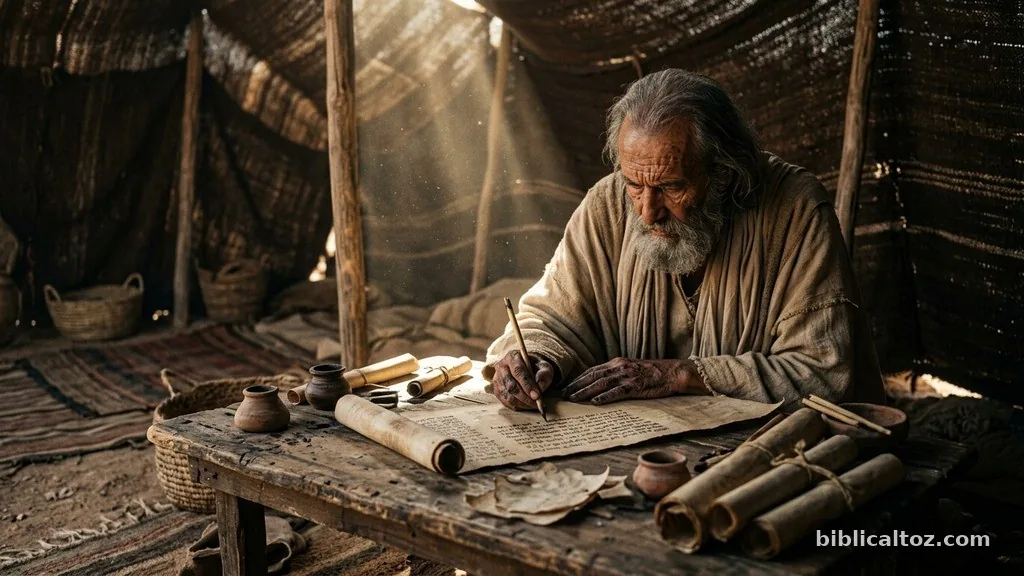
The book of Ezekiel is famously difficult to categorize, shifting from the harsh realities of judgment in Jerusalem to the dreamlike, architectural precision of a future temple. By the time we reach chapter 48, the prophet has spent years declaring that the glory of the Lord departed from the temple because of Israel’s rampant idolatry. The narrative reaches its climax in the final verses, where the focus shifts from the destruction of the old order to the establishment of a new, restored community.
Ezekiel 48:30–35 provides the specific layout of the city, detailing its twelve gates and its dimensions. The city is not merely a geographic location; it is a symbol of God’s covenantal faithfulness.
After the trauma of the Babylonian captivity, these verses offer a vision of order, holiness, and divine proximity. It is here that the prophet identifies the city with a name that signifies the ultimate resolution of Israel’s long spiritual struggle.
Linguistic Analysis: Hebrew Wording and Transliteration
The phrase Jehovah Shammah is a transliteration of the Hebrew words found in Ezekiel 48:35. In the original text, the phrase is written as YHWH Shammah.
The first part, YHWH, is the personal name of God, often rendered as Lord in English Bibles. The second part, Shammah, comes from the Hebrew root meaning there.
| Hebrew Term | Transliteration | Literal Meaning |
|---|---|---|
| יהוה | YHWH (Jehovah) | The LORD |
| שמה | Shammah | There |
When combined, the name functions as a declaration of location. It is not just a description of where God is, but an assertion that His presence is the defining feature of this new city. Unlike other compound names of God that focus on His provision, peace, or righteousness, this name focuses entirely on the fact of His residence among His people.
The Significance of The LORD Is There
The primary significance of this name lies in its contrast to the earlier chapters of the book. Ezekiel began his ministry by witnessing the glory of the Lord leaving the temple in Jerusalem, a moment that signaled the abandonment of the city to its enemies. For the exiles, the greatest fear was not just the loss of land, but the loss of God’s presence.
By naming the city The LORD Is There, Ezekiel confirms that the cycle of departure has ended. The presence of God is no longer a distant memory or a theological abstraction; it is a tangible reality for the inhabitants of this restored state. This name serves as a seal on the entire prophecy, ensuring that the restoration is permanent and that the relationship between the Creator and His creation has been fully reconciled.
Ezekiel’s Vision of Restoration and the City

The vision of the city in Ezekiel 48 is characterized by symmetry and inclusion. The twelve gates, named after the twelve tribes of Israel, suggest that the restoration includes the entire nation, regardless of their past failures. This is a radical shift from the earlier chapters where the tribes were often divided and condemned for their rebellion.
- The city is a perfect square, representing stability and divine order.
- Each gate corresponds to a tribe, symbolizing total unity.
- The central focus is the presence of the Lord, which sanctifies the space.
- The surrounding land is divided to provide for the needs of the people.
This vision of restoration emphasizes that God’s plan for His people always moves toward healing. The city represents a space where the holiness of God and the daily lives of His people finally intersect without the barrier of sin. It is the ultimate goal of the prophetic message—a state of being where God is not just a visitor, but a permanent resident.
Comparative Analysis: This Vision vs. Earlier Temple Visions
Ezekiel’s earlier temple vision in chapters 40 through 43 was highly ritualistic, focusing on the strict boundaries between the sacred and the profane. In those chapters, the measurements were designed to keep the people at a distance, emphasizing the holiness of God that could be dangerous to sinful humanity.
In contrast, the vision at the end of chapter 48 is more inclusive and communal. While the holiness of God remains the central pillar, the emphasis shifts to how that holiness permeates the city.
The earlier vision was about the architecture of worship, whereas the final vision is about the architecture of community. The presence of the Lord is no longer confined to a secret chamber behind a veil; it is the name of the entire city.
Theological Implications: God’s Presence in Judgment and Hope
The book of Ezekiel teaches that judgment and hope are not contradictory, but are two sides of the same coin. The judgment was necessary to purge the corruption that made the presence of God impossible in the old temple. Once the purging was complete, the way was cleared for a new, purified form of communion.
This tension is vital for understanding the character of God. He is a consuming fire who cannot tolerate sin, yet He is also a shepherd who longs to dwell with His flock.
The name Jehovah Shammah encapsulates this theological balance perfectly. It serves as a reminder that God’s presence is the ultimate reward for those who have been refined by the fires of discipline and repentance.
Christian Application and Biblical Promises
For the modern Christian, the promise of God’s presence is central to the faith. While the specific vision of the city in Ezekiel is a prophetic picture, it points toward the New Testament reality of the Holy Spirit. Jesus promised that He would be with His followers to the end of the age, a fulfillment of the desire for God to be among His people.
It is important to clarify what this passage does and does not promise. It does not promise that believers will be immune to suffering or that they will live in a physical city of perfection on this earth.
Instead, it promises that God’s presence is the defining reality of the believer’s life. Even in the wilderness of personal trial, the believer can claim the assurance that the Lord is there, standing in the midst of their circumstances.
Frequently Asked Questions (FAQ)
Does the phrase Jehovah Shammah appear anywhere else in the Bible?
No, this specific title appears only once in the entire Bible, at the very end of Ezekiel 48:35. It is a unique designation for the city in the prophet’s final vision and is not used as a common name for God throughout the rest of the scriptures.
Is Jehovah Shammah a name for God or a name for a city?
Technically, it is the name given to the city in Ezekiel’s vision. However, because the name means The LORD Is There, it functions as a description of God’s character and His relationship to that place. It identifies the city by the most important attribute it possesses: the presence of the Lord.
How does this vision relate to the New Jerusalem in Revelation?
Many scholars see a strong connection between Ezekiel’s final vision and the New Jerusalem described in the book of Revelation. Both visions feature a city with twelve gates, a focus on the presence of God, and a sense of complete restoration where the barrier between heaven and earth is removed.
Why did the glory of the Lord leave the temple in the first place?
According to Ezekiel’s earlier visions, the glory of the Lord departed because the leadership and the people of Israel had filled the temple with idols and detestable practices. The holiness of God could not coexist with the rampant corruption that had taken root in the heart of the nation.
What does this name teach us about God today?
The name teaches that God is not distant or indifferent to the struggles of His people. It provides comfort by reminding believers that, through the Holy Spirit, God’s presence is not limited to a physical building or a specific location, but is available wherever His people are gathered.
Conclusion
The study of the Jehovah Shammah meaning reveals a God who is deeply committed to dwelling with His creation. While the prophecy in Ezekiel pointed toward a future restoration for Israel, it also provides a timeless truth for every believer: the Lord is present in the midst of both our brokenness and our restoration.
By recognizing that His presence is the most valuable aspect of our spiritual journey, we can find stability regardless of our external circumstances. This name stands as a permanent reminder that you are never truly alone, as the Lord is there with those who seek Him.
If you are looking to deepen your understanding of the names of God and the historical context of the prophets, we invite you to explore the resources available at BiblicalToZ. We are dedicated to providing clear, Bible-centered insights to help you grow in your walk with the Lord. Join our community today and continue your journey through the scriptures.