Romans 8:28 Scripture Breakdown: Meaning and Context
Gaining a clear understanding of the Romans 8:28 scripture breakdown requires looking past the surface of a popular wall-hanging verse to see the heart of the apostle Paul’s argument. Many people treat this passage as a blanket promise that every negative event is inherently positive, yet the biblical text offers something far more grounded and stable.
By examining the context of the Roman epistle, we discover how God weaves the complexities of our lives into a grander narrative of redemption. This analysis provides the tools to interpret the passage accurately, helping you see how faith interacts with the reality of suffering and divine sovereignty.
The Context of the Roman Epistle
To properly handle a Romans 8:28 scripture breakdown, we must recognize that Paul is not writing in a vacuum. He is midway through an intense argument regarding the life of the believer in the Spirit.
Just prior to this verse, Paul addresses the groaning of creation and the weakness of our own prayers. He acknowledges that life in this fallen world is marked by genuine pain and confusion.
The apostle is addressing a community of believers in Rome who faced significant social and political pressure. He is building a case for the security of those who belong to Jesus.
When he writes that God works all things together for good, he isn’t suggesting that every individual event is inherently “good” in a vacuum. Rather, he is arguing that God is sovereignly directing the trajectory of history and the lives of His people toward a singular, ultimate destination: conformity to the image of His Son.
Breaking Down the Key Phrases
Every word in this verse carries theological weight. If we look at the components, we see a logical flow that protects us from misinterpreting the promise as a shallow optimism.
We Know

Paul begins with confidence. This isn’t a theory or a hopeful guess; it is a settled conviction of the Christian faith. The “knowing” here is experiential knowledge rooted in the character of God. It is the steady anchor that holds the believer during seasons of doubt.
All Things Work Together
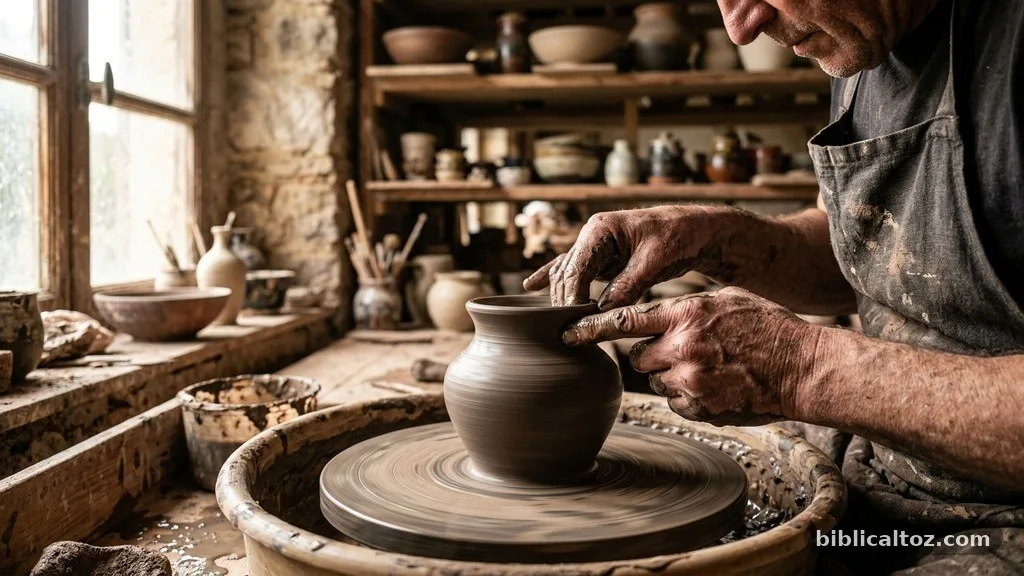
This is the core of the Romans 8:28 scripture breakdown. The Greek phrasing suggests a collaborative effort where various ingredients are blended. Think of baking: salt and flour alone might not be pleasant, but when combined and baked, they form something necessary and life-sustaining. God is the master artisan who orchestrates the disparate pieces of our lives—our joys, our failures, our delays, and our sorrows—to produce a final outcome that serves His purposes.
For Good
What is this “good”? Popular culture often defines it as personal comfort, financial success, or the absence of conflict. However, the biblical definition of good is tethered to the next part of the verse. It is not necessarily what feels good in the moment, but what is objectively good for our eternal standing and our character.
To Those Who Love God
This is the specific group to whom the promise applies. It is not a universal mandate for every person on earth regardless of their relationship with the Creator. It is a covenantal promise for those who have been reconciled to God through Jesus and who demonstrate that faith through a life of love and obedience.
Called According to His Purpose
The “calling” refers to the divine initiative of God in salvation. He is the one who initiates the relationship. His “purpose” is the ultimate goal of redemption. When we face hardship, we are being held within the framework of that divine calling, which ensures that no circumstance can derail the ultimate plan He has for His family.
Theological Significance and Interpretation
The beauty of this passage is found in its connection to the verses that follow. Paul immediately clarifies that the “good” is being conformed to the image of Jesus. If the ultimate goal is to become more like Christ, then the “things” working together might include the very suffering that refines our character.
| Concept | Common Misconception | Biblical Reality |
|---|---|---|
| The “Good” | Personal comfort or wealth | Conformity to the image of Christ |
| “All Things” | Everything is inherently perfect | A mix of trials and blessings refined by God |
| The Target | Everyone on earth | Those who love God and are called |
This table highlights why a careful Romans 8:28 scripture breakdown is so vital. By correcting our expectations, we stop asking why a specific tragedy happened and start asking how God is using the situation to shape our hearts.
Practical Application for Daily Life
Applying this truth does not mean ignoring the pain of a difficult week. It means choosing to view that week through the lens of divine providence. When you encounter a setback, you can acknowledge the frustration while simultaneously trusting that God is not surprised or defeated by it.
- Practice lament: It is okay to express sadness to God; Jesus did it, and the Psalms are full of it.
- Identify the growth: Ask yourself how a current challenge might be stripping away pride or building patience.
- Focus on the calling: Remember that your identity is rooted in being called by God, not in your current circumstances.
- Pray for perspective: Ask the Holy Spirit to help you see your current “things” as part of the larger tapestry He is weaving.
Frequently Asked Questions
Does Romans 8:28 mean that everything happens for a reason?
While this is a common sentiment, the Bible does not suggest that every event is a direct, pre-ordained action by God. We live in a fallen world where sin and human choices cause real damage. However, the verse promises that God is powerful enough to take those events—even the ones caused by the sins of others or our own mistakes—and weave them into His sovereign plan for our ultimate good.
What does it mean to be called according to his purpose?
This phrase describes the divine initiative of God. It implies that before we ever chose to love Him, He had already set a purpose for our lives. Our “calling” is the invitation into His family, and His “purpose” is the grand design of redemption that spans from eternity past to eternity future. We are participants in a plan that is much larger than our individual lives.
Is this verse a promise that my life will be easy?
No. In fact, the context of Romans 8 is deeply focused on the reality of suffering. Paul discusses the groanings of the Spirit and the pressures of life. The promise is not that you will be shielded from pain, but that your pain will not be wasted. It is a promise of divine companionship and purpose in the midst of a difficult journey.
Why did Paul write this in the book of Romans?
Paul wrote this to a church that was experiencing tension, persecution, and the theological challenge of living as a holy people in a pagan empire. He needed to assure them that their suffering did not mean God had abandoned them. By providing this theological foundation, he gave them the strength to endure, knowing that their current trials were not the final chapter of their story.
Conclusion
The Romans 8:28 scripture breakdown reveals a God who is intimately involved in the details of our lives, even when the path is rugged. This promise does not offer a life free from trouble, but it offers something far better: a life that is never lived in vain. Every trial, every joy, and every moment of confusion is being used by the Creator to refine us into the likeness of Jesus.
As you reflect on these truths, take comfort in the fact that your current circumstances are being held by a sovereign hand. We invite you to continue exploring the depths of Scripture with us at BiblicalToZ as you seek to align your heart with the unchanging purposes of God. Your journey of faith is significant, and you are never walking it alone.