John 3:16 Meaning and Biblical Commentary
Exploring the John 3:16 meaning and biblical commentary reveals why this single sentence has captured the hearts of millions across centuries. It is not merely a comforting slogan but a profound theological pivot point in the Gospel of John.
By examining the conversation between Jesus and Nicodemus, we move beyond superficial readings to grasp the weight of the incarnation and the necessity of belief. This analysis invites you to look closely at the Greek text and the historical context, ensuring you walk away with a deeper, more accurate understanding of how God’s love functions in the life of a believer.
The Historical Setting of the Conversation
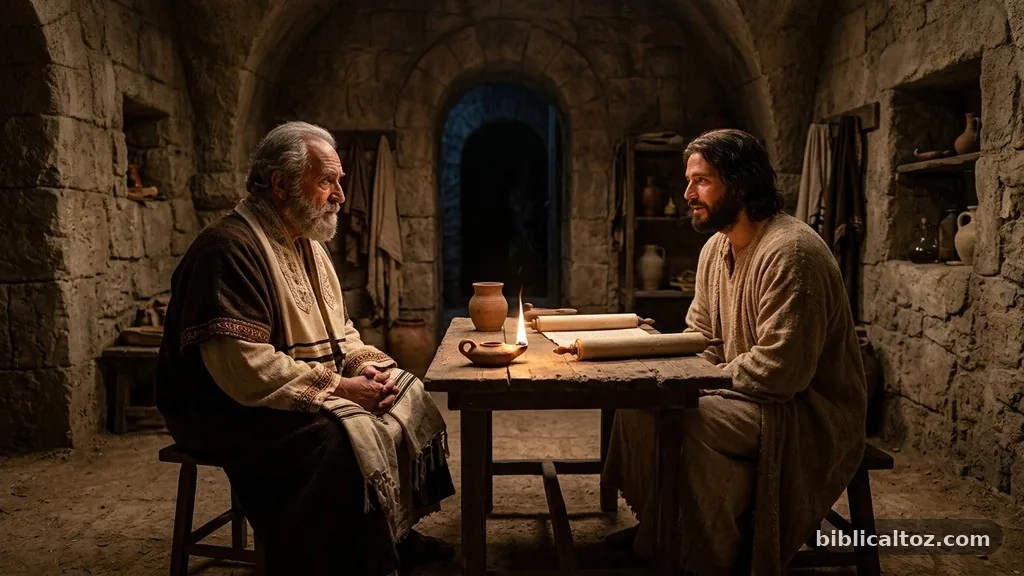
To understand the weight of the words spoken in John 3:16, we must first look at the person listening. Nicodemus was a Pharisee, a member of the ruling council, and a man deeply invested in the legalistic tradition of his day. He approached Jesus under the cover of night, perhaps seeking a secret debate or genuine spiritual clarity.
Jesus did not offer him a polite platitude. Instead, he challenged the very foundation of Nicodemus’s religious identity by speaking of being “born again.”
This concept of a spiritual rebirth was radical. It shifted the focus from human effort and adherence to the Mosaic law toward a transformative act initiated by the Father.
Breaking Down the Verse
When we analyze the verse structure, we find a logical progression that defines the heart of the Christian faith. The verse begins with the motive of the Creator, moves to the sacrifice of the Son, and concludes with the invitation to humanity.
God So Loved the World
The phrase “God so loved the world” is often misunderstood as a general statement of cosmic sentimentality. In the original language, the emphasis is on the intensity and the nature of this love. It was not a love that stayed distant; it was a love that moved toward an object that was, in many ways, hostile to its values.
The “world” here refers to the entirety of humanity—not just the chosen few or the religiously observant. This universal offer of grace was shocking to a first-century Jewish audience that expected the Messiah to focus exclusively on the nation of Israel.
The Gift of the Only Son
The sacrifice mentioned here is central to the gospel message. The Greek term used for “only begotten” or “one and only” highlights the uniqueness of the relationship between the Father and the Son. This was not a secondary agent or a created being; it was the second person of the Trinity entering into human history.
| Concept | Theological Significance | Practical Implication |
|---|---|---|
| God’s Love | Self-sacrificial and proactive | We do not earn favor; we receive it. |
| The Son | The embodiment of God’s character | Jesus is the only way to the Father. |
| Belief | Active trust, not mere agreement | Life transformation follows faith. |
What It Means to Believe
The requirement for receiving eternal life is “belief.” In our modern context, we often mistake belief for intellectual assent—the simple agreement that a set of facts is true. However, in the context of the Gospel of John, to believe is to commit one’s life to the object of that belief.
It implies a total reliance on the person and work of Jesus Christ. Just as a person drowning relies entirely on the rope thrown to them, the believer relies entirely on the finished work of the Son. This faith is not a one-time intellectual exercise but a posture of the heart that remains constant.
The Promise of Eternal Life

“Eternal life” is another term frequently flattened by modern usage. It is not just a reference to living forever in a chronological sense. Instead, it speaks to a quality of life that begins the moment a person places their faith in Christ.
* It is the restoration of the relationship broken in the Garden of Eden.
* It provides a new lens through which to view trials and suffering.
* It grants the believer a citizenship that transcends earthly political or cultural boundaries.
* It involves the indwelling of the Holy Spirit, guiding the believer toward holiness.
Practical Application for the Believer
Applying the depth of this passage to your daily life requires moving from theology to practice. If we truly grasp that we are loved by the Creator, our response to the world around us must change.
We should begin by examining our own motives. Are we operating out of a fear of judgment, or are we working from a position of security in His love? When we realize our standing is secure because of what the Son did, we are freed from the constant pressure to perform or prove our worthiness.
Furthermore, this truth should shape how we treat others. If God loved the entire world—including those who seem unlovable or opposed to our beliefs—we are called to extend that same grace. It means prioritizing reconciliation and patience, reflecting the character of the Father who first loved us.
Frequently Asked Questions
Why is this verse considered the most important in the Bible?
Many theologians view it as the “gospel in miniature.” It summarizes the entire narrative of Scripture: the fall of humanity, the love of God, the provision of the cross, and the offer of redemption through faith.
Is John 3:16 a promise of universal salvation?
No. The verse explicitly attaches a condition to the promise: “that whoever believes in him.” It presents a clear choice between perishing and having eternal life, emphasizing that faith is the necessary response to the gift of the Son.
How do I know if my faith is real?
True faith is evidenced by a change in direction. While no one is perfect, a person who truly believes will demonstrate a desire to know God, a repentance for sin, and a growing fruit of the Spirit in their daily life.
What does it mean that God loved the world?
It means His redemptive plan was never limited to a specific tribe or nation. It reveals a heart that desires the restoration of all creation, inviting every person, regardless of their background, to return to Him.
Can I lose the eternal life promised in this verse?
The term “eternal” signifies a permanent state. Once a person is truly born of the Spirit and placed in the hand of the Son, their security rests on His character and power, not on their own ability to maintain their standing.
Refining Your Walk with God
Understanding the true weight of the John 3:16 meaning and biblical commentary changes how we interact with the scriptures. It reminds us that we are part of a grand, historical story of redemption that began long before us and continues through our lives today. When we stop viewing these words as a static slogan and start seeing them as an active, living invitation, our faith becomes more resilient.
If you are looking to deepen your study of the scriptures, we invite you to explore more resources at BiblicalToZ.com. Whether you are investigating the foundations of the faith or seeking to grow in your daily walk, there is always more to discover in the word of God. We are here to support your journey as you seek to know Him more intimately through the study of His truth.