The Parable of the Talents: Meaning and Lessons
The Parable of the Talents appears in Matthew 25:14-30, offering a profound look at stewardship, responsibility, and the expectation of spiritual growth. When Jesus told this story, he described a master who entrusted his wealth to his servants before embarking on a long journey, setting the stage for a reckoning upon his return.
Understanding the weight of this narrative requires looking past modern definitions of talent as natural ability and considering the ancient economic context of the term. By examining the choices made by each servant, you gain a clearer picture of what it means to live a life of faithful service while awaiting the return of the Lord.
Understanding the Context of the Master and Servants
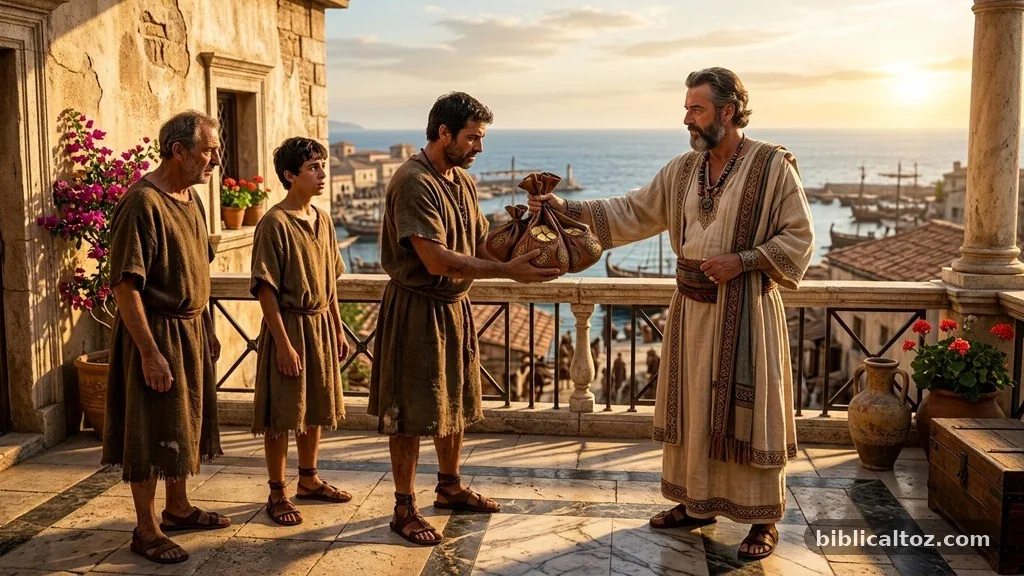
In the ancient world, a talent was not a skill; it was a massive unit of currency, representing a significant weight of precious metal like silver or gold. When the master delivered these assets to his servants, he was placing a staggering amount of responsibility into their hands. The text notes that he gave to each according to their individual ability, suggesting that the master understood his servants’ distinct capacities.
The distribution of these resources follows a specific pattern of investment:
- The first servant received five talents, which he immediately put to work to gain five more.
- The second servant received two talents and similarly doubled his portion through diligent labor.
- The third servant received one talent, but out of fear, he chose to bury the treasure in the ground.
This division illustrates that the master did not expect identical results from everyone, but he did expect a return on his investment from each person. The servants were not owners of the wealth; they were stewards tasked with managing the master’s property during his absence.
The Response to Stewardship
The core of the conflict arises when the master returns to settle accounts. The servants who had doubled their talents were commended as good and faithful, receiving an invitation to enter into the joy of their lord. Their success was not defined by the total amount they produced, but by their willingness to take action with what they were given.
| Servant | Initial Investment | Outcome | Master’s Response |
|---|---|---|---|
| First | 5 Talents | +5 Talents | Commended as faithful |
| Second | 2 Talents | +2 Talents | Commended as faithful |
| Third | 1 Talent | 0 Gain | Rebuked as wicked and slothful |
The third servant, however, offered an excuse rooted in fear and a distorted view of his master’s character. He claimed to know the master as a harsh man who reaped where he did not sow, using this perception as a justification for his inactivity. His failure was not a lack of resources, but a lack of trust and a refusal to work.
Common Misconceptions About the Parable

Many readers often confuse the concept of talents in the Bible with modern natural abilities, such as playing music or public speaking. While you may use your natural skills to serve, the parable focuses on the responsibility of managing the resources of the Kingdom of God. The primary concern is not your innate talent, but your faithfulness in utilizing whatever God has entrusted to you.
Another common misunderstanding involves the idea of earning salvation through works. The master’s judgment is based on the servant’s faithfulness to the mission, revealing their inner heart and relationship with the master. The reward—entering into the master’s joy—is a reflection of the servant’s alignment with the master’s will rather than a simple wage for labor performed.
Applying the Lessons to Daily Life
Living out the principles found in Matthew 25 requires a shift in perspective regarding your time, energy, and resources. Every aspect of your life is a gift from God, and the way you manage these gifts serves as a testimony to your belief in his return. Faithful service often looks like small, consistent acts of obedience rather than grand, public achievements.
Consider these practical ways to apply the message:
- Identify the resources you currently possess, including your time, influence, and material wealth.
- Examine your motives to ensure you are not acting out of fear or a desire to hide from responsibility.
- Seek opportunities to invest your life in the lives of others, contributing to the growth of the Kingdom.
- Practice accountability by recognizing that you will one day give an account to God for how you used his gifts.
Frequently Asked Questions
What does the word talent mean in this parable?
In the context of the Bible, a talent was a unit of weight and currency representing a large sum of silver or gold, not a personal skill or aptitude.
Why did the master punish the servant who buried his talent?
The servant was punished because he acted out of fear and laziness, failing to do anything productive with the resources entrusted to him by his master.
Is this parable about how to get rich?
No, the story is a metaphorical teaching about spiritual stewardship and the accountability of believers regarding the responsibilities God has placed in their care.
What is the main message of this story?
The primary message is that God expects his followers to be faithful, active stewards of the gifts and opportunities he provides while they await his return.
How does this relate to the return of Jesus?
The master represents Jesus, and the long journey represents the time between his ascension and his eventual second coming, during which his followers must remain active.
Are the rewards for the servants the same?
Both faithful servants received the same commendation and invitation to enter into their master’s joy, highlighting that faithfulness is the true measure of success.
Does the parable suggest God is harsh?
The third servant perceived the master as harsh, but his own words were used to expose his lack of love and trust, rather than proving the master’s character was actually cruel.
How can I be a better steward today?
You can be a better steward by praying for wisdom to use your time and resources for the benefit of others and by acting with courage rather than fear.
Reflecting on Your Stewardship
The Parable of the Talents serves as a compelling call to move beyond passive belief and into active, faithful living. It challenges you to examine whether you are hiding your gifts due to fear or investing them with the confidence that you are working for the Lord.
By shifting your focus from the size of your resources to the sincerity of your stewardship, you align your life with the purpose of the Kingdom. As you reflect on the account you will one day give, let this story encourage you to take the next step in your walk of faith, using whatever you have been given to honor the one who provided it.