Book of Isaiah Explained: Themes, Prophecies & Meaning
When you begin the book of Isaiah explained through a lens of historical and theological inquiry, you encounter one of the most influential texts in the Old Testament. This prophetic work serves as a bridge between the warnings of impending judgment and the promise of a future, restored kingdom.
By examining the context of the prophet’s ministry, you gain a clearer understanding of how his message of hope resonates both in the ancient Near East and within later religious traditions. Whether you are seeking to interpret complex visions or searching for the origins of key Messianic passages, this analysis provides the foundational knowledge necessary for your study.
Who Was Isaiah?
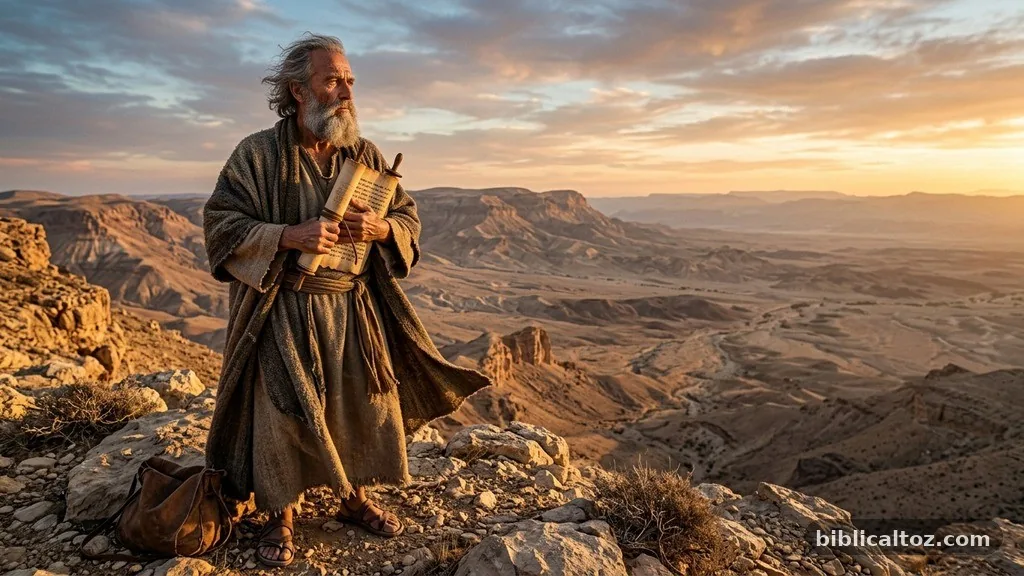
Isaiah, the son of Amoz, was a prophet who lived and ministered in Jerusalem during the eighth century BCE. His prophetic career spanned the reigns of four Judean kings: Uzziah, Jotham, Ahaz, and Hezekiah. This was a period of immense political instability, characterized by the rising threat of the Neo-Assyrian Empire.
As a prophet, Isaiah was deeply embedded in the royal court, acting as a spokesperson for divine judgment and national policy. He did not merely speak to the common people; he held kings accountable for their reliance on foreign alliances rather than on the sovereignty of God. His ministry was marked by a call to holiness, demanding that the nation return to its covenantal obligations while warning of the devastating consequences of national rebellion.
When Was Isaiah Written?
The composition of the text is a subject of significant scholarly debate, often divided into discussions of single versus multiple authorship. Many traditional views attribute the entire work to the eighth-century prophet Isaiah of Jerusalem. In contrast, academic consensus often identifies three distinct sections likely composed over several centuries.
The first section, chapters 1 through 39, is traditionally associated with the historical Isaiah of the eighth century. The second section, chapters 40 through 55, is frequently linked to a period during the Babylonian exile, while the third section, chapters 56 through 66, reflects the post-exilic concerns of the returning community. Regardless of the specific timeframe of composition, the book functions as a unified theological statement, reflecting a long-term development of thought regarding the nature of God and the future of Israel.
Structure of the Book of Isaiah
To grasp the book of Isaiah meaning, it is helpful to view its structure as a progression from judgment to consolation. The text is broadly organized into three movements that track the historical and spiritual trajectory of the people.
- Chapters 1–39: Focused primarily on judgment against Judah, Jerusalem, and the surrounding nations for their pride and social injustice.
- Chapters 40–55: A shift toward comfort, describing the end of the Babylonian exile and the promise of a new exodus led by God.
- Chapters 56–66: Centered on the establishment of a new Jerusalem, the inclusion of foreigners, and the final victory of the divine kingdom on earth.
Isaiah’s Message About Sin and Judgment
The prophetic warnings in this book are often sobering. Isaiah confronts the systemic issues of his society, including the mistreatment of the poor, the corruption of judicial processes, and the empty performance of religious rituals. For Isaiah, the people’s rebellion was not just a series of moral failings; it was a fundamental rejection of God’s rule.
The judgment described is not arbitrary. It is presented as the natural consequence of turning away from the source of life.
By seeking security in military might and idols, the nation had effectively dismantled its own foundation. The prophet’s persistent call for repentance underscores the reality that sin has tangible, destructive effects on both individuals and the collective community.
The Holiness of God
At the center of the prophet’s mission is the vision of God’s holiness, famously detailed in chapter 6. This encounter in the temple, where Isaiah witnesses the seraphim calling out that God is holy, serves as the defining moment of his vocation. It establishes the theological framework for the entire book: God is set apart, pure, and utterly distinct from the moral failures of humanity.
This awareness of divine holiness forces a recognition of human impurity. Isaiah’s immediate reaction—crying out that he is a man of unclean lips—highlights the gap between the Creator and the creature. This theme of holiness persists throughout the text, reminding the reader that restoration is only possible through the purifying work of God, not through human effort.
Hope and Restoration in Isaiah
Despite the heavy emphasis on judgment, the message of hope is perhaps the most enduring aspect of the book. As the narrative moves into the later chapters, the focus shifts to the promise of a new creation. The imagery of the desert blooming and the scattered people of God returning home provides a vision of peace that transcends historical circumstances.
This hope is not merely a return to the past; it is the anticipation of a future where God’s kingdom is established. The promise of a new Jerusalem suggests a space where justice and righteousness dwell, offering an eternal perspective that moves beyond the immediate political anxieties of the ancient world.
The Servant Songs Explained
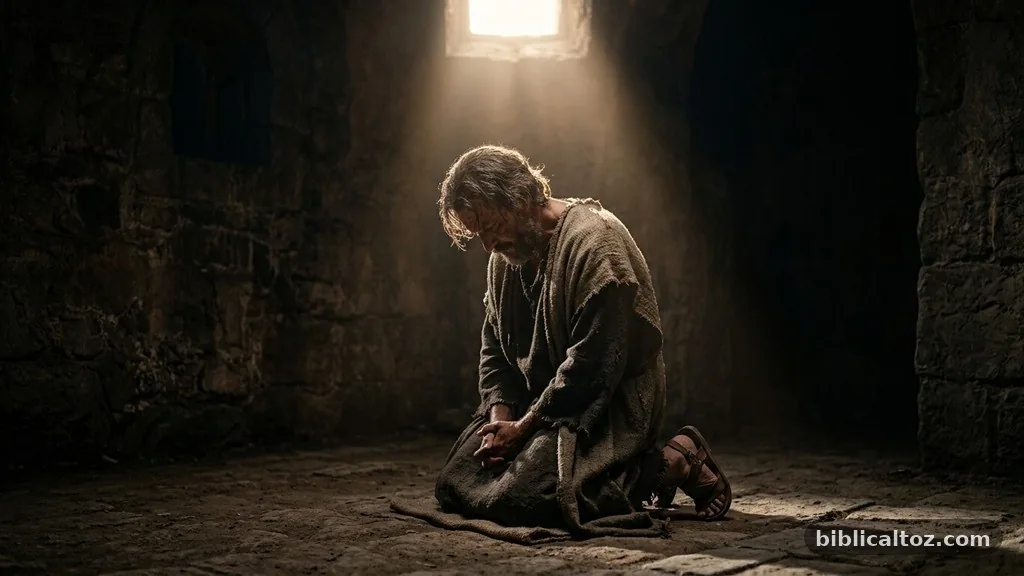
The servant songs represent a unique sub-genre within the text, appearing in chapters 42, 49, 50, and 52–53. These passages describe a mysterious figure chosen by God to bring justice to the nations.
The identity of this servant remains one of the most debated topics in biblical studies. At times, the servant is identified with the nation of Israel as a whole, tasked with being a light to the Gentiles.
In other instances, the description suggests an individual figure who suffers on behalf of others. This tension between the corporate and individual identity of the servant is central to how the message of the book is interpreted across different religious traditions.
Isaiah’s Messianic Passages
The text contains several famous prophecies that have been historically interpreted as pointing toward a future Messianic figure. These passages, such as those found in chapters 7, 9, and 11, describe a ruler from the line of David who will bring about a reign of peace.
In the Christian tradition, these are viewed as direct prophecies concerning Jesus. From an academic and historical perspective, these verses were initially addressed to the immediate political crises of the eighth century, such as the Syro-Ephraimite war. The power of these passages lies in their ability to speak to the immediate needs of the original audience while simultaneously projecting a future, universal hope that later writers found fulfilled in the life and ministry of Jesus.
Isaiah 7:14 Explained
This verse, which speaks of a young woman conceiving and bearing a son named Immanuel, is one of the most discussed segments of the book. In its historical context, it served as a sign to King Ahaz that God would provide deliverance from the immediate threat of invading armies.
The Hebrew term used, ‘almah’, typically refers to a young woman of marriageable age. While later translations used the Greek term for virgin, the original intent was to provide a sign that would come to fruition within the lifetime of the king. Christian interpretation has long utilized this passage to signify the virgin birth, viewing the historical sign as a type that finds its ultimate expression in the New Testament narrative.
Isaiah 9:6 Explained
This passage describes a child who will be born to sit on the throne of David, carrying titles such as Wonderful Counselor, Mighty God, Everlasting Father, and Prince of Peace. It is a powerful declaration of the hope for a righteous monarch who would restore the glory of the kingdom.
Historically, this likely referred to a royal heir in the Davidic line, perhaps Hezekiah, whose reign brought a temporary respite from the pressure of the Assyrians. The language, however, is grand and hyperbolic, characteristic of royal coronation psalms. The theological weight of these titles ensures that the passage remains a cornerstone for those looking for a divine ruler who embodies the character of God in the act of governing.
Isaiah 53 Explained
Often referred to as the song of the suffering servant, this section provides a profound meditation on the nature of vicarious suffering. It describes a figure who is despised and rejected, yet who bears the griefs and sorrows of the people.
This chapter is central to the Christian understanding of atonement. The passage suggests that the servant’s suffering is not a result of his own sin, but an act of intercession that brings healing to others. While the historical context likely points to the collective suffering of the people of Israel during the exile, the language of sacrifice and redemption has made this passage uniquely significant for theological reflection on the purpose of suffering.
Isaiah and the New Testament
The impact of this book on the New Testament is immense, as the authors of the Gospels and the Epistles frequently turned to these writings to explain the significance of Jesus. The book is quoted or alluded to more often than almost any other prophetic work in the New Testament.
From the baptism of Jesus to the description of his crucifixion, the language and themes of the servant songs are woven into the very fabric of the apostolic message. The writers interpreted the promise of a new creation and the restoration of Israel as having been initiated by the arrival of the kingdom of God, finding in the text a scriptural basis for their theology of redemption.
Major Themes in Isaiah
| Theme | Description |
|---|---|
| Divine Sovereignty | God is the ultimate ruler over history, nations, and the cosmos. |
| Holiness | The absolute purity and set-apart nature of God that demands a response. |
| Judgment | The necessary consequence of human rebellion and systemic injustice. |
| Restoration | The promise that God will create a new future for His people. |
| Messianic Hope | The expectation of a righteous king who will establish lasting peace. |
Frequently Asked Questions
What is the main lesson of the book?
The primary message is that while human rebellion leads to inevitable consequences, God’s ultimate purpose is the restoration and redemption of His people and the establishment of a righteous kingdom.
How many wives did the prophet have?
The text mentions a prophetess as his wife in chapter 8, but there is no historical record indicating he had multiple wives.
Which part of the book did Jesus read?
In the Gospel of Luke, Jesus reads from the scroll of Isaiah, specifically the passage now known as chapter 61, which speaks of the spirit of the Lord being upon the speaker to bring good news.
Who actually wrote the book?
Scholarly views vary; some attribute it to a single prophet, while many others suggest it is a composite work written by the prophet Isaiah and his followers over several centuries.
Why was the book written?
It was written to confront the people of Judah regarding their sins, to warn them of coming judgment, and to offer comfort to those who remained faithful during times of exile.
How does the book describe the Messiah?
The Messiah is described as a righteous king, a descendant of David, and a suffering servant who brings justice and salvation to all nations.
What does the term Immanuel mean?
Immanuel is a Hebrew word that translates to God with us, signifying the presence and protection of God in the midst of national crisis.
Is the book only about future predictions?
No, it is primarily a collection of sermons, warnings, and messages addressed to the people of the prophet’s own time, though it contains forward-looking visions of the future.
How does the book address the inclusion of foreigners?
The later chapters contain a vision where foreigners are welcomed into the house of God, indicating that the promises of the kingdom are meant for all peoples, not just Israel.
What is the significance of the new heaven and new earth?
This imagery represents the final transformation of the world, where the old patterns of sin and suffering are replaced by a permanent state of righteousness and divine presence.
The book of Isaiah remains a vital piece of literature because it grapples with the tension between human failure and divine grace. When you study the book of Isaiah explained in its context, you see a message that refuses to ignore the realities of injustice while simultaneously refusing to abandon the hope of a better future. The movement from the sobering warnings of judgment to the grand, sweeping promises of restoration provides a framework for understanding the resilience of hope.
Engaging with these chapters invites you to reflect on your own role in the world and the potential for renewal. Whether you approach it as a historical document, a piece of poetic literature, or a sacred text, the themes of holiness and redemption continue to offer profound insight. By continuing your study, you can further explore how these ancient words speak to the challenges of your own life and the broader human experience.