Desert Symbolism in the Bible: Meaning, Significance & Verses
When we look at the dry, rugged landscapes that appear throughout the text, understanding desert symbolism in the Bible helps us see how God shapes His people. Rather than being mere geographical markers, these arid regions often serve as the stage for divine encounter, testing, and transformation.
By examining the biblical context of these desolate places, we can better grasp why they were so essential for the spiritual development of characters like Moses, Elijah, and even Jesus. Whether you are seeking comfort during a difficult season or trying to interpret the imagery found in the book of Psalms or the Gospels, recognizing how these spaces function reveals much about the heart of God.
What Does Desert Symbolism in the Bible Mean?
In the biblical narrative, deserts are rarely just places of death. Instead, they function as a “wilderness“—a space set apart from the comforts of civilization. The primary associations include:
- Separation: A place to leave behind the distractions of the world.
- Dependence: A location where survival relies entirely on divine provision.
- Refining: A crucible for testing character, patience, and faithfulness.
- Preparation: A training ground before entering a new phase of ministry or life.
Desert Symbolism in the Bible in the Old Testament
The Old Testament frequently uses the wilderness to depict the journey of the people of Israel. It is the place where their relationship with God was forged in the heat of necessity.
The Exodus Journey
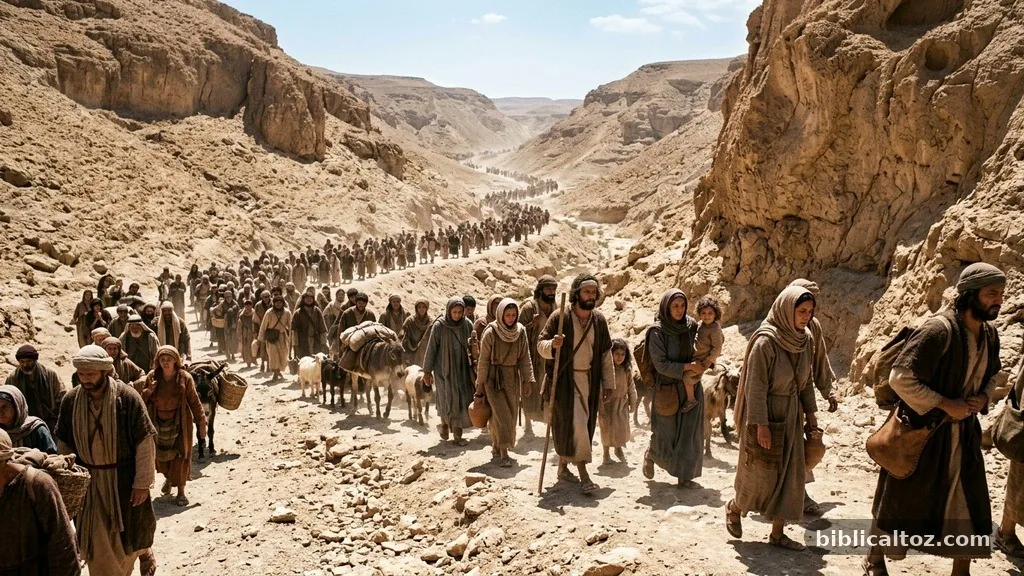
Bible Reference: Exodus 16:1–4 Biblical Context: After leaving Egypt, the Israelites found themselves in the vast, empty desert of Sin without food. Meaning: The desert serves as a reality check. It stripped away the false security of Egypt and forced the people to look to God for their daily bread. Why It Matters: It teaches that even in our most desperate physical states, the Lord is present and capable of sustaining us through supernatural provision.
Elijah in the Wilderness
Bible Reference: 1 Kings 19:4–8 Biblical Context: Fleeing from Jezebel, the prophet Elijah collapsed in the desert, exhausted and discouraged. Meaning: Here, the desert is a place of burnout and restoration. God provided rest and nourishment, proving that even a powerful prophet needs a space to be ministered to by the Creator. Why It Matters: It reminds us that God meets us in our exhaustion, providing the strength needed for the road ahead.
Desert Symbolism in the Bible in the New Testament
The New Testament continues the theme of the desert as a place of preparation, most notably through the life of Jesus. While the Old Testament focused on the corporate journey of Israel, the New Testament often highlights the desert as a site for individual spiritual victory.
The Temptation of Jesus
Bible Reference: Matthew 4:1–2 Biblical Context: Immediately after His baptism, Jesus was led by the Spirit into the desert to be tempted by the devil. Meaning: The desert acts as a site for spiritual warfare and proving one’s identity. Jesus faced hunger and deception, yet He remained rooted in Scripture. Why It Matters: This establishes that the wilderness is not just for suffering; it is a place where we can gain victory over darkness by clinging to the truth of God’s word.
Major Biblical Meanings of Desert Symbolism in the Bible
A Place of Divine Revelation
In the silence of the desert, the noise of society fades. Many figures in the Bible, including Moses at the burning bush, received profound revelations from God when they were far removed from their usual surroundings.
A Place of Testing and Obedience
The desert is a test of the heart. It reveals what we truly believe about God’s character. When resources are scarce, our true allegiances rise to the surface, showing whether we trust in the Lord or in our own efforts.
Important Bible Passages About Desert Symbolism in the Bible
| Reference | Context | Spiritual Significance |
|---|---|---|
| Deuteronomy 8:2 | Israel’s 40-year journey | Testing to know what is in the heart. |
| Hosea 2:14 | God speaking to Israel | Drawing the people into the wilderness to speak tenderly. |
| Mark 1:35 | Jesus seeking solitude | The desert as a place for prayer and connection. |
How Desert Symbolism in the Bible Is Used Symbolically in Scripture
Scripture often uses the desert as a metaphor for the human heart or a nation in a state of spiritual barrenness. Conversely, it can also represent a place of refuge.
When the prophet Isaiah speaks of the desert blossoming like a rose, he is using the imagery of the barren land to signify the transformative power of God’s restoration. This shows that the desert is not a dead end but a place where new life can begin.
Does Desert Symbolism in the Bible Always Have the Same Meaning in the Bible?
No, the meaning shifts depending on the narrative. For the Israelites fleeing Egypt, the desert was a path to freedom, yet for those who grumbled against God, it became a place of judgment.
Context is everything. When reading a passage about a desert, always ask: Is this a place of judgment, a place of growth, or a place of divine encounter?
Desert Symbolism in the Bible and Christian Faith Today
Modern believers often experience “desert seasons” in their own lives—times of financial hardship, loneliness, or spiritual dryness. Rather than viewing these as signs of failure, we can see them as invitations to deeper reliance on God.
Just as the Israelites learned to gather manna, we learn to trust in God’s daily provision. These seasons are not meant to destroy us but to refine us, removing the excess and helping us focus on what truly matters in our walk with Christ.
Common Misunderstandings About Desert Symbolism in the Bible
A frequent error is assuming that being in a “desert” means you have sinned or are under God’s punishment. In truth, Jesus was led into the desert by the Holy Spirit.
Sometimes, the desert is simply a necessary stage of growth. We should avoid viewing these times as purely negative, as they are often the very environments where we experience the most significant spiritual maturity.
Related Bible Verses
- Psalm 63:1: A soul thirsting for God in a dry and weary land.
- Isaiah 35:1: The desert rejoicing and blossoming.
- Matthew 3:1: John the Baptist preaching in the wilderness.
- Luke 5:16: Jesus withdrawing to desolate places to pray.
FAQs
What is the primary spiritual significance of the desert in the Bible?
The desert is primarily a place of transition, testing, and intimate encounter with God, where one is forced to rely on divine provision rather than human resources.
Why did God lead the Israelites into the desert?
He led them there to humble them, test them, and teach them that man does not live by bread alone, but by every word that comes from the mouth of the Lord.
Is the desert always a symbol of punishment?
No, it is not. While it can be a place of judgment, it is more frequently depicted as a place of preparation, prayer, and spiritual refinement.
What does the desert represent in the life of Jesus?
For Jesus, the desert was a place of preparation for His ministry, a site for spiritual battle against temptation, and a quiet location for communion with His Father.
Conclusion
Recognizing desert symbolism in the Bible changes how we view the difficult seasons of our own lives. These arid landscapes are not merely obstacles; they are purposeful environments where we are invited to set aside our reliance on worldly comforts and lean into the sustaining power of God. By looking at how these experiences shaped the faithful men and women of Scripture, we can find hope that our own times in the wilderness are also preparing us for something greater.
As you study these passages, let them remind you that the God who provided for Israel and strengthened Jesus is the same God who walks with you through your own dry places today. Keep seeking His presence, even when the path looks empty.