What Is Salvation According to the Bible? Meaning, Grace, Faith & Eternal Life?
Understanding what is salvation according to the Bible requires looking past common misconceptions to the heart of the gospel message. At its core, this concept represents the rescue of humanity from the power and penalty of sin, restoring a broken relationship between a holy God and his creation.
Through the life, death, and resurrection of Jesus Christ, the way to eternal life is opened to all who believe. By exploring the depths of Scripture, we can gain clarity on how grace, faith, and repentance converge to form the foundation of a believer’s standing before God.
What Does Salvation Mean in the Bible?
In the original languages of the Bible, the terms for salvation carry a profound depth of meaning. The Hebrew word often translated as salvation conveys the idea of deliverance, safety, and victory.
Similarly, the Greek term in the New Testament suggests being set free or made whole. It is not merely a ticket to heaven or a way to escape future punishment; it is a comprehensive restoration of the person.
When we consider salvation according to the Bible, we see a multifaceted process. It involves rescue from the immediate consequences of sin, protection from the wrath of God, and the ongoing transformation of the human heart.
It is the restoration of the image of God within us, enabling us to live in alignment with his will. Ultimately, it is a transition from death to life, marking the start of an eternal relationship with the Creator.
What Are We Saved From?
The necessity of salvation arises from the reality of the human condition. Genesis 3 describes the fall of man, where sin entered the world and created a deep, spiritual chasm between humanity and God. This separation is the root of the various burdens we are saved from:
- The penalty of sin, which is spiritual and physical death.
- The power of sin, which enslaves the will and clouds the conscience.
- The guilt and condemnation that result from breaking God’s moral law.
- The ultimate judgment of God against all unrighteousness.
Because God is perfectly holy, he cannot coexist with sin. Every person has fallen short of his standard, resulting in a state of alienation. Salvation is the divine intervention that resolves this conflict, clearing our record and liberating us from the fear of impending judgment.
Who Provides Salvation?
The initiative for salvation rests entirely with God. It is not a human invention or a result of clever searching; it is a gift initiated by the Father, accomplished by the Son, and applied by the Holy Spirit. Psalm 62:1-2 reminds us that our hope and deliverance come from God alone, who is our rock and salvation.
God’s love is the driving force behind this plan. Even while we were enemies, he reached out to bridge the gap we could not cross.
By sending Jesus Christ, God provided the only means by which humanity can be brought back into his family. This act of grace demonstrates that salvation is a work of God, designed to bring glory to his name while meeting our deepest needs.
Why Is Jesus Central to Biblical Salvation?
Jesus Christ is the singular focus of the biblical narrative regarding our rescue. Acts 4:12 explicitly states that there is no other name under heaven given among men by which we must be saved. His role is unique for several reasons:
The Incarnation and Sinless Life

By becoming human, Jesus lived the life we could not live. He faced the same temptations as we do, yet he remained without sin. This obedience is essential, as it qualified him to act as the perfect substitute for humanity.
The Substitutionary Death
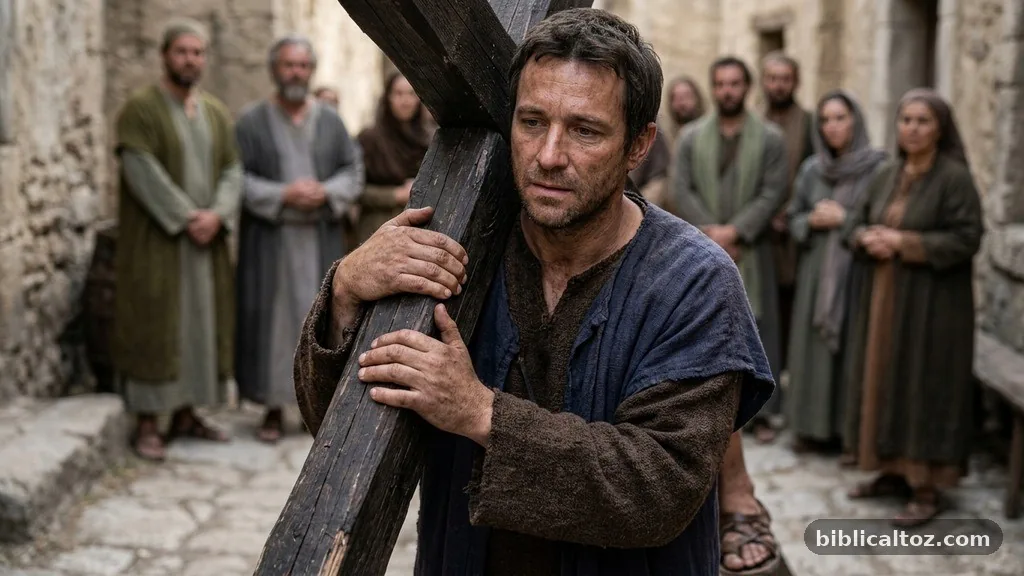
Isaiah 53:4-6 provides a prophetic look at how the Lord laid on Jesus the iniquity of us all. His suffering was not for his own failures but for ours. By dying on the cross, he satisfied the requirements of divine justice, paying the price for sin so that we would not have to.
The Resurrection

The resurrection is the vindication of his sacrifice. It proves that he conquered death and has the authority to grant eternal life to those who trust in him. Without his rising from the grave, there would be no hope for our own future resurrection.
Salvation by Grace Through Faith
Ephesians 2:8-9 serves as the definitive explanation of how we receive this gift. It clarifies that we are saved by grace through faith, and this is not of ourselves; it is the gift of God, not of works, lest anyone should boast. This means salvation is entirely unearned.
| Concept | Biblical Description |
|---|---|
| Grace | God’s unmerited favor and kindness toward sinners. |
| Faith | Trusting reliance on Jesus Christ for forgiveness. |
| Works | Human efforts that cannot merit divine standing. |
Romans 3:21-26 further explains that the righteousness of God is revealed apart from the law. It is available to all through faith in Jesus Christ. Because all have sinned, we are justified freely by his grace through the redemption that is in him.
What Does Repentance Have to Do With Salvation?
Repentance is often misunderstood as merely feeling sorry for one’s actions, but in the Bible, it involves a fundamental change of mind and direction. It is a turning away from sin and a turning toward God. Repentance is not a work that earns salvation; rather, it is the appropriate response to the realization of our need for a Savior.
When a person recognizes their sin, they naturally desire to move away from it. This internal shift is part of what it means to be saved.
It is impossible to embrace Christ as Savior while remaining committed to the very sin that he died to remove. Repentance and faith are two sides of the same coin, both being essential components of the conversion experience.
Is Salvation by Faith Alone?
The question of whether salvation is by faith alone has been a central discussion throughout church history. The biblical evidence points to faith as the sole instrument by which we receive the grace of God. While some traditions emphasize the role of sacraments or ongoing works, the witness of Scripture, particularly in the writings of Paul, consistently highlights that justification is received through faith.
It is important to distinguish this from the idea that works are unnecessary. True, saving faith is never alone; it inevitably produces the fruit of a transformed life. While our deeds do not contribute to the merit of our salvation, they serve as evidence that we have been truly regenerated by the Holy Spirit.
What Does It Mean to Be Saved?
To be saved is to undergo a radical change in one’s standing and status. It is a process of reconciliation where the enmity between the sinner and the Creator is removed. Key aspects of this new life include:
- Forgiveness: The complete washing away of sins.
- Reconciliation: The restoration of a peaceful relationship with God.
- Adoption: Being welcomed into the family of God as his child.
- Regeneration: The inward renewal of the spirit by the Holy Spirit.
This change impacts every area of a person’s life. It provides a new identity, a new purpose, and a new community in the body of Christ. It is a transition from being a stranger to being a citizen of heaven.
Is Salvation Past, Present, or Future?
The Bible speaks of salvation in three distinct tenses, which helps us understand its full scope.
First, we are saved in the past tense from the penalty of sin the moment we believe. Second, we are being saved in the present tense from the power of sin as we grow in holiness and walk with God.
Finally, we will be saved in the future tense from the very presence of sin when Christ returns and we receive our glorified bodies. Understanding this helps believers remain patient with their own growth while resting in the security of their finished status in Christ.
Can a Person Know They Are Saved?
The Bible encourages believers to have full confidence in their relationship with God. 1 John 5:11-13 states that these things are written so that those who believe in the name of the Son of God may know they have eternal life. Assurance is not based on our own perfection or feelings, which fluctuate, but on the unchanging promise of God and the finished work of Jesus.
When we look to Christ and his finished work, we find a firm foundation. If your trust is in the cross and the resurrection, you can have the peace of knowing that your life is hidden with Christ in God.
Bible Verses About Salvation
The following passages provide the bedrock for understanding salvation according to the Bible:
1. Genesis 3:15: The first promise of a Savior who would crush the serpent’s head.
2. Psalm 62:1-2: A declaration that God is our only source of salvation.
3.
Isaiah 53:4-6: A prophetic description of the substitute who bore our sins.
4. John 3:16-18: The foundation of the gospel, focusing on belief in the Son.
5. John 14:6: Jesus declares he is the only way to the Father.
6.
Acts 4:12: No other name exists for our salvation.
7. Romans 3:21-26: The explanation of justification by grace through faith.
8. Romans 5:1-2: We have peace with God through our Lord Jesus Christ.
9.
Romans 5:8-11: God demonstrated his love while we were still sinners.
10. Romans 6:23: The contrast between the wages of sin and the gift of God.
11. Romans 10:9-13: Confessing Jesus as Lord leads to salvation.
12.
Ephesians 2:1-10: The classic text on grace, faith, and works.
13. Titus 3:3-7: We are saved by his mercy, not by our own righteous deeds.
14. 1 Peter 1:3-5: Our salvation is kept by the power of God.
15.
1 Peter 2:24: Jesus bore our sins in his body on the tree.
16. 1 John 5:11-13: Assurance of eternal life through the Son.
FAQ
Is salvation just for a specific group of people?
The Bible teaches that the offer of salvation is universal in its scope. God desires all people to come to the knowledge of the truth and be saved.
Do I have to be religious to be saved?
Religion is a human attempt to reach God, whereas salvation is God reaching down to humanity. You do not need a religious title or pedigree, only a humble heart that trusts in Christ.
Can I lose my salvation?
This is a subject of much discussion. Most biblical scholars emphasize that our salvation is secured by God’s promise and the power of the Holy Spirit, not by our own ability to hold on.
What if I don’t feel saved?
Feelings are unreliable and subject to change. Biblical assurance is built on the promises of God, which remain true regardless of your emotional state.
Is baptism necessary for salvation?
Baptism is an important act of obedience that follows salvation, representing our identification with Christ’s death and resurrection, but it is not the means by which we are justified.
Can a person be saved after living a very sinful life?
Yes, the grace of God is sufficient to cover any amount of sin. The Bible contains many examples of individuals who were transformed by grace despite their past.
Does salvation mean my life will be easy?
No, Jesus promised that in this world we would have tribulation. Salvation provides peace with God and hope for the future, but it does not exempt us from the challenges of life.
How do I know if I have truly repented?
True repentance is evidenced by a turning away from sin and a growing love for God. It is a process of the heart that changes your desires and actions over time.
What is the role of the Holy Spirit in salvation?
The Holy Spirit convicts us of sin, leads us to faith in Christ, and dwells within us to guide, comfort, and transform us into the image of Jesus.
What is the first step toward salvation?
The first step is acknowledging your need for a Savior. This involves recognizing your sin and turning to God in faith, asking for the forgiveness he offers in Christ.
Practical Application
Salvation changes everything. It redefines your identity from a sinner under judgment to a child of God.
This new standing transforms your relationship with the Creator, moving you from fear to intimacy. It also shifts your perspective on sin; you no longer view it as a harmless habit but as an affront to the one who died to set you free.
Relationships with others are also impacted. Because you have received grace, you are empowered to extend grace to those who have wronged you.
Daily living becomes an act of worship as you seek to align your thoughts and actions with the truth of the gospel. This provides a deep, unshakable hope that transcends the circumstances of this life, anchoring your soul in the promise of eternity.
Conclusion
The message of salvation according to the Bible is the most significant news a person can ever receive. It is the story of God’s relentless pursuit of his people and the ultimate rescue provided through his Son. Whether you are seeking answers or looking to deepen your understanding, the path forward is always found in the person of Jesus Christ.
We encourage you to read the Scriptures for yourself, allowing the Holy Spirit to illuminate these truths in your heart. By looking to the Bible, you will find not only the definition of salvation but the very life that it promises to all who believe.