The Story of Jonah in the Bible: Meaning, Lessons & God’s Mercy
The story of Jonah stands as one of the most provocative accounts in the prophetic books, challenging conventional ideas about justice and divine grace. By following the life of a reluctant prophet, readers encounter a narrative that shifts focus from human failure to the boundless nature of the Creator.
Whether you are examining the text for theological depth or personal reflection, the story of Jonah offers a profound look at how God interacts with those who resist His calling. This article explores the historical context, the dramatic events of the prophet’s journey, and the enduring lessons regarding mercy and compassion that remain relevant for believers today.
Who Was Jonah?
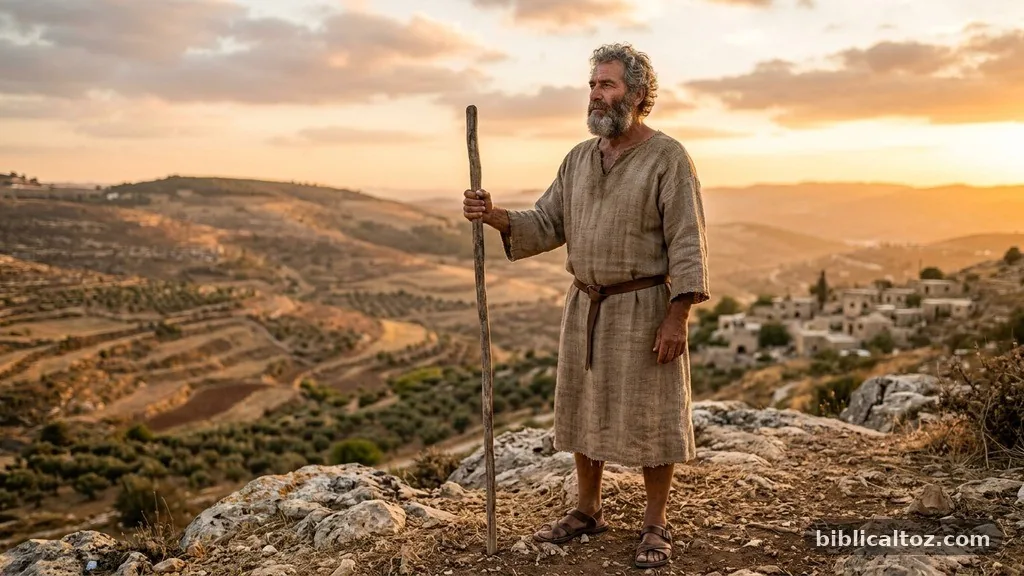
Jonah, son of Amittai, was a prophet from Gath-hepher who lived during the reign of Jeroboam II. While the Bible provides limited biographical details, he is recognized as a messenger of the Lord tasked with delivering warnings to nations.
Unlike other prophetic books that focus primarily on the message delivered to the people, the book of Jonah functions more like a narrative biography. It highlights the internal struggle of a man who knew the character of his God but found that character difficult to accept when it was applied to his enemies.
God Calls Jonah to Nineveh
The Lord commanded the prophet to arise and go to Nineveh, a great city, and cry against it because their wickedness had ascended before Him. Nineveh was the capital of the Assyrian Empire, a nation known for its brutality and hostility toward Israel.
For a Hebrew prophet, the prospect of preaching repentance to the very people who threatened his home was likely unthinkable. This divine call set the stage for a dramatic conflict between human prejudice and the universal scope of divine concern.
Why Did Jonah Run From God?
Jonah didn‘t flee because he doubted God’s power; he fled because he understood God’s nature too well. Later in the book, he admits that he knew the Lord was a gracious and merciful God, slow to anger and of great kindness.
Jonah feared that if he delivered the warning, the people of Nineveh might actually repent, and God would choose to spare them. He preferred to see the city destroyed rather than witness the mercy of God extended to a pagan, violent empire.
Jonah Travels Toward Tarshish
Instead of heading east toward Nineveh, the prophet went down to Joppa and found a ship bound for Tarshish. By choosing this route, he attempted to flee from the presence of the Lord.
This act of disobedience illustrates the futility of trying to escape a divine mandate. The narrative emphasizes that the presence of the Creator is inescapable, and one’s attempts to hide only lead to further turmoil.
The Great Storm
As the vessel sailed, the Lord sent a mighty tempest upon the sea, creating such a violent storm that the ship was threatened with breaking apart. The sailors, who were not worshippers of the God of Israel, were terrified and began calling out to their own gods for help.
While they threw cargo overboard to lighten the vessel, the prophet was fast asleep in the hold. His indifference to the chaos around him serves as a stark contrast to the urgency of the situation.
Jonah Is Thrown Into the Sea
When the sailors cast lots to determine who was responsible for the calamity, the lot fell on the prophet. He confessed that he was running from the Lord and instructed the crew to throw him into the sea to calm the waters.
Reluctantly, they complied, and the sea ceased its raging immediately. This moment marks a turning point where the prophet finally faces the consequences of his rebellion against the divine command.
Jonah and the Great Fish
The scripture states that the Lord prepared a great fish to swallow him, and he remained in the belly of the creature for three days and three nights. This event is often debated, but the biblical account centers on the miraculous preservation of life through the intervention of the Lord. It serves as a period of forced reflection and isolation, stripping away the prophet’s pride and forcing him to confront his situation.
Jonah’s Prayer
From the depths of the sea, the prophet offered a prayer of thanksgiving and repentance. He acknowledged that his distress had brought him back to a place of dependency. The following table highlights the transition in his mindset during this period of confinement:
| Phase | Action/State | Spiritual Focus |
|---|---|---|
| Departure | Fleeing to Tarshish | Self-will and avoidance |
| The Storm | Sleeping in the hold | Denial and detachment |
| The Fish | Praying from the depths | Humility and surrender |
Jonah Goes to Nineveh
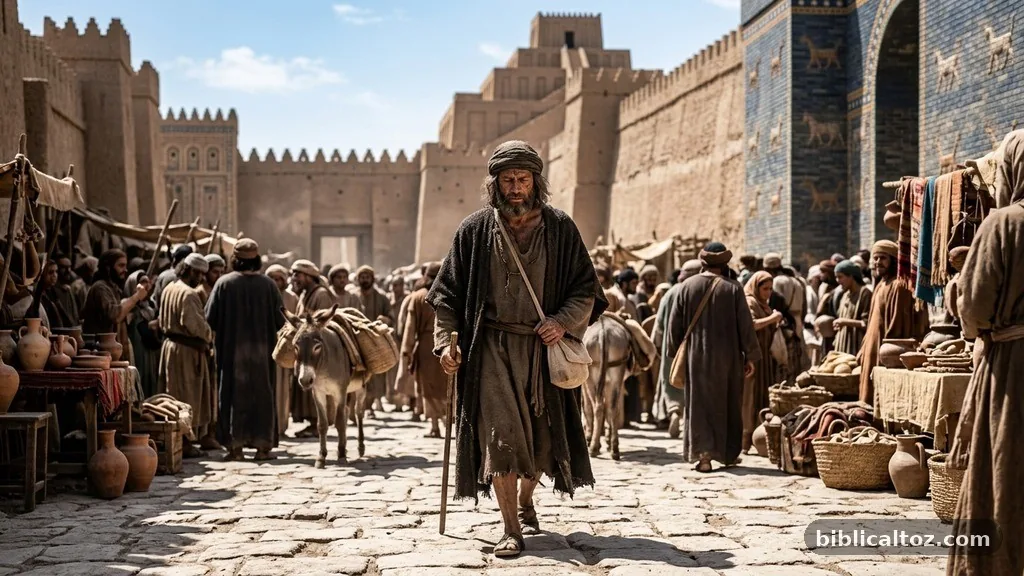
After the fish vomited him onto dry land, the word of the Lord came to him a second time. This time, the prophet obeyed and traveled to the great city of Nineveh.
It was a massive metropolis that required three days to traverse. He walked through the streets, delivering the simple, blunt message that the city would be overthrown in forty days.
Nineveh Repents
The response from the people of Nineveh was immediate and absolute. From the greatest to the least, they believed the message and proclaimed a fast, putting on sackcloth as a sign of mourning.
Even the king of Nineveh stepped down from his throne, covered himself in ashes, and commanded that every person and animal refrain from food and water. They turned from their evil ways, hoping that the Lord might relent and spare them from destruction.
Jonah’s Anger
When the Lord saw their repentance and decided not to bring the calamity upon the city, the prophet was exceedingly displeased. He was angry that God had shown mercy to the Assyrians. His reaction reveals the deep-seated bitterness that had fueled his initial flight, as he prioritized his nationalistic desires over the divine will.
The Plant, Worm, and Wind
To teach him a lesson, the Lord caused a plant to grow up quickly to provide shade for the prophet as he waited outside the city. Then, the Lord appointed a worm to destroy the plant, followed by a scorching east wind.
When the prophet complained about the heat, God used the object lesson to illustrate the absurdity of his anger. If he could feel pity for a plant he did not labor for, how much more should God care for a city of over 120,000 people?
What Is the Main Message of Jonah?
The central theme is that God’s salvation is not limited by human borders, politics, or prejudices. The book challenges the reader to align their heart with the heart of God, who desires for all people to repent and turn to Him. It serves as a critique of religious elitism and a reminder that grace is often extended to those we consider unworthy.
Jonah and God’s Mercy
The mercy of God in this story is proactive and persistent. He pursued the prophet even when he was running away, and He pursued the city of Nineveh despite their reputation for violence. This mercy demonstrates that no one is beyond the reach of divine grace if they are willing to turn toward the Lord.
Jonah’s Lessons About Obedience, Mercy, and Compassion
* Obedience is not optional, even when we do not understand the logic behind a command.
* Mercy is a divine prerogative; humans do not have the right to withhold compassion from others.
* Compassion should be extended to all, regardless of personal feelings or national identity.
What Does Jonah Teach Christians Today?
For modern believers, this story serves as a mirror. It asks us to consider who we have deemed “unworthy” of God’s love.
It encourages us to examine our own hearts for signs of arrogance or bitterness that might prevent us from sharing the gospel with those we find difficult. Ultimately, it teaches that we are all recipients of grace and are therefore called to be vessels of that same grace to others.
Key Bible Verses From Jonah
- But Jonah rose up to flee unto Tarshish from the presence of the Lord. (Jonah 1:3)
- I know that thou art a gracious God, and merciful, slow to anger, and of great kindness. (Jonah 4:2)
- And should not I spare Nineveh, that great city? (Jonah 4:11)
Common Questions About Jonah
Was the story of Jonah a historical event or a parable?
The book is written as a historical narrative, and Jesus Himself referred to the prophet as a real figure during His ministry. While some readers interpret the literary style as having symbolic elements, the text presents the events as historical occurrences.
Why did God choose to save Nineveh?
God chose to save Nineveh because He is compassionate toward all His creation. The repentance of the people moved Him to hold back judgment, demonstrating that genuine turning away from evil always finds a response in His mercy.
What is the connection between Jonah and Jesus?
Jesus used the experience of the prophet as a sign of His own death and resurrection. Just as the prophet was in the belly of the fish for three days, the Son of Man would be in the heart of the earth for three days before rising again.
Why is the book of Jonah so short?
The book is concise because it focuses entirely on the interaction between the prophet and the Lord. It does not contain the typical prophetic oracles found in other books, as the primary purpose is to convey a specific lesson about divine mercy.
Conclusion
The story of Jonah remains one of the most powerful testimonies to the expansive nature of divine grace. It forces us to confront our own limitations and the narrow boundaries we often draw around who deserves mercy. By observing the prophet’s journey from rebellion to resentment and finally to a forced realization of truth, we learn that God’s love is never limited by our personal agendas.
As you reflect on these events, consider where you might be resisting the call to show compassion to others. The message of the book is clear: God is the judge, and His primary desire is to see hearts turn toward Him. May this account encourage you to embrace a life defined by the same grace that was extended to the city of Nineveh.