Wine Symbolism in the Bible: Meanings and Context
Wine symbolism in the Bible spans from the earliest stories of the patriarchs to the final visions of the New Testament. Often viewed as a complex paradox, it represents both the abundance of divine blessing and the dangers of human folly. Understanding these layers requires looking at how the text distinguishes between legitimate celebration and the destructive nature of excess.
The Dual Nature of Wine
Biblical writers frequently present wine as a gift from God intended to gladden the human heart. It is a staple of the ancient Mediterranean diet, often paired with grain and oil as a sign of agricultural prosperity. When the harvest is plentiful, it is viewed as a direct result of the Lord providing for his people.
However, the scriptures are equally clear regarding the dangers of alcohol consumption. While the drink itself is not inherently sinful, the Bible warns repeatedly against drunkenness. The loss of self-control and the subsequent poor judgment associated with being drunk are framed as moral failures that lead to shame and destruction.
Spiritual Significance and Metaphor
Beyond its physical properties, wine serves as a potent metaphor for spiritual realities. It is frequently linked to joy, celebration, and the covenantal relationship between God and humanity.
New Wine and Abundance
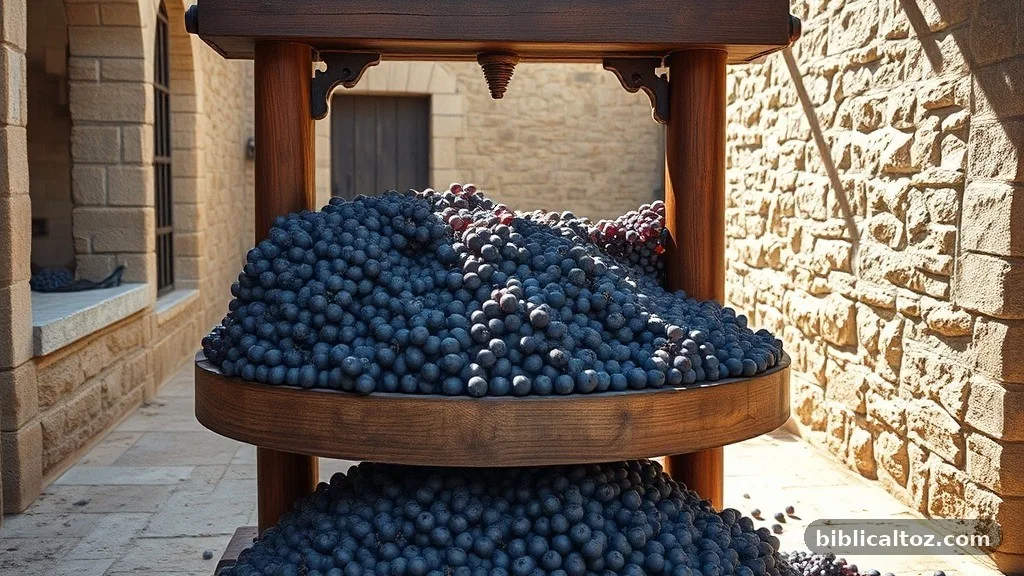
The term “new wine” often appears in the context of fresh blessings. It represents the vitality of the spirit and the renewal that comes from divine favor. In many passages, the presence of new wine in the vats is a prophetic sign that God has restored his people and is pouring out his grace upon the land.
The Blood of Jesus
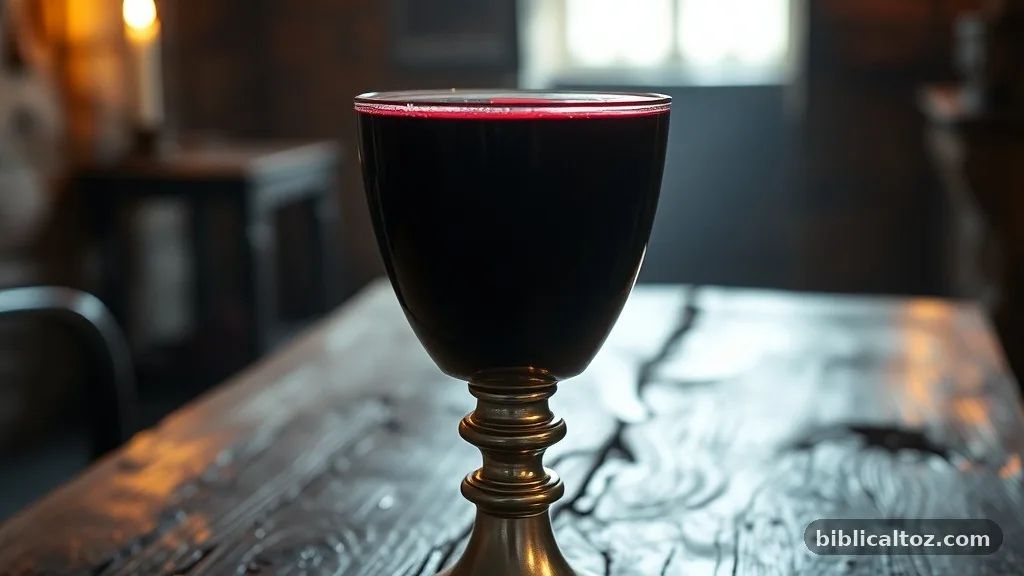
In the New Testament, the symbolism shifts toward a deeper, sacrificial meaning. During the Last Supper, Jesus took the cup and identified it as the blood of the new covenant. This act transformed the common drink into a sacred symbol of his life given for others. It remains central to the practice of communion, where believers receive the elements to remember his sacrifice.
Wine and the Holy Spirit
One of the most distinct associations in the New Testament occurs in the book of Acts. When the Holy Spirit descended upon the disciples at Pentecost, observers accused them of being filled with new wine because of their ecstatic behavior. The Apostle Peter clarified that this was not the result of alcohol, but rather the fulfillment of prophecy.
This comparison highlights a spiritual contrast: while wine produces a temporary, physical shift in one’s state, the presence of the Holy Spirit produces an internal transformation. The early church used this imagery to help people distinguish between the fleeting effects of earthly stimulants and the enduring power of a life lived in the presence of God.
Historical Context and Consumption
Modern readers often wonder if the wine described in the Bible was the same as today. Ancient production methods did not include modern distillation, meaning the alcohol content was typically lower than many contemporary spirits. It was almost always mixed with water, and pure, undiluted wine was often considered a mark of excess or lack of discipline.
The Meaning of Oil and Wine
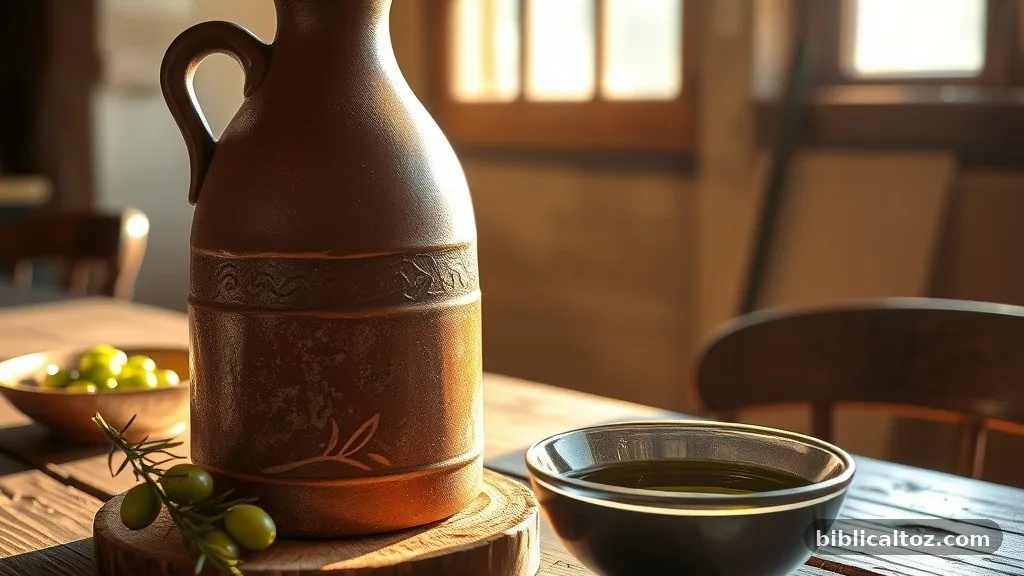
In parables and prophetic writings, oil and wine are frequently mentioned together. Oil represents the anointing, healing, and presence of the Spirit, while wine represents the outward expression of joy and the celebration of God’s provision. Together, they signify a complete life sustained by divine care, whether in times of peace or during periods of struggle.
By examining these occurrences, it becomes clear that wine serves as a multifaceted symbol. It is a reminder of the need for moderation and wisdom, yet it stands as a testament to the joy and spiritual abundance that the Lord intends for those who follow him.