Rock Symbolism in the Bible: Strength and Stability
Rock symbolism in the Bible serves as a foundational motif that bridges the experiences of the patriarchs with the teachings of the New Testament. From the rugged landscapes of the ancient Near East to the metaphorical language used by prophets and apostles, stones and boulders are frequently employed to articulate the unchanging nature of the divine.
The Divine as a Foundation
Throughout scripture, the metaphor of a rock is most prominently used to describe the character of God. In the Old Testament, the imagery often emphasizes protection, permanence, and unshakeable support. When figures like Moses or David refer to the Almighty as their rock, they are invoking the physical reality of a massive, immovable formation that provides shelter from the elements and safety from enemies.
A Refuge and Fortress
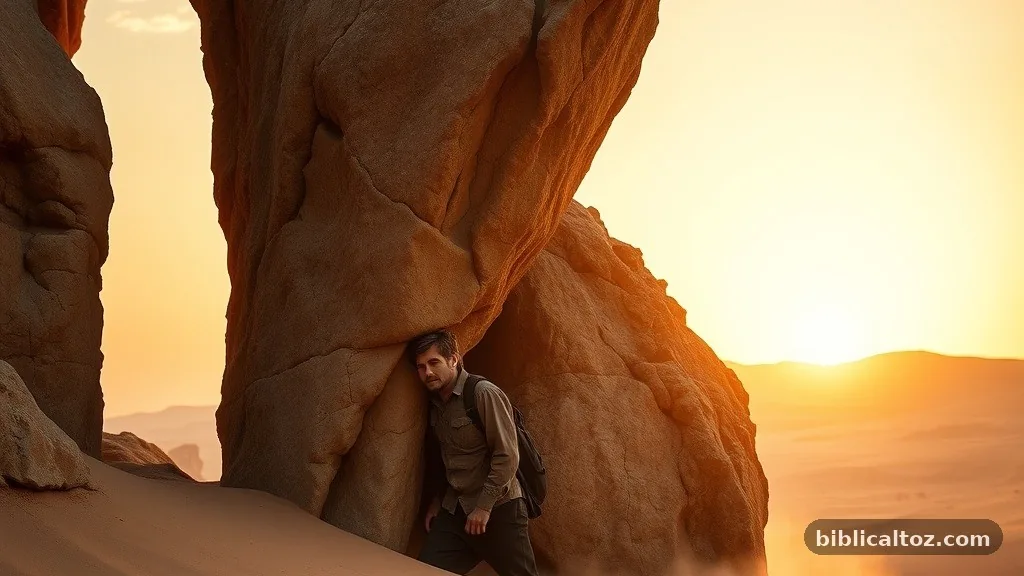
The psalmist frequently portrays the Creator as a high place or a fortress. This imagery suggests that just as a traveler in the wilderness might seek shelter behind a large stone to escape the wind or danger, a person of faith finds spiritual security in the presence of God. This reliability is contrasted against the shifting sands of human circumstances, highlighting a divine nature that does not move or falter.
Unchanging Character
The concept of God as a rock also speaks to His consistency. While human alliances may fail and earthly kingdoms crumble, the biblical narrative insists that the divine purpose remains constant. By using this natural element as a symbol, the writers of the Bible communicated a sense of absolute trust to an audience intimately familiar with the rocky, uneven terrain of the Promised Land.
Stones and the Physical World
Beyond the metaphorical use of the term, literal stones played a significant role in the daily lives of ancient people. They were used to build houses, construct altars, and mark significant historical events. This practical utility informs the spiritual meaning attached to them, as the physical labor of working with stone became a lens through which to view one’s relationship with the creator.
Construction and Architecture
The act of using rocks to build houses is a recurring theme that underscores the importance of a solid base. A house constructed on a foundation of sand is destined to fall, whereas one built upon a solid ledge can withstand the storms of life. This practical wisdom is elevated to a spiritual principle, suggesting that a life built upon divine truth is inherently more stable than one built upon fleeting desires.
Memorials and Altars
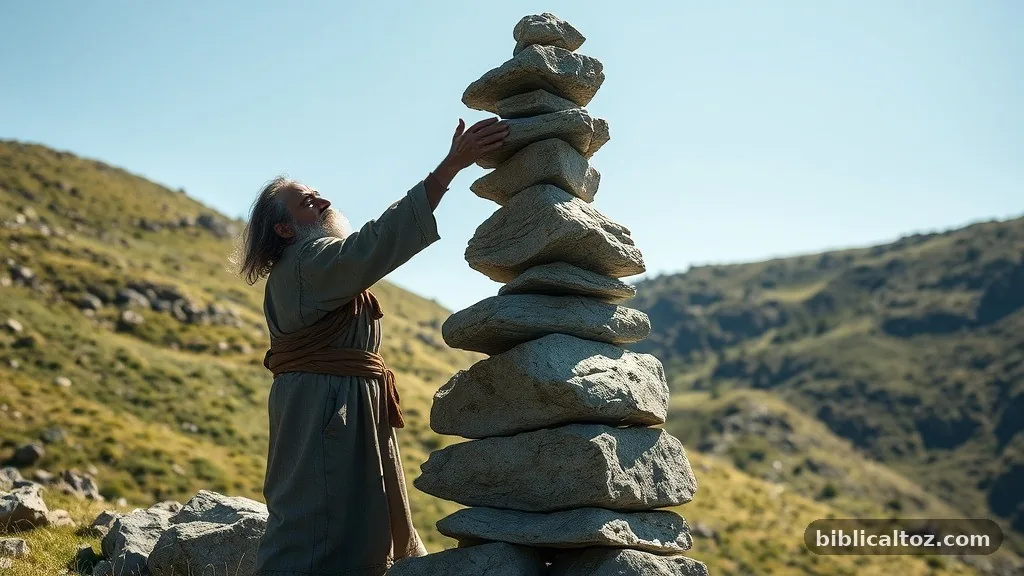
It was common practice for leaders to set up stones as markers of a covenant or a significant encounter. These physical monuments served as a reminder to future generations of a specific moment where the presence of the divine intersected with human history. By anchoring a memory to a permanent, earthly object, these individuals ensured that the lesson—and the faith associated with it—would not be forgotten.
Christ as the Corner Stone
In the New Testament, the symbolism shifts and deepens, specifically identifying Jesus as the core of this spiritual architecture. The transition from the general idea of God as a refuge to the specific identity of Christ as the foundation provides a continuity that links the Old and New Testaments.
The Rejected Stone
One of the most powerful images is that of the stone rejected by the builders, which eventually becomes the cornerstone. This paradox suggests that what the world might overlook or dismiss as unimportant is, in the eyes of the divine, the most essential piece of the entire structure. This imagery reinforces the idea that true strength is often found in humility and service rather than in conventional displays of power.
Faith and Stability
For the early followers of Jesus, identifying him as the rock was an act of profound faith. It meant declaring that their lives were centered on his teachings and his sacrifice. By grounding their identity in this symbol, they found the inner strength to endure persecution and remain steadfast in their beliefs, regardless of the challenges they faced on earth.