Silver Symbolism in the Bible: Meaning and Significance
Silver holds a significant place in the narrative of scripture, often appearing alongside gold as one of the most precious materials mentioned in the text. While gold frequently represents the glory and divinity of God, silver is deeply tethered to the themes of redemption, atonement, and the refinement of the human spirit. By examining how this metal is used in various contexts, we can better understand its role as a bridge between earthly value and spiritual transformation.
The Connection Between Silver and Redemption
In the biblical tradition, silver serves as more than just a store of wealth; it is the currency of ransom. One of the most prominent examples occurs in the book of Exodus, where the census tax required every Israelite to contribute a half-shekel of silver. This payment was explicitly described as a “ransom” for their lives, ensuring that no plague would strike the people during the census.
The Price of Atonement
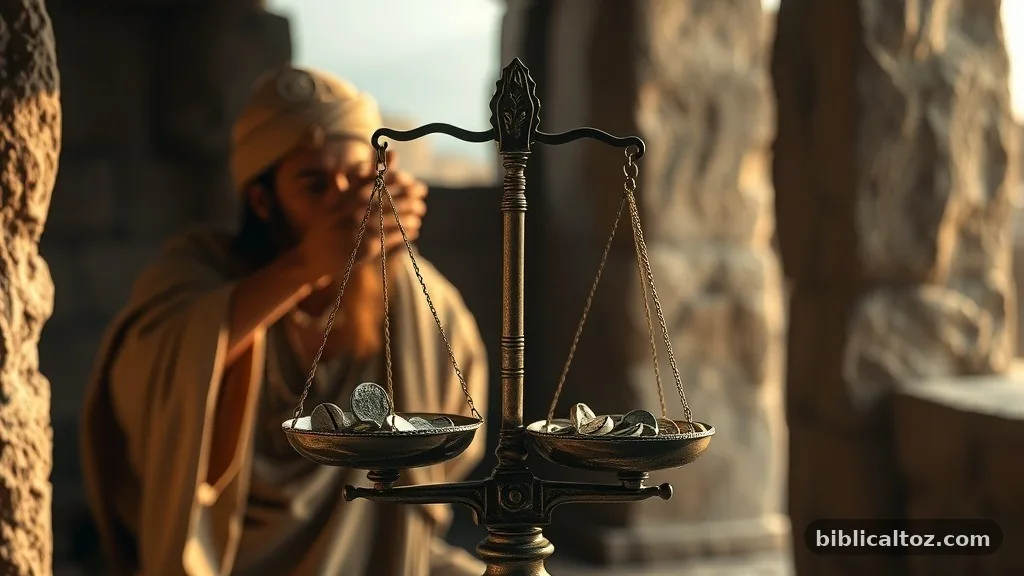
This act established a precedent where silver became the physical representation of a soul’s value before God. Because the metal was used to support the tabernacle and the service of the sanctuary, it became intrinsically linked to the concept of atonement. When individuals contributed silver, they were acknowledging their dependence on the divine and the necessity of being “bought back” or redeemed from their shortcomings.
The Refining Process and Spiritual Purity
The Bible frequently uses the imagery of metallurgy to describe the process of sanctification. Unlike gold, which is often associated with inherent purity, silver must undergo a rigorous process of purification to reach its full potential. The psalmist writes that the words of the Lord are like silver refined in a furnace on the ground, purified seven times.
Testing Through Fire
This metaphor illustrates that, like metal subjected to intense heat, the believer is often refined through trials and suffering. The heat of the fire removes the dross, or impurities, leaving behind a substance that is clear, valuable, and useful for the Master’s work. This biblical imagery suggests that spiritual growth is not a passive state but a transformation that requires the “fire” of life’s challenges to burn away the unnecessary elements of the ego.
Silver Versus Gold: Contrasting Symbolic Values
While both metals are considered precious, they hold distinct roles in the biblical narrative. Gold is generally associated with the kingdom of heaven, the majesty of the throne, and the unadulterated glory of God. In contrast, silver is often more closely aligned with the human experience of grace and the practical outworking of faith.
Wealth and Worship
The Scriptures warn against the misplaced focus on earthly wealth, noting that the love of money is a root of all kinds of evil. However, when silver is used in the context of worship—such as the silver sockets of the tabernacle or the silver trumpets used by the priests—it is sanctified. It shifts from being a mere monetary instrument to a tool that facilitates the relationship between humanity and the divine.
The Thirty Pieces of Silver
The most infamous mention of this metal appears in the New Testament, where Judas Iscariot receives thirty pieces of silver in exchange for betraying Jesus. This event provides a stark contrast to the earlier biblical usage of silver as a symbol of redemption. Here, the metal is used as a tool of treachery and a price placed upon the head of the Savior.
A Perversion of Value
The irony of this transaction is profound. While silver was historically used to ransom lives, it was used in this instance to facilitate the death of the one who would provide the ultimate ransom for all of humanity. This event underscores the biblical theme that material objects are morally neutral until they are given meaning by the intentions and actions of those who possess them.
Interpreting Silver in Modern Contexts
Many people today wonder about the spiritual meaning of silver in dreams or personal reflection. Given its biblical associations with refinement, it is often viewed as a symbol of clarity, wisdom, and the internal work of grace. If silver appears as a motif, it may point toward a season of personal testing or the need to focus on what is truly valuable in the eyes of God.
Reflecting on Biblical Symbolism
Ultimately, the study of these precious metals invites a broader reflection on the nature of value. The Bible teaches that human beings are far more precious than any physical treasure. By understanding the historical and symbolic weight given to silver, readers can gain a deeper appreciation for the metaphors of redemption and refinement that continue to shape spiritual thought today.