Eagle Symbolism in the Bible and Its Spiritual Significance
Eagle symbolism in the Bible serves as a powerful metaphor for God’s relationship with humanity, often representing strength, divine protection, and spiritual renewal. Throughout scripture, the eagle is depicted not merely as a bird of prey, but as a creature that embodies the attributes of the Creator. By examining these passages, we can better understand how ancient writers used the nature of these birds to communicate profound theological truths.
Divine Protection and God’s Care
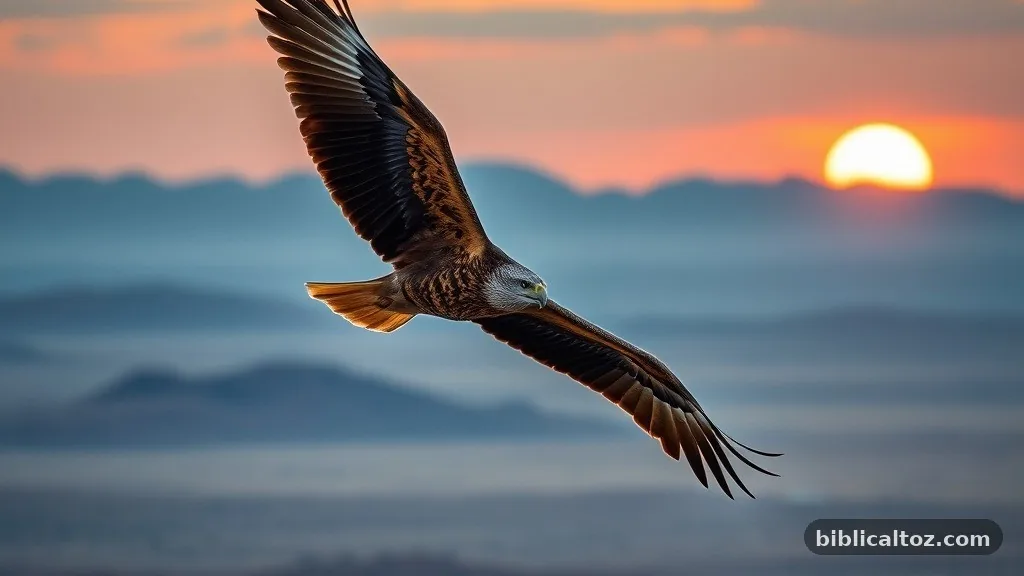
One of the most recurring themes surrounding these birds in the Old Testament is the concept of God as a deliverer. In Exodus 19:4, the Lord reminds the Israelites that He carried them out of Egypt “on eagles‘ wings” and brought them to Himself. This imagery suggests a protective, nurturing aspect of the divine nature that goes beyond simple guidance.
The comparison emphasizes the safety provided by a higher power. Much like a mother eagle teaching its young to fly—often catching them if they falter—the passage illustrates how the Lord provides support during times of transition and vulnerability. This metaphor highlights a relationship rooted in care rather than just authority.
Spiritual Renewal and Strength
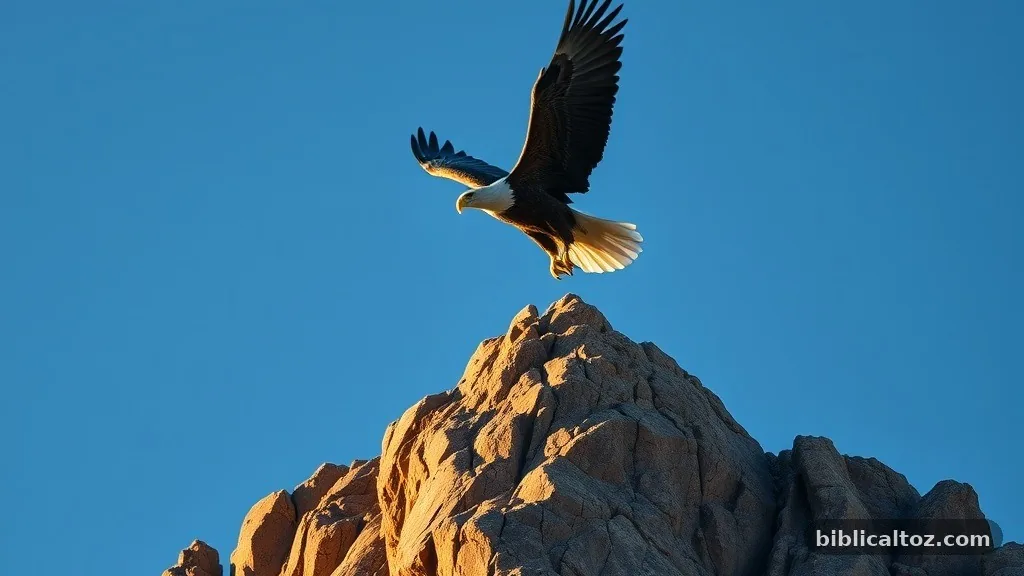
Perhaps the most famous reference is found in Isaiah 40:31, which promises that those who wait upon the Lord will renew their strength. The text notes that they will “mount up with wings like eagles,” suggesting a transformation that allows the believer to rise above earthly struggles. This imagery is frequently cited in Christian circles to describe the endurance required for the spiritual journey.
The eagle’s ability to soar at great heights represents a perspective that is removed from the chaos of daily life. By relying on divine grace, the faithful are encouraged to seek a vantage point that reflects God’s own view. This process of renewal is portrayed as a natural outcome of placing one’s trust in the Lord.
The Eagle in Prophetic Visions
In the book of Revelation, the eagle appears in a more symbolic and apocalyptic context. Describing the throne of God, the author notes the presence of four living creatures, one of which has the face of an eagle. This configuration echoes earlier visions in Ezekiel, where the eagle represents one of the four cardinal aspects of God’s creation.
These visions often signify speed, keen vision, and divine judgment. Because these birds were known for their sharpness of sight and their ability to move rapidly, they became a fitting symbol for the omniscience of the Holy Spirit. In these instances, the creature serves as an emblem of heavenly majesty and the swift execution of divine will.
Characteristics Frequently Associated with Eagles
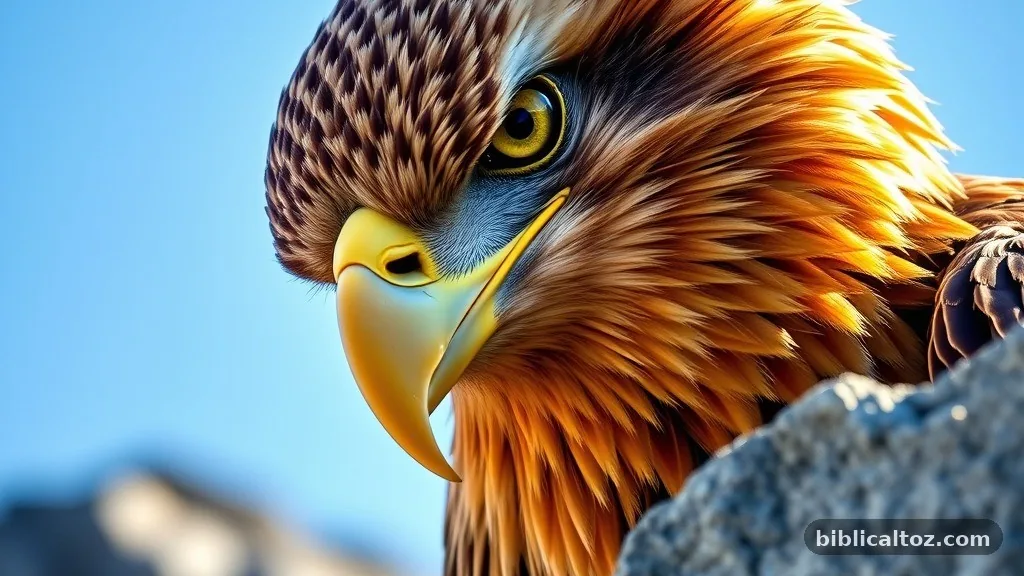
When readers explore the biblical significance of these birds, they often look for specific traits that bridge the gap between nature and theology. While the Bible does not list a specific set of “10 characteristics,” several themes consistently emerge in scholarly and devotional literature:
* Keen Vision: Often representing the ability to discern truth and see beyond the surface of a situation.
* High Altitudes: Symbolizing an elevated spiritual state or a life lived in communion with the divine.
* Parental Care: Used to describe the protective nature of the Lord toward His people.
* Swiftness: Illustrating the urgency and efficiency of God’s response to the cries of the righteous.
The Cultural and Historical Context
To truly appreciate the symbolism, one must consider how ancient audiences perceived these birds. In the ancient Near East, the eagle was a common motif in art and literature, often associated with royalty and power. By adopting this imagery, the writers of the Bible reclaimed these concepts to describe the sovereignty of the Lord rather than the power of earthly empires, such as the Roman or Babylonian forces.
This distinction is crucial for modern readers. While other cultures might have viewed the eagle as a symbol of military conquest, the biblical authors consistently redirected the focus toward spiritual liberation. Understanding this shift helps clarify why the image of the bird continues to resonate so deeply in Christian thought today, serving as a reminder of the strength available to those who seek a deeper connection with the divine.