Who Wrote the Book of Job: Ancient Origins and Theories?
Determining who wrote the book of Job remains one of the most intriguing challenges for scholars and students of the Bible. Unlike the prophetic books that often name their authors in the opening lines, this narrative remains anonymous. Because the text lacks an explicit signature, readers are left to weigh ancient traditions against internal literary evidence.
Engaging with this mystery helps us better appreciate the profound wisdom themes regarding human suffering and divine justice. Whether the author was a contemporary of the patriarch or a later sage, the message of the book continues to resonate deeply with those seeking to understand the nature of pain and faith in our world.
Traditional Perspectives on Authorship
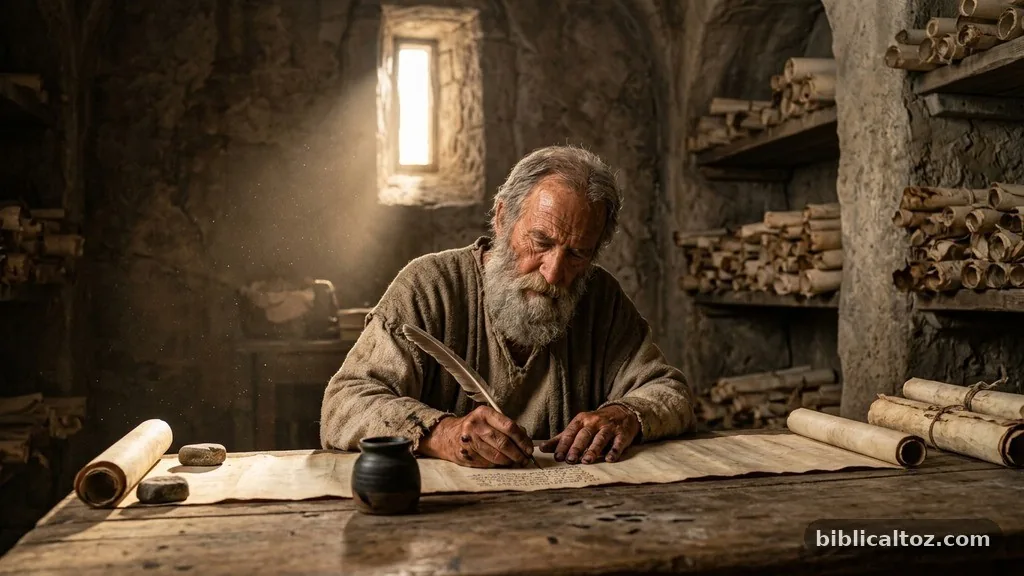
Historical tradition has long sought to identify the pen behind this ancient account. Various figures have been proposed over the centuries, though none of these claims can be verified through historical documentation or internal proof.
- Moses: Often suggested because of his proximity to the desert traditions and his reputation as a lawgiver.
- Job himself: Some early commentators posited that he recorded his own life experiences.
- Solomon: Attributed by those who view the book as a pinnacle of wisdom literature.
- Elihu: Proposed by readers who believe the younger friend’s speech stands apart from the others.
These attributions often reflect the desire to ground the narrative in a specific historical context. However, these suggestions remain speculative and are not treated as settled fact by modern biblical historians.
Scholarly Hypotheses and Dating

Modern academic analysis focuses on the language, style, and theological development within the text to suggest potential timeframes. Scholars often distinguish between the prose prologue and epilogue and the complex poetic dialogues found in the center of the book.
| Hypothesis | Focus |
|---|---|
| Pre-Exilic | Suggests a date before the Babylonian captivity based on linguistic parallels. |
| Exilic/Post-Exilic | Proposes a later date, reflecting a more developed theological struggle with justice. |
| Composite | Argues the book was written over several centuries by multiple contributors. |
The debate over when the book job was written often hinges on whether the author intended to depict the patriarchal era or was writing to address the concerns of a later generation. The lack of specific references to the Torah or the history of Israel leads some to believe the setting is intentionally ancient and universal.
Literary Composition and Theological Context
The book is structured to contrast the stability of the prologue with the intense, raw debate of the middle chapters. The prose sections provide a narrative frame, while the poetry serves as a platform for the protagonists to wrestle with the nature of suffering.
Why Authorship Remains Uncertain
The anonymity of the book allows it to function as a piece of universal wisdom. By not tying the message to a specific prophet or king, the text remains accessible to any person experiencing trials. The focus is placed entirely on the dialogue between the sufferer and his companions, rather than the identity of the writer.
Studying the Text Responsibly
Regardless of who wrote the book of Job, the core message regarding justice and the character of God remains consistent. Readers are encouraged to focus on the themes presented in the text rather than searching for an external historical anchor that the Bible does not provide.
FAQs
Is the book of Job a true story?
Many view it as a didactic narrative or wisdom literature rather than a strict historical report. Its primary purpose is to explore the problem of evil and the sovereignty of God.
Was Job written before Genesis?
While some argue the patriarchal setting suggests an early date, there is no consensus. Most academic dating places the composition much later than the events it describes.
Why does the book of Job use different styles of writing?
The shift between prose and poetry is a hallmark of ancient Near Eastern literature. The prose sets the stage, while the poetry elevates the emotional and theological intensity of the argument.
Does the New Testament mention the author?
The New Testament refers to the figure of Job as an example of patience, but it never identifies a human author for the book.
Conclusion
The question of who wrote the book of Job does not have a definitive answer, yet this silence invites deeper study of the text itself. By focusing on the profound questions of suffering, justice, and faith, we move past the search for a name and into the heart of the message. The book serves as a timeless resource for anyone navigating the complexities of pain and the search for meaning.
As you continue your study of the scriptures, consider how the anonymity of this account might actually serve to make its wisdom more applicable to your own life and circumstances. Diving into the text with an open mind allows you to engage with the eternal truths it contains, regardless of the human hand that first set the words to parchment.