Water Symbolism in the Bible: Meanings and Significance
Water serves as one of the most persistent and versatile motifs throughout the scriptures, appearing from the opening verses of Genesis to the final chapters of Revelation. Because it is essential for physical survival, the writers of the text frequently utilized it as a metaphor for spiritual reality, divine provision, and the transformative power of God.
The Dual Nature of Water in Scripture
In the biblical narrative, water often represents both destruction and creation. This duality is established early on, where the chaotic waters of the deep are brought into order by God creating the heavens and the earth.
Water as Chaos and Judgment
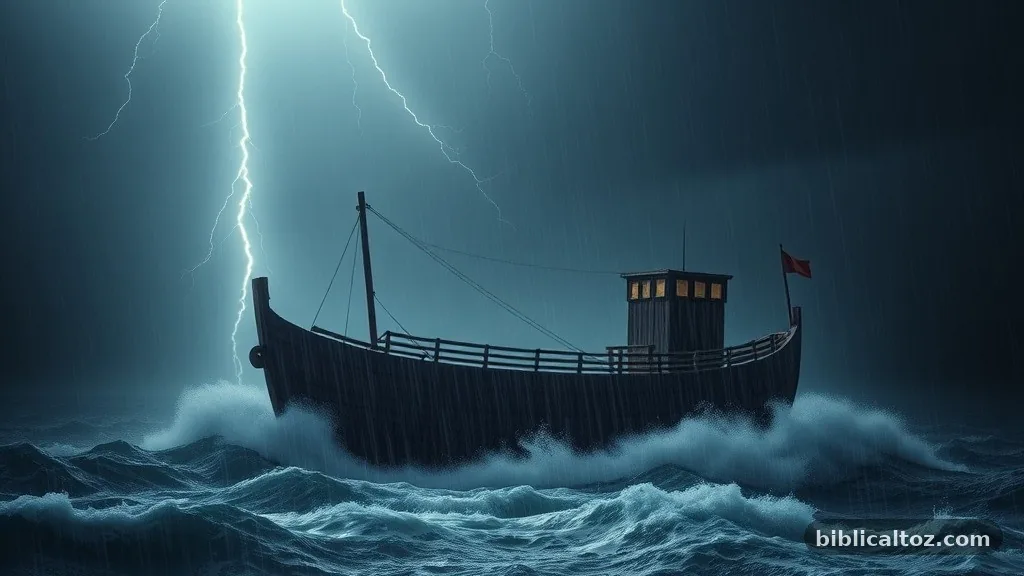
In many instances, the sea or deep waters represent forces outside of human control, symbolizing instability or the judgment of God. The account of the Flood serves as the primary example of this, where the waters functioned as a tool for cleansing the earth of wickedness. This theme persists into the New Testament, where the sea is often depicted as a place of danger or a barrier that requires divine intervention to overcome.
Water as Cleansing and Life

Conversely, water is consistently portrayed as a life-giving force. It is the necessary element for growth, sustenance, and physical survival. This positive imagery is tied to the concept of purity, where ritual washing signifies the removal of spiritual uncleanness. By the time the reader reaches the later books, this physical cleansing is explicitly linked to the inner renewal of the heart and mind.
Living Water and the Ministry of Jesus
One of the most profound shifts in how water is understood occurs through the teachings of Jesus. He frequently moved the conversation away from physical cisterns or wells toward a deeper, spiritual reality.
The Source of Eternal Life
When Jesus encountered the Samaritan woman at the well, he introduced the concept of “living water.” Unlike stagnant water found in a traditional well, living water implies a constant flow—a spiritual vitality that originates from God. He positioned himself as the source, suggesting that those who drink from this spiritual well will never thirst again, indicating that his presence satisfies a hunger that physical things cannot touch.
Baptism and the Journey of Faith
Baptism represents a pivotal sign of transition for the people of faith. It serves as a public declaration of entering into a new life, mirroring the journey of the Israelites as they passed through the waters of the Red Sea to escape bondage. This act signifies the death of the old self and the emergence of a renewed identity, deeply rooted in the promise of divine grace.
The Prophetic and Future Significance
The imagery of water does not end with the ministry of the apostles; it carries a forward-looking, prophetic weight that reaches into the eternal future.
Rivers of Renewal

In the book of Revelation, the vision of the river of the water of life flowing from the throne of God serves as the ultimate resolution to the biblical narrative. This imagery suggests that the “thirst” experienced by humanity—whether physical or spiritual—is finally and permanently satisfied. It marks the return to a state of harmony, where the presence of the Creator is fully accessible to all.
Spiritual Refreshment and Sustenance
Throughout the testament, water remains a consistent sign of God’s care for his people. Whether it is the provision of water from a rock in the wilderness or the promise of streams in the desert, these moments remind the reader that God is the provider of life. By observing these patterns, it becomes clear that water functions as a bridge between the physical world and the spiritual realm, illustrating the ongoing process of renewal available to everyone.