The Symbolism of Flowers in the Bible and Their Meanings
The presence of flora throughout scripture serves as more than just a backdrop for ancient narratives; flowers in the Bible and their meanings carry profound theological weight. From the lush imagery in the Song of Solomon to the humble wild flowers referenced by Jesus, these plants act as metaphors for human frailty, divine provision, and spiritual renewal.
Botanical Symbolism in Biblical Narratives
The Bible often uses the life cycle of plants to illustrate the relationship between the Lord and His people. Unlike modern botanical texts, biblical writers focused on the character of the plant—its resilience, its fleeting beauty, or its utility—to convey a deeper lesson.
The Lily of the Valleys
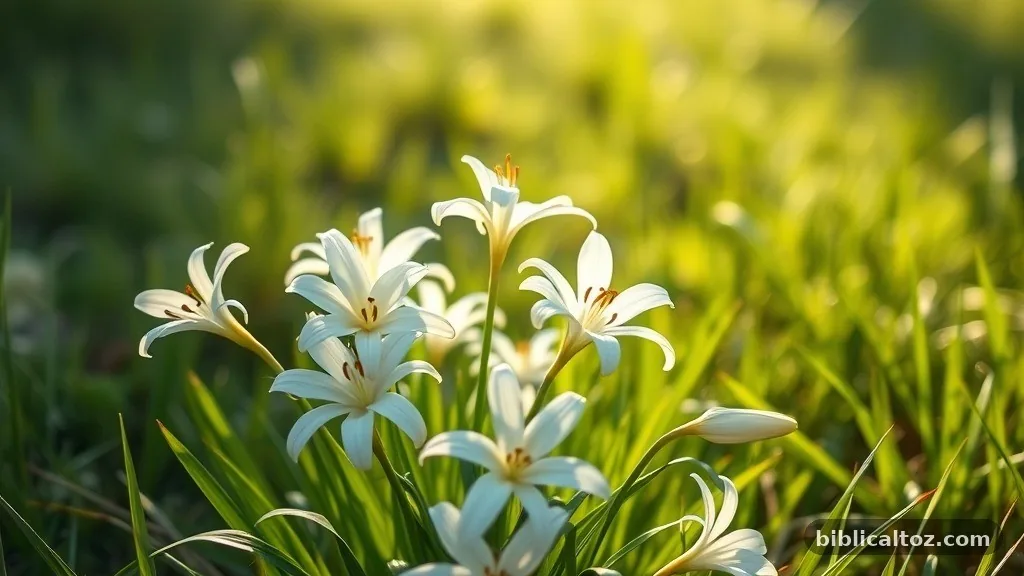
Perhaps the most famous floral reference appears in the Song of Solomon, where the author describes a beloved as the “lily of the valleys.” In the Hebrew context, this term likely referred to a variety of wild flowers, such as the anemone or the narcissus, rather than the modern white lily. This flower represents purity, elegance, and the delicate nature of love within the garden of the heart.
Hyssop and Cleansing
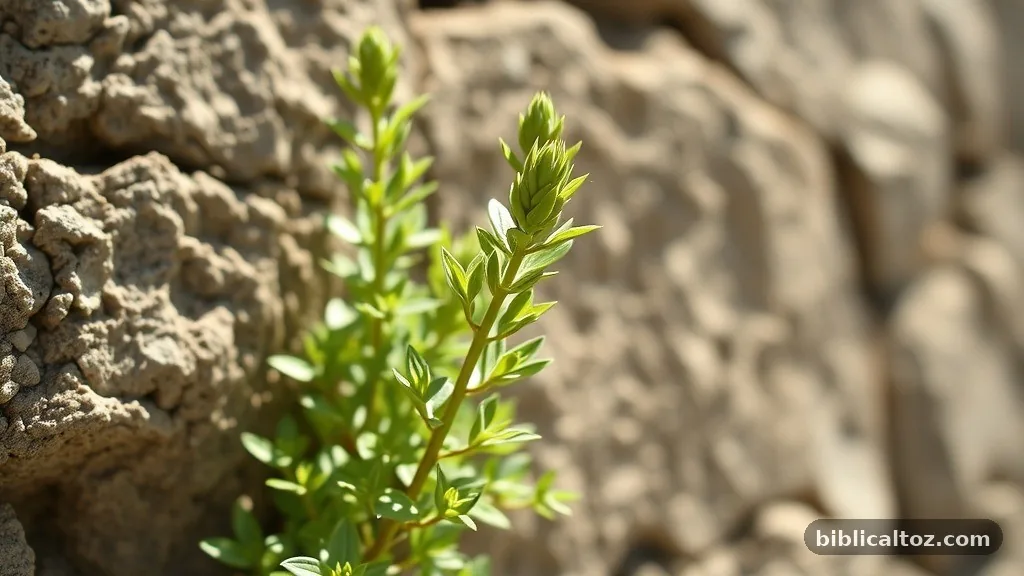
Hyssop is frequently mentioned in the Old Testament, particularly in contexts involving purification rituals. It was a modest, bushy plant used in religious ceremonies to apply blood or water. Its symbolism is rooted in the concepts of humility and the necessity of spiritual cleansing, marking it as a vital tool in the eyes of the ancients.
The Spiritual Significance of Wild Flowers
When Jesus spoke about the flowers of the field, He was drawing a direct parallel between the natural world and the care of God. He used the transient nature of wild flowers to challenge the anxieties of his followers, contrasting their fleeting bloom with the eternal nature of the divine.
God’s Provision for Nature
In the Gospels, Jesus points to the wild flowers, noting that even Solomon in all his glory was not arrayed like one of these. This teaching highlights that if the Creator clothes the grass—which is here today and cast into the oven tomorrow—He will certainly provide for the needs of humanity. This serves as a reminder that beauty and worth are not earned through human effort but are bestowed by a loving Creator.
The Myrtle and Restoration
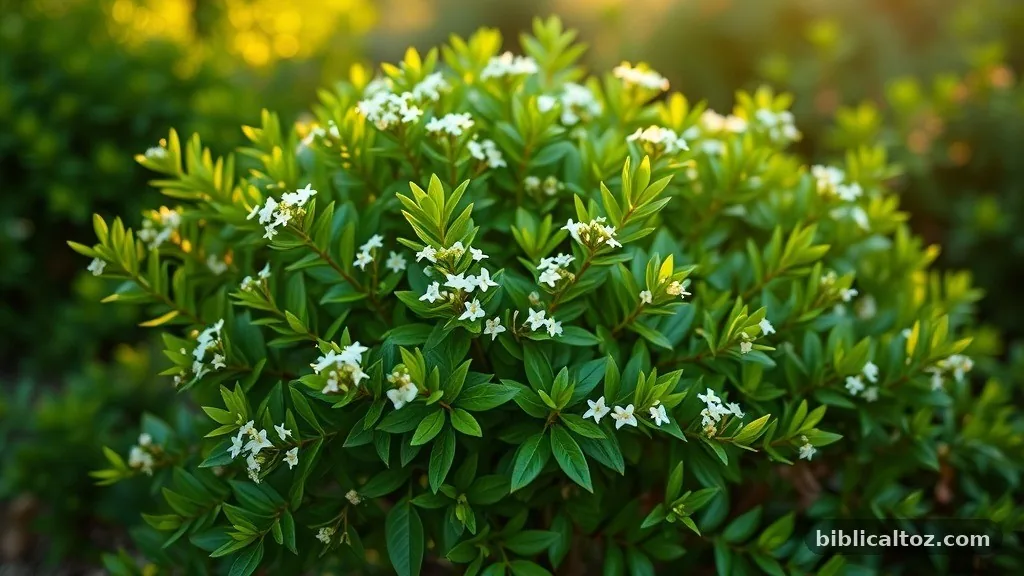
The myrtle is often associated with peace, joy, and the restoration of the land. In the book of Isaiah, the myrtle is mentioned as a sign of blessing, replacing the thorn and the brier. This transition signifies the transformation of a barren place into a garden, reflecting the spiritual renewal promised to those who remain faithful.
Common Questions Regarding Biblical Flora
Readers often wonder about the specific preferences or restrictions mentioned in ancient texts. While the Bible does not explicitly name a “favorite” flower of Jesus, the context of his teachings suggests he held a deep appreciation for the uncultivated, wild beauty of the Galilee region.
Are there flowers that should not be offered?
The Bible does not provide a list of flowers that are forbidden to be offered to God. Instead, the focus is placed on the condition of the heart rather than the specific type of plant. The emphasis remains on the sincerity of the sacrifice rather than the aesthetic value of the offering.
The Olive Tree as a Floral Representative
While not a flower in the traditional ornamental sense, the olive is one of the most significant plants in the Bible. It represents peace, light, and the spirit of God. Its presence in the garden of Gethsemane underscores its importance, as it remains a symbol of endurance and the intersection of human history with the divine.
Reflecting on Nature in Scripture
The study of flowers in the Bible reveals a consistent theme: the natural world is a living testament to the character of God. From the humble hyssop to the vibrant blooms of the valley, these plants are used to teach lessons about trust, humility, and the inevitable cycle of life. By observing these references, readers gain a better understanding of the cultural and spiritual landscape that defined the biblical world.