The Significance and Meaning of the Number 7 in the Bible
The number seven is widely regarded as one of the most significant numerical symbols in scripture, appearing hundreds of times across both the Old and New Testaments. While many readers encounter this figure in various contexts, the number seven meaning in the Bible is most frequently associated with the concept of spiritual perfection and divine completion.
Divine Completion and Perfection
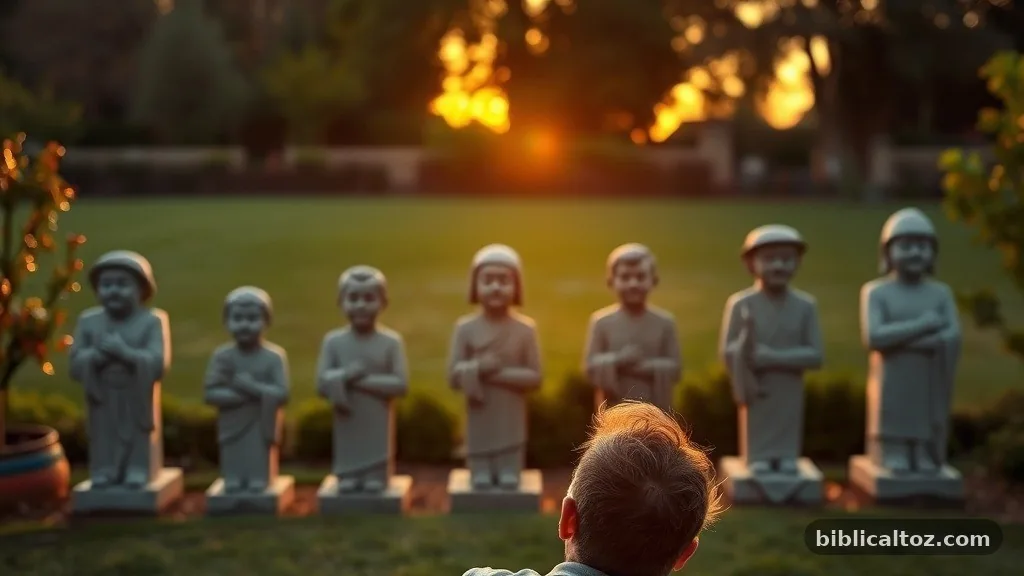
In biblical theology, the number seven is often linked to the idea of a finished work. This association finds its roots in the creation narrative found in Genesis. After God spent six days forming the heavens and the earth, He rested on the seventh day, declaring it holy.
This act established a pattern that would repeat throughout the word of God. By resting, the Creator signaled that the task was entirely accomplished and perfect in its design. Consequently, when readers encounter the number seven in the KJV or NASB translations, it often serves as a marker for a cycle that has reached its intended conclusion.
The Seven-Day Cycle and Time
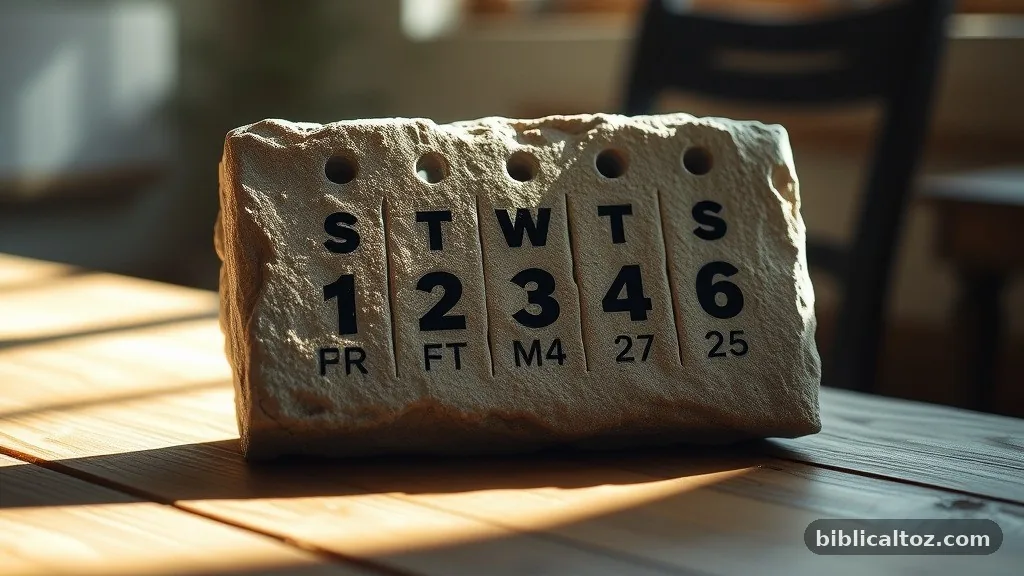
The structure of the week is perhaps the most common way believers interact with this numerical pattern today. Because the seventh day was set apart, the number seven became the foundational unit of time for the Israelites.
Cycles of Rest and Release
This pattern extended beyond the weekly Sabbath into the agricultural and social life of the nation. For example, the land was to experience a Sabbath rest every seventh year, and after seven cycles of seven years, the Year of Jubilee was announced. These laws were delivered to ensure that the people remained dependent on divine provision rather than their own labor.
Symbolism in Prophetic Literature
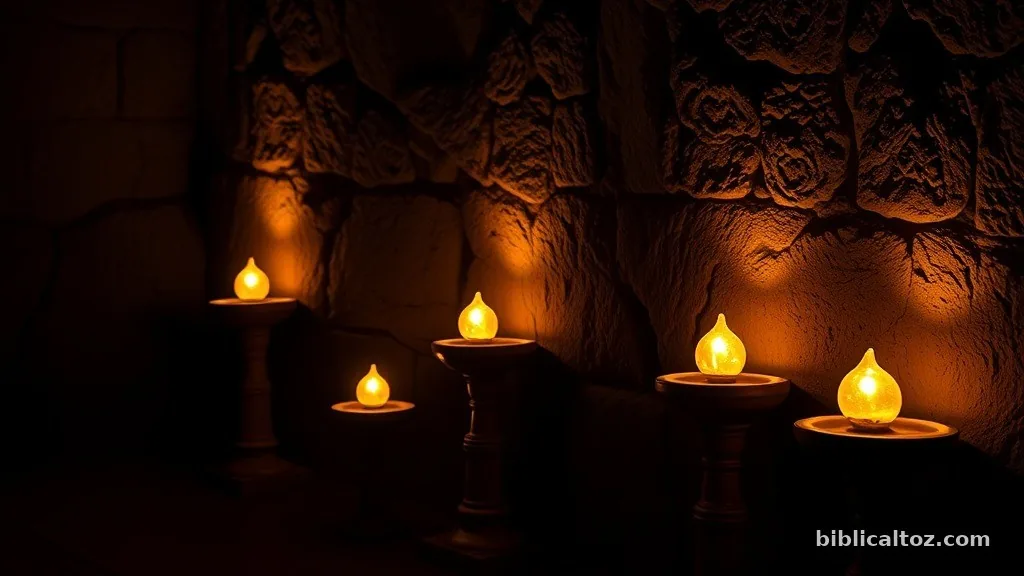
The number seven appears with striking frequency in prophetic books, particularly in the visions recorded in Revelation. In this context, the number is often used to signify the fullness of God’s judgment or the entirety of a spiritual reality.
* Seven Churches: These represent the complete scope of the church age.
* Seven Seals and Trumpets: These signify the total unfolding of divine purpose during the end times.
* Seven Spirits: This imagery points to the fullness and perfection of the Holy Spirit.
By using this number, the biblical authors emphasize that these events are not random or incomplete; they are part of a sovereign plan that is unfolding exactly as intended.
Common Questions Regarding Biblical Numerology
Many students of scripture ask whether these numbers are meant to be interpreted literally or symbolically. While some instances, such as the seven days of creation, are presented as chronological, other instances serve a more thematic purpose.
When you get into the deeper study of biblical numerology, it is helpful to look at the context surrounding the mention. Whether it describes the seven branches of the golden lampstand or the seven times a leper was told to wash in the Jordan, the number consistently points back to the character of the Creator.
It acts as a reminder that God is the author of order, and His timing is always precise. If you are looking for further resources to study these patterns, cross-referencing different versions of the text can provide a clearer perspective on how the original writers used numbers to convey theological truth.