Types of Prayer in the Bible: A Biblical Study
When you look at the pages of Scripture, you see a rich tapestry of communication between humanity and the Creator. Understanding various types of prayer in the Bible helps believers move beyond rote repetition and into a deeper, more intentional relationship with God.
Whether you are seeking comfort, direction, or a way to express gratitude, the ancient patterns found in the text provide a roadmap for your own spiritual life. By examining these diverse expressions of faith, you gain the confidence to approach the Lord with sincerity and biblical clarity, knowing that your words are heard and valued.
Direct Biblical Answers to Prayer
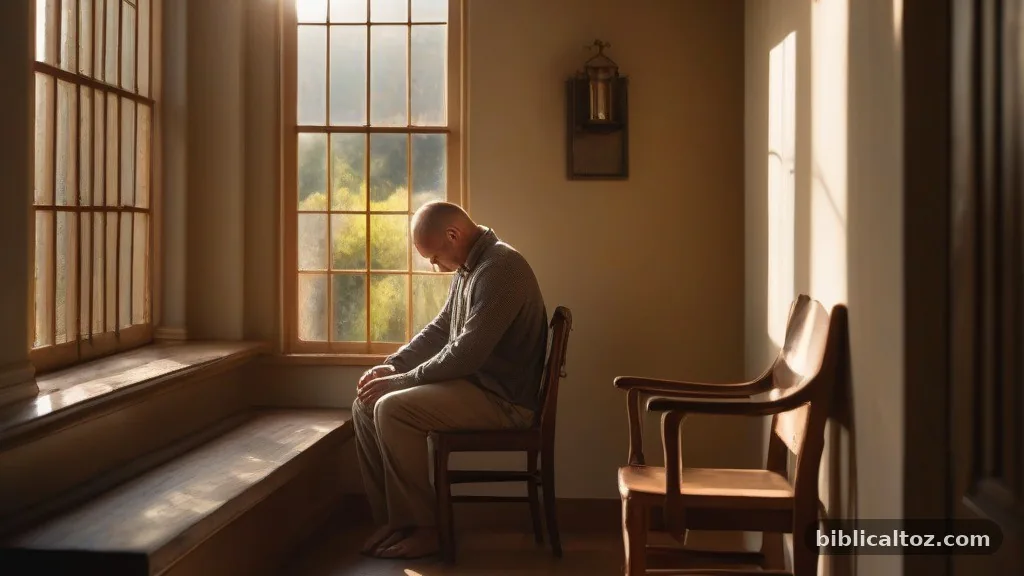
At its core, prayer is simply talking to God. The Bible does not provide a rigid list of categories that we must check off, but it does show us different postures of the heart. When you pray, you are entering into a dialogue with the Almighty, acknowledging His sovereignty while expressing your genuine human needs.
The Scriptures reveal that prayer is not about using complex formulas or specific jargon to get what you want. It is about aligning your will with His and presenting your heart openly before the throne of grace. Whether you are crying out in distress or offering a simple word of thanks, the act of prayer is a fundamental expression of trust in a God who is both present and powerful.
Biblical Foundation for Communication

The foundation of all biblical prayer rests on the character of God. Throughout the Old and New Testaments, we see that prayer is rooted in a covenant relationship. When the disciples asked Jesus how to pray, He gave them a model that included adoration, petition, confession, and submission.
This teaches us that prayer is multifaceted; it is not just a shopping list of requests. Scripture encourages us to bring every aspect of our lives before Him, knowing that He cares for us.
Because God is our Father, we are invited to approach Him with boldness, yet with the reverence due to the King of Kings. Every prayer you offer is grounded in the truth that He is the sustainer of life.
Examples of Different Approaches
The Bible is filled with individuals who demonstrated various ways to communicate with the Lord. Consider these examples of how different situations called for different types of prayer:
- David: His psalms are filled with laments, expressing deep sorrow and raw honesty during times of persecution.
- Daniel: He practiced regular, disciplined petition, turning his face toward Jerusalem even when it put his life in danger.
- Jesus: In the Garden of Gethsemane, He offered a prayer of total surrender, choosing the Father’s will over His own comfort.
- Solomon: At the dedication of the temple, he offered a prayer of dedication and intercession for the future of the nation.
- Paul: His letters are saturated with prayers of thanksgiving and requests for the spiritual maturity of the early churches.
Characteristics and Elements of Prayer

To help you categorize these expressions, it is useful to look at the primary elements that define them. While these overlap in real life, they serve as helpful markers for your daily devotion.
| Type | Focus | Biblical Basis |
|---|---|---|
| Adoration | Praising God for His nature | Psalm 103 |
| Confession | Admitting sins and seeking mercy | 1 John 1:9 |
| Thanksgiving | Expressing gratitude for blessings | Philippians 4:6 |
| Supplication | Asking for specific needs | James 5:16 |
Practical Steps for Your Daily Life
If you want to deepen your practice, start by dedicating a specific time each day to be still. Find a quiet place where you can focus without distraction. Begin your session by acknowledging who God is—this is the act of adoration.
Then, move to a time of reflection where you confess any areas where you have fallen short. Follow this by presenting your specific needs and the needs of others, which is the act of intercession.
Finally, conclude by listing things you are thankful for, as this shifts your perspective from your problems to God’s faithfulness. Consistency is more important than length, so try to make this a daily rhythm.
Common Misunderstandings

Many people struggle with misconceptions that hinder their prayer life. One common error is believing that God only answers if we use the “right” words or phrases. Scripture shows us that He looks at the heart, not the eloquence of our speech.
Another mistake is thinking that prayer is a way to manipulate God into doing what we want. True prayer is about aligning ourselves with His purposes. Some also feel that they must be in a perfect state of holiness before they can approach Him.
However, the Bible invites us to come just as we are, relying on His grace. Finally, don’t assume that silence from God means He isn’t listening; often, He is working in ways we cannot yet see.
Related Bible Verses
* Matthew 6:9-13: The Model Prayer given by Jesus.
* Philippians 4:6-7: The command to pray with thanksgiving.
* 1 Thessalonians 5:17: The call to pray without ceasing.
* Hebrews 4:16: Encouragement to approach the throne with confidence.
* James 5:16: The power of intercessory prayer among believers.
* Psalm 55:17: The habit of evening, morning, and noon prayer.
* Colossians 4:2: The importance of being watchful and thankful.
* 1 Timothy 2:1: The instruction to offer petitions and prayers for all people.
Frequently Asked Questions
Is there a specific posture I should use when praying?
The Bible mentions various postures, including kneeling, standing, lifting hands, and even lying face down. There is no single “correct” physical position. What matters most is the posture of your heart. God is not concerned with your physical stance as much as He is with your sincerity and humility before Him. Use whatever posture helps you feel most focused and respectful during your time of communication.
How do I know if I am praying correctly?
If your prayer is directed toward God, rooted in the teachings of Scripture, and offered with a sincere heart, you are on the right path. Do not worry about whether your prayers sound “religious” enough. God delights in hearing from His children. If you are seeking to align your will with His and are coming to Him in faith, you are participating in the very essence of biblical prayer.
What if I don’t know what to say?
When you find yourself at a loss for words, turn to the Psalms. Many believers throughout history have used these prayers as their own when their hearts were too heavy or confused to articulate thoughts. You can also simply sit in silence before God. The Bible tells us that the Spirit helps us in our weakness and intercedes for us when we don’t know how to pray as we ought.
Conclusion
Developing a consistent life of prayer is a journey that lasts a lifetime. By recognizing the various types of prayer in the Bible, you can enrich your daily walk and find new ways to connect with the Lord.
Whether you are offering a prayer of praise, a cry for help, or a heartfelt thanks, remember that the goal is always relationship. God is not a distant deity; He is a loving Father who invites you to bring everything to Him.
Start small by incorporating these different elements into your quiet time this week. As you practice, you will find that your heart becomes more attuned to His voice and your faith grows stronger. Keep seeking Him, and trust that He is always listening to the prayers you offer in His name.