Trumpet Symbolism in the Bible
Trumpet symbolism in the Bible spans centuries of tradition, serving as a powerful auditory marker for divine intervention and human response. From the ancient wilderness of Israel to the prophetic visions recorded in the New Testament, these instruments were rarely used for mere music; instead, they functioned as functional tools for communication, assembly, and spiritual warfare.
The Origin and Function of Silver Trumpets
In the book of Numbers, the Lord instructed Moses to fashion two silver trumpets to serve the congregation. These were not the curved ram’s horns often seen in popular culture, but hammered instruments intended for specific, regulated purposes.
Communication and Order
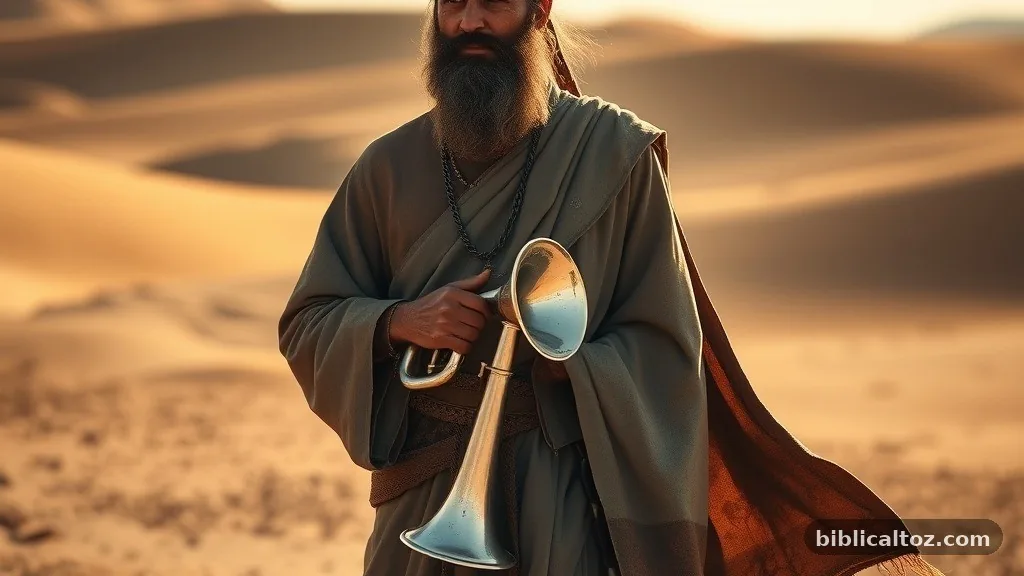
The sound of these silver instruments dictated the movement of the people of Israel. A long, steady blast signaled that the entire assembly should gather at the entrance of the meeting tent, while a single blast called only the tribal leaders to attention. By using distinct signals, the priests could organize a massive population, ensuring that every person knew exactly when to move or when to stand their ground.
The Role in Worship
Beyond logistics, these instruments played a vital role in the sacrificial system. During burnt offerings and fellowship sacrifices, the priests would blow the trumpets as a memorial before God. This act was meant to bridge the gap between the earthly realm and the divine, signaling that the people were mindful of their covenant responsibilities.
The Feast of Trumpets
The Feast of Trumpets, known in Hebrew as Yom Teruah, represents one of the most significant holy days in the biblical calendar. This day was marked by the blowing of the shofar, or ram’s horn, rather than the silver variety used by priests.
A Call to Repentance
The primary purpose of this day was to stir the hearts of the people toward introspection and repentance. The piercing sound of the horn acted as an alarm, intended to wake the soul from spiritual slumber. It served as a precursor to the Day of Atonement, reminding the community that they must be prepared to stand before the Lord.
Prophetic Significance
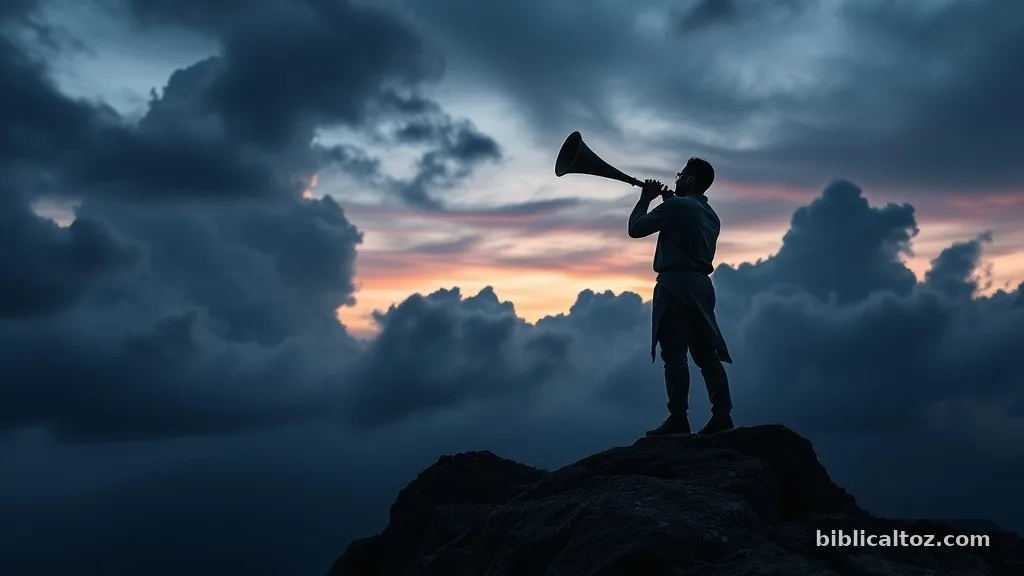
Many scholars see the Feast of Trumpets as a shadow of future events. It is often linked to the concept of a final gathering, where the blowing of a horn will signify the end of an era and the beginning of a new period of divine judgment or restoration.
Trumpets in Prophecy and Revelation
The imagery of the trumpet reaches its climax in the book of Revelation. Here, the sound is no longer just a call to gather the tribes of Israel, but a cosmic signal that triggers cataclysmic changes in the world order.
The Seven Trumpets
In the visions granted to John, seven angels are given seven trumpets. As each one sounds, a new phase of judgment unfolds upon the earth. These are not merely symbolic warnings; they are active agents of change that alter the environment, the seas, and the political landscape of the world. Each blast represents a specific moment where the divine will asserts itself over human history.
The Final Trump and the Return of Jesus Christ
The New Testament frequently references the “last trump” or the “trump of God.” This is the ultimate signal of the resurrection and the return of Jesus Christ. Paul the Apostle writes that at the sound of this final blast, the dead will be raised and the living will be transformed in the twinkling of an eye.
This event is the culmination of all previous biblical symbolism. Just as the silver instruments once called the people of Israel to attention in the wilderness, this final sound will summon the faithful to meet the Lord in the air. It represents the transition from the temporal world into an eternal state, marking the day when the kingdom of the world finally becomes the kingdom of God.