The Feast of Tabernacles and Its Modern Significance: A Biblical Study
The Feast of Tabernacles and its modern significance remains a point of deep reflection for those interested in the historical and spiritual roots of the biblical calendar. Known as Sukkot, this autumn festival serves as a poignant reminder of divine provision and the promise of God dwelling among His people.
By looking at the ancient requirements and the later events surrounding the life of Jesus, we gain a clearer view of why these holy days mattered then and how they continue to shape theological thought today. Understanding these traditions provides a window into the narrative of faith that bridges the gap between the wilderness journeys of old and contemporary spiritual life.
Understanding the Terminology: What Is Sukkot?
The term Sukkot refers to the Hebrew word for booths or tabernacles. It is a festival commanded in the Torah, marking the time when the Israelites lived in temporary shelters during their forty-year journey through the wilderness. By building and dwelling in these structures, the people were instructed to remember their humble beginnings and their absolute reliance on the Lord for safety and sustenance.
Historical Foundations in the Bible
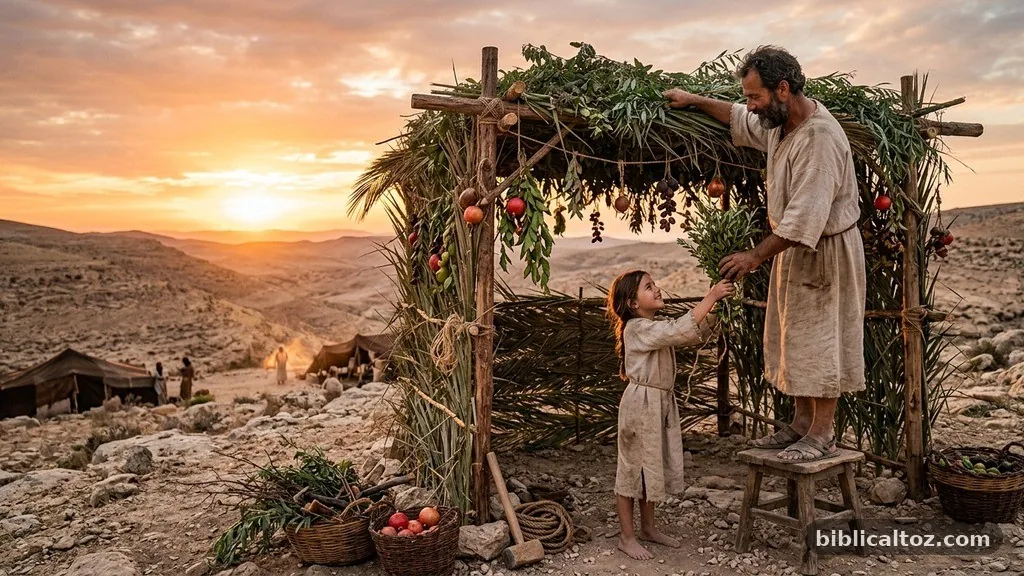
The biblical record provides specific instructions for the observance of this feast. Leviticus 23:33-43 outlines the timing, beginning on the fifteenth day of the seventh month, and lasting for seven days.
Deuteronomy 16:13-17 emphasizes the joy of the festival, calling it a time of gathering the produce of the threshing floor and the winepress. It was a pilgrimage festival, meaning that all males were expected to appear before the Lord in the place He chose.
The Symbolism of Temporary Booths
Living in temporary booths served a dual purpose. Historically, it commemorated the physical shelters used during the exodus from Egypt. Spiritually, it acted as a lesson in humility.
The fragility of the booth contrasted with the permanent nature of God’s protection. It reminded the people that while their earthly dwellings were temporary, their security was found entirely in the presence of the Creator.
Harvest and Divine Provision
The Feast of Tabernacles is also known as the Feast of Ingathering, as it occurred at the end of the agricultural cycle. It was a time of immense gratitude for the year’s harvest.
This celebration connected the physical reality of food security with the spiritual reality of God as the ultimate Provider. When the people gathered their crops, they were commanded to recognize that the land’s fruitfulness was a gift from above.
The Theme of God’s Presence
Central to the feast is the concept of God dwelling among His people. This theme permeates the Old Testament, from the construction of the tabernacle in the desert to the dedication of the temple in Jerusalem.
During the festival, the focus shifted toward the anticipation of God’s continued presence. It was a time to celebrate that the Creator did not abandon His people but walked with them through every season of their history.
The Historical Record of Nehemiah 8
After the return from the Babylonian exile, the people rediscovered the law and observed the feast with great fervor. Nehemiah 8:13-18 describes a moment of national renewal.
The people went out to the hills, gathered branches of olive, pine, and myrtle, and made booths on their roofs and in their courtyards. This account highlights the power of returning to biblical foundations to foster unity and spiritual growth.
Jesus and the Feast in John 7
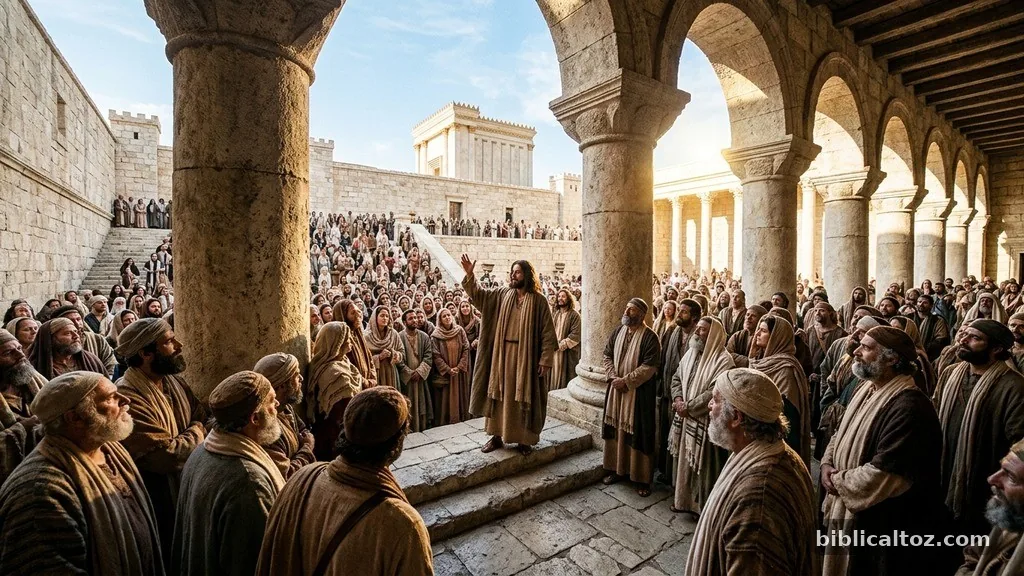
The Gospel of John provides a significant account of Jesus attending the feast in Jerusalem. In John 7, Jesus arrived in the middle of the week, teaching in the temple courts.
The atmosphere was charged with expectation. By participating in this festival, Jesus highlighted the fulfillment of the themes the feast represented, specifically the outpouring of the Holy Spirit.
Living Water and the Holy Spirit
On the final, greatest day of the feast, Jesus stood and cried out, saying that anyone who thirsts should come to Him and drink. As noted in John 7:39, this invitation pointed toward the Holy Spirit, whom those who believed in Him would later receive. This moment transformed the traditional water-pouring ceremony of the feast into a prophetic declaration about the internal, spiritual life offered through Him.
The Light of the World
In the context of the temple’s lighting ceremonies, which occurred during the feast, Jesus declared in John 8:12 that He is the light of the world. This statement drew upon the imagery of the pillar of fire that guided Israel in the wilderness. It signaled that the same God who led the people through the desert was now present in the person of Jesus, offering direction and truth to all.
Biblical Prophecy and Future Hope
The book of Zechariah, specifically chapter 14, contains a vision regarding the nations coming to worship the King at the Feast of Tabernacles. This text is often interpreted as a prophetic look toward a time of universal peace and the recognition of God’s sovereignty. While interpretations vary, the core message remains one of hope, centering on a future where all people acknowledge the Lord.
Modern Significance for Christians
For many Christians today, the feast serves as a meaningful framework for reflection. It encourages a life of gratitude, acknowledging that every provision comes from the Lord.
It also highlights the importance of dependence on God rather than earthly stability. While the feast is not a mandatory requirement for salvation, many find that studying its themes deepens their appreciation for the biblical narrative and the historical context of their faith.
Common Misunderstandings
A frequent misconception is that observing or studying the feast is an attempt to return to a legalistic system. However, for many, the focus is not on ritual obligation but on the educational value of the biblical calendar. Another misunderstanding is the idea that the feast is exclusively for a specific group of people, whereas the biblical narrative emphasizes that God’s presence and provision are for all who seek Him.
Comparative Themes of the Feast
| Biblical Theme | Feast Context | Christian Reflection |
|---|---|---|
| Wilderness Journey | Living in booths | Reliance on God in life’s transitions |
| Harvest | Ingathering of crops | Gratitude for daily provision |
| God’s Presence | Dwelling with Israel | The indwelling of the Holy Spirit |
| Future Hope | Prophetic vision | Anticipation of eternal communion |
Frequently Asked Questions
Why is the Feast of Tabernacles important?
It serves as a powerful reminder of God’s historical faithfulness in the wilderness and His promise to dwell among His people.
How do people celebrate the feast today?
Observances vary widely, from building physical booths or sukkot to simply studying the biblical passages and reflecting on the themes of gratitude and provision.
Are Christians required to keep the feast?
There is no biblical mandate for Christians to observe these holy days as a requirement for salvation; however, many find them valuable for spiritual growth.
How does the feast connect to the Holy Spirit?
Jesus used the timing and imagery of the feast in John 7 to explain the coming of the Holy Spirit, who would reside within believers.
What is the meaning of the booth?
The booth represents the temporary nature of earthly life and the necessity of relying on God for security and protection.
Conclusion
The Feast of Tabernacles and its modern significance invite us to pause and consider the threads of history that connect us to the biblical record. By observing the themes of provision, gratitude, and the enduring presence of God, we can gain a richer understanding of the faith. Whether one chooses to study these events privately or engage with them in a community setting, the heart of the message remains the same: we are invited to walk with the Creator through every season of our lives.
We hope this study has provided clarity and encouragement for your personal journey. To continue your exploration of biblical history and tradition, feel free to browse more resources on BiblicalToZ.