What Does the Bible Say About Ghosts: A Theological Perspective?
Many people find themselves wondering what the bible say about ghosts when they encounter unexplained phenomena or grapple with the loss of a loved one. Scripture offers a unique window into the spiritual realm, distinguishing between the souls of the departed, angelic beings, and demonic influences.
By examining key passages, we can move past cultural folklore and look toward a grounded understanding of how God interacts with the unseen world. Exploring these ancient texts provides comfort to the grieving and clarity to those seeking truth in the midst of mystery.
The Nature of the Spiritual Realm
The Bible does not present a single, monolithic view of what we might call “ghosts” in the modern sense. Instead, it describes a complex reality where God, His holy angels, and fallen spirits operate. The Hebrew and Greek terms often translated as “spirit” or “ghost” usually refer to breath, wind, or an incorporeal being, but they rarely match the contemporary image of a lingering human soul haunting a house.
For the believer, the primary focus is not on the presence of spirits but on the sovereignty of God. The afterlife, as depicted in the pages of the Bible, is a place of defined boundaries. Once a life on earth concludes, the spirit returns to the One who gave it, rather than wandering the earth in a state of confusion or unfinished business.
Key Scriptural Accounts of Apparitions
To understand the biblical perspective, we must look at specific narratives where spiritual figures appear. Each instance is distinct and serves a particular purpose in the divine narrative, rather than acting as a general rule for the existence of ghosts.
The Medium at Endor
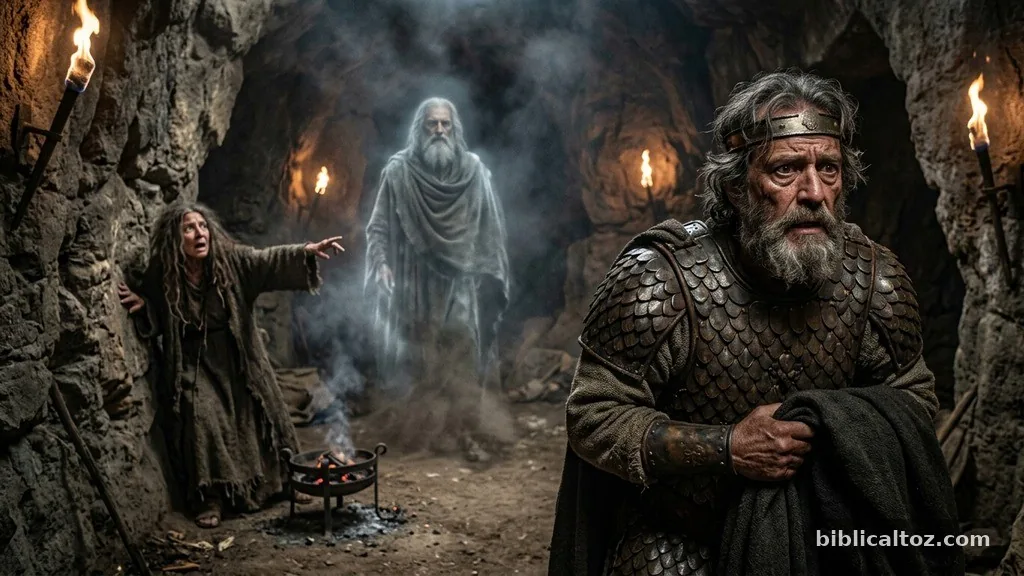
In 1 Samuel 28, King Saul seeks out a medium to contact the prophet Samuel after his death. This passage is frequently cited in discussions about the dead, yet it is often misunderstood.
The text describes the medium’s shock when Samuel actually appears, suggesting this was an extraordinary event allowed by God rather than a standard practice of necromancy. It serves as a strong warning against seeking the dead, as Saul’s actions were explicitly forbidden by the law.
The Disciples and the Appearance of Jesus
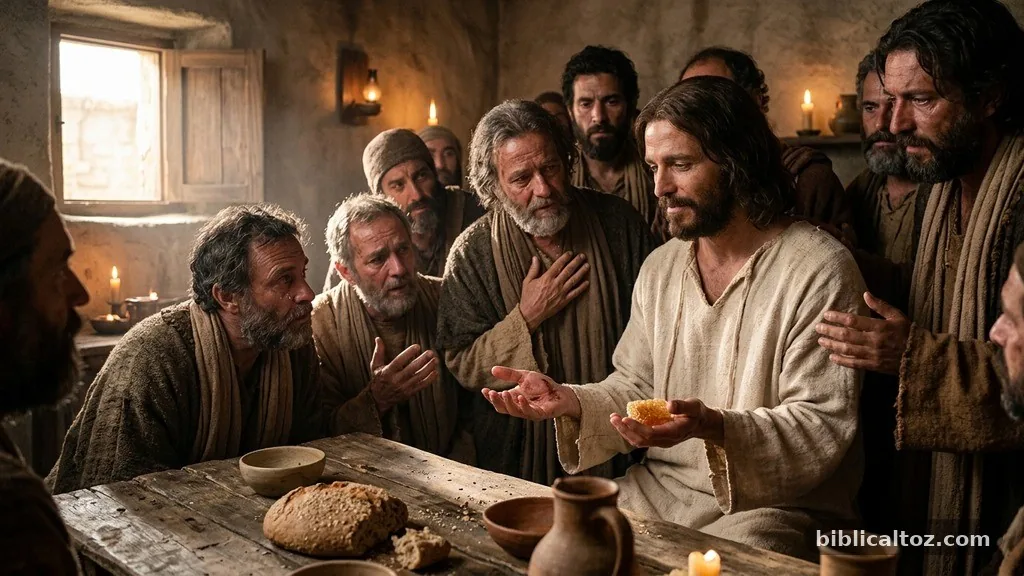
In Luke 24:36–43, Jesus appears to His disciples after the resurrection. Terrified, they assume they are seeing a spirit. Jesus addresses their fear directly by showing them His hands and feet and eating food in their presence.
He clarifies that a spirit does not have “flesh and bones” as He does. This passage shows that while the disciples had a concept of ghosts, Jesus used this moment to ground them in the reality of His physical resurrection, not to validate the existence of ghosts as wandering human souls.
Walking on the Water
Matthew 14:22–33 records the disciples seeing Jesus walking on the sea. They cry out in fear, calling Him a ghost. Their reaction reflects their human limitation and their immediate cultural superstition, not a theological statement on the nature of the dead.
Jesus immediately calms them, identifying Himself as the Lord of the storm. This encounter highlights that what we perceive as supernatural or spectral is often simply a lack of recognition of God’s presence.
Comparing Biblical Concepts
It is helpful to contrast how the Bible treats the spirit world compared to common cultural assumptions. The following table outlines these differences.
| Concept | Cultural Folklore | Biblical Teaching |
|---|---|---|
| Nature of the Dead | Wandering souls with unfinished business | Resting in God’s presence or awaiting judgment |
| Communication | Contact through mediums and seances | Prohibited; focus should be on God alone |
| Spiritual Activity | Neutral or friendly spirits | Angelic or demonic; no human spirits |
Departed Souls and the Finality of Death
The Bible consistently emphasizes the finality of the transition from life to death. Ecclesiastes 9:5 reminds us that the dead know nothing of the affairs of the living, reinforcing the idea that they do not remain engaged in earthly pursuits. Furthermore, Hebrews 9:27 states that it is appointed for people to die once, and after that, they face judgment.
These verses provide a clear boundary. The idea of a soul remaining on earth to resolve conflict or interact with family is inconsistent with the biblical depiction of the afterlife. When we feel the presence of a loved one, it is often better to view it as a cherished memory or the comfort of the Holy Spirit, rather than the literal presence of the deceased.
Practical Ways to Respond to Fear
Fear of the unknown is a natural human response, but it is not a state in which God intends for us to live. If you find yourself unsettled by unusual experiences, consider these steps:
- Ground yourself in prayer: Speak directly to God about your fears and ask for His peace.
- Focus on Scripture: Meditate on verses that emphasize God’s power over all spiritual forces.
- Evaluate your environment: Sometimes what we perceive as supernatural is a result of stress, grief, or physical fatigue.
- Seek community: Talk to a trusted pastor or mentor who can provide a balanced, pastoral perspective.
- Avoid occult practices: Refrain from engaging with mediums, tarot cards, or other attempts to contact the dead.
Frequently Asked Questions
Are ghosts biblical?
The Bible does not support the existence of “ghosts” as the wandering souls of deceased humans. While it acknowledges the existence of spiritual beings—such as angels and demons—and records rare, divinely ordained appearances of the dead, these do not equate to the modern concept of hauntings.
Can dead loved ones return to visit us?
Scripture teaches that the dead have moved on to their eternal destination. The Bible does not provide evidence that departed family members return to earth to visit or interact with the living. Any perceived visitation should be handled with caution and prayer, focusing on the comfort God provides directly.
What should I do if I feel afraid in my home?
Fear is often a response to the unknown. Start by inviting God’s presence into your home through prayer. Remember that you are under the protection of the Creator. If the fear persists, consider the practical aspects of your environment, such as the impact of grief or stress, and seek support from your church community.
Why did the disciples think they saw a ghost?
The disciples were humans shaped by their culture. When they saw Jesus walking on water or appearing after the resurrection, their initial reaction was fear based on their limited understanding. Jesus consistently corrected their perspective, teaching them that their fear was misplaced and that He was truly present.
Conclusion
Finding peace regarding what the bible say about ghosts begins with trusting in the character of God. The scriptures invite us to focus our attention on the living Christ rather than the mysteries of the unseen.
While the idea of spirits can be unsettling, we are reminded that we are never left to navigate our fears or our grief alone. God provides the comfort of His presence, the wisdom of His word, and the support of a faith community.
As you continue to reflect on these matters, keep your heart open to the truth found in the text. There is no need to fear the unknown when you are anchored in the love of the One who holds the keys to life and death. If you have concerns, bring them to God in prayer and seek the guidance of those who are well-versed in the scriptures, ensuring your path remains rooted in faith and tranquility.