The 12 Tribes of Israel: Meaning, Origin & Historical Context
The 12 tribes of Israel serve as the foundational structure for the nation of Israel throughout the biblical narrative. Originating from the sons of Jacob, these groups define the genealogical and geographical identity of God’s people as they transition from a single family into a vast covenant community.
Understanding how these tribes formed and how they functioned provides essential context for the rest of the Old Testament and the unfolding of redemptive history. By examining the biblical record of these families, you can gain a much clearer picture of how divine promises shaped the identity of the ancient world.
The Origin of the Tribes
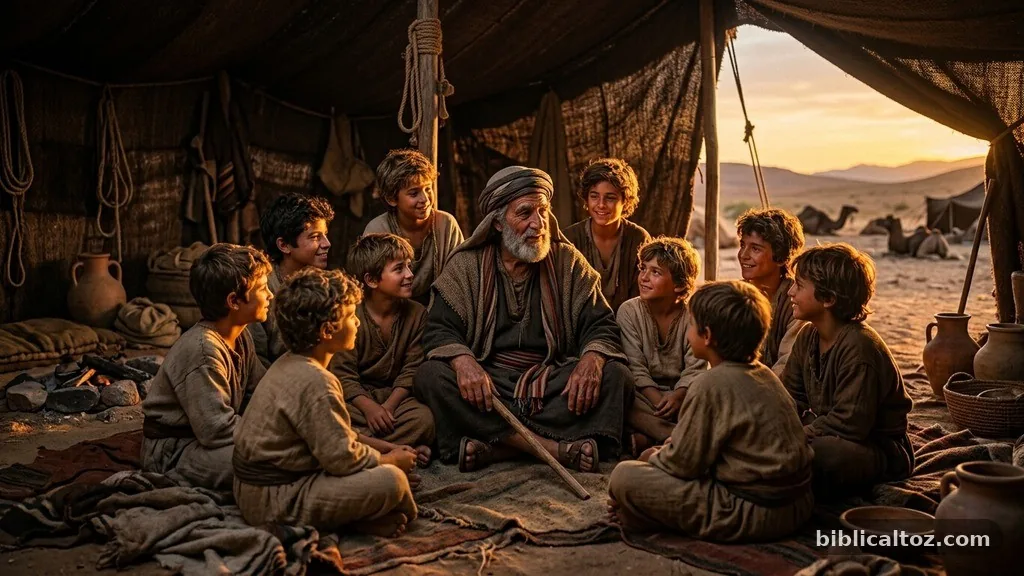
The history of the twelve tribes of Israel begins with the patriarch Jacob, whose name was later changed to Israel by God. Jacob fathered twelve sons through four different women: Leah, Rachel, Bilhah, and Zilpah.
These twelve men became the patriarchs of the tribes that would eventually grow into a massive population during their time in Egypt. The transition from a family unit to a national identity occurred after the Exodus, when the people were organized according to their ancestral lineage under the leadership of Moses.
This organizational structure was not merely for census purposes; it defined how the people lived, traveled, and eventually settled in the Promised Land. Each of Jacob’s sons represented a unique branch of the family tree, and their descendants inherited specific blessings and responsibilities that were tied to their father’s legacy. As the tribes grew, their distinct identities became fixed, creating a complex social and religious fabric that lasted for centuries.
The Twelve Tribes: Names and Backgrounds
The following list identifies the sons of Jacob and the tribes that bore their names. While traditional lore often assigns specific symbols to these groups, the Bible focuses primarily on their roles and the prophetic blessings given to them by their father.
- Reuben: The firstborn, whose name means “behold, a son.” He was the son of Leah.
- Simeon: Meaning “hearing,” he was also a son of Leah.
- Levi: Meaning “joined,” he was the son of Leah and set apart for priestly service.
- Judah: Meaning “praise,” he was the son of Leah and the ancestor of the messianic line.
- Dan: Meaning “judge,” he was the son of Bilhah.
- Naphtali: Meaning “my wrestling,” he was the son of Bilhah.
- Gad: Meaning “fortune,” he was the son of Zilpah.
- Asher: Meaning “happy,” he was the son of Zilpah.
- Issachar: Meaning “reward,” he was the son of Leah.
- Zebulun: Meaning “dwelling,” he was the son of Leah.
- Joseph: Meaning “he will add,” he was the son of Rachel. His line is represented by his sons, Ephraim and Manasseh.
- Benjamin: Meaning “son of my right hand,” he was the son of Rachel.
Key Tribal Data
| Tribe | Mother | Biblical Significance |
|---|---|---|
| Judah | Leah | The royal line and tribe of the Messiah |
| Levi | Leah | The tribe of the priesthood and temple service |
| Ephraim | Asenath (Joseph’s wife) | A dominant tribe in the Northern Kingdom |
| Benjamin | Rachel | Home to the first king, Saul |
Structural Analysis and Tribal Lists
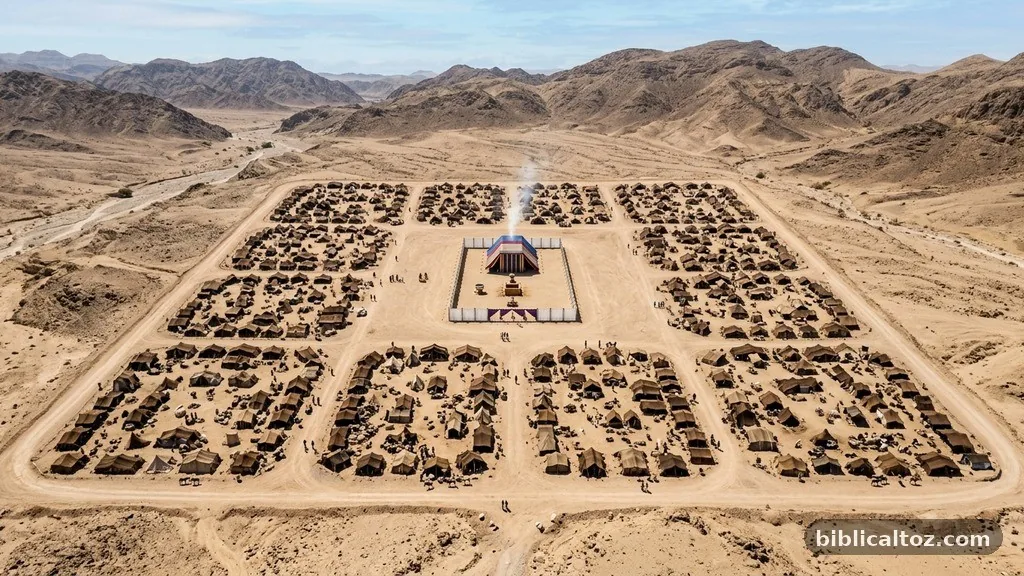
The biblical record often presents the tribes in different orders depending on the context, such as military formation, camp layout, or inheritance. The most notable adjustment involves the tribe of Levi.
Because the Levites were chosen by God to serve in the tabernacle and later the temple, they were not given a standard land inheritance like the other tribes. Instead, they were distributed among the cities of Israel to provide spiritual support and education to the other groups.
To keep the number of land-holding tribes at twelve, the tribe of Joseph was split into two distinct tribes: Ephraim and Manasseh. This adjustment is why you will sometimes see different configurations in the Old Testament. These changes reflect how God managed the administration of the nation, ensuring that the religious functions of the people remained distinct from their territorial responsibilities.
Historical Context and Future Hope
Following the death of King Solomon, the nation split into two distinct entities: the Northern Kingdom, often called Israel, and the Southern Kingdom, known as Judah. The Northern Kingdom consisted of ten tribes, while the Southern Kingdom remained loyal to the house of David, consisting primarily of Judah, Benjamin, and the Levites. Eventually, the Northern Kingdom fell to the Assyrians, leading to the displacement of many people, while the Southern Kingdom was later taken into exile by the Babylonians.
Despite these upheavals, the Bible maintains a focus on the restoration of all the tribes. In the New Testament, the concept of the twelve tribes persists as a symbol of God’s complete people. Even in the prophetic imagery of the book of Revelation, the twelve tribes are mentioned, signifying that God’s covenant promises remain relevant and that His plan for His people spans from the beginning of history into eternity.
Frequently Asked Questions
Do all 12 tribes of Israel exist today?
While the historical records of the tribes became obscure after the various exiles, the Bible views the descendants of Israel as a persistent people. Many individuals today identify as Jewish, tracing their heritage back to the tribes that remained in the land of Judah, but the specific tribal distinctions for the northern groups are not maintained in modern genealogical records.
Why is Joseph not a tribe of Israel?
Joseph is a son of Jacob, but in the lists of tribal inheritance, he is represented by his two sons, Ephraim and Manasseh. This happened because Jacob adopted these two grandsons as his own, effectively giving Joseph a double portion of the inheritance.
Who are the descendants of the 12 tribes of Israel?
The descendants are the Jewish people, who maintain a continuous connection to the covenant established with the patriarchs. Throughout history, these groups have preserved their identity, faith, and adherence to the laws given to their ancestors.
What tribe of Israel was Jesus in?
According to the New Testament genealogies, Jesus was from the tribe of Judah. This is significant because it fulfills the ancient prophecy that the scepter would not depart from Judah, confirming his role as the promised king and deliverer.
Conclusion
Grasping the history of the tribes of Israel is essential for anyone looking to understand the depth of the biblical narrative. These families were not just historical actors; they were the vessel through which God revealed His character, His laws, and His faithfulness to His promises. By studying how these tribes interacted, divided, and were preserved, you gain a better appreciation for the complexity of the ancient world and the endurance of God’s word.
Whether you are reading the accounts of the conquest, the wisdom of the prophets, or the vision of the future, the influence of these twelve families remains a constant thread. Engaging with this history provides a solid foundation for your own journey into the deeper layers of biblical study.