Shield Symbolism in the Bible
The imagery of a shield appears frequently throughout the scriptures, serving as a powerful metaphor for divine protection and the security found in a relationship with the Lord. In the ancient world, a shield was an essential piece of military equipment, designed to deflect arrows and blunt the force of incoming strikes. When biblical authors used this imagery, they were tapping into a familiar reality to communicate deeper spiritual truths about the nature of trust and the character of God.
The Concept of Divine Protection in the Psalms
In the Psalms, the writers often refer to the Almighty as their shield, emphasizing a personal reliance on His defensive power. This is not merely a passive observation but an active declaration of trust during times of distress. When the Psalmist declares that the Lord is their strength and their shield, they are acknowledging that their safety is derived entirely from His intervention rather than their own strategic prowess.
The Meaning of Buckler
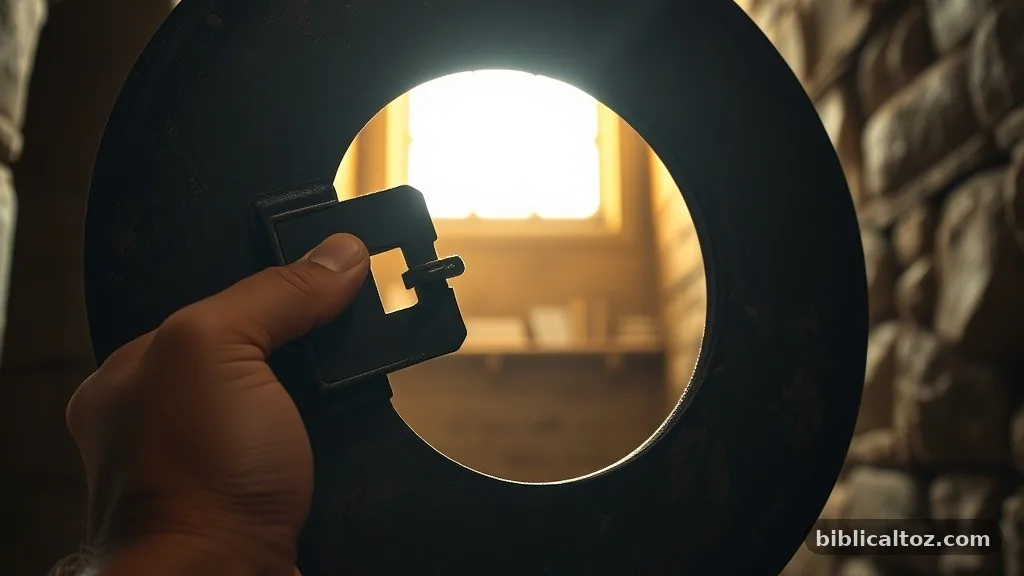
The term “buckler” is frequently used alongside “shield” in older translations of the Bible. While a shield was often a larger piece of equipment carried on the arm, a buckler was typically a smaller, round defensive piece used for close-quarters combat. By using both terms, the writers convey that God’s protection is both comprehensive and versatile, shielding the believer from both distant threats and immediate, intimate dangers.
Shield Faith in the New Testament
The transition from the Old Testament to the New Testament shifts the focus of this metaphor toward the internal life of the believer. In the book of Ephesians, the Apostle Paul introduces the concept of the “shield of faith” as a vital component of the spiritual armor. This is not a physical object, but a spiritual posture that allows a person to extinguish the flaming arrows of the adversary.
Contextualizing the Roman Shield
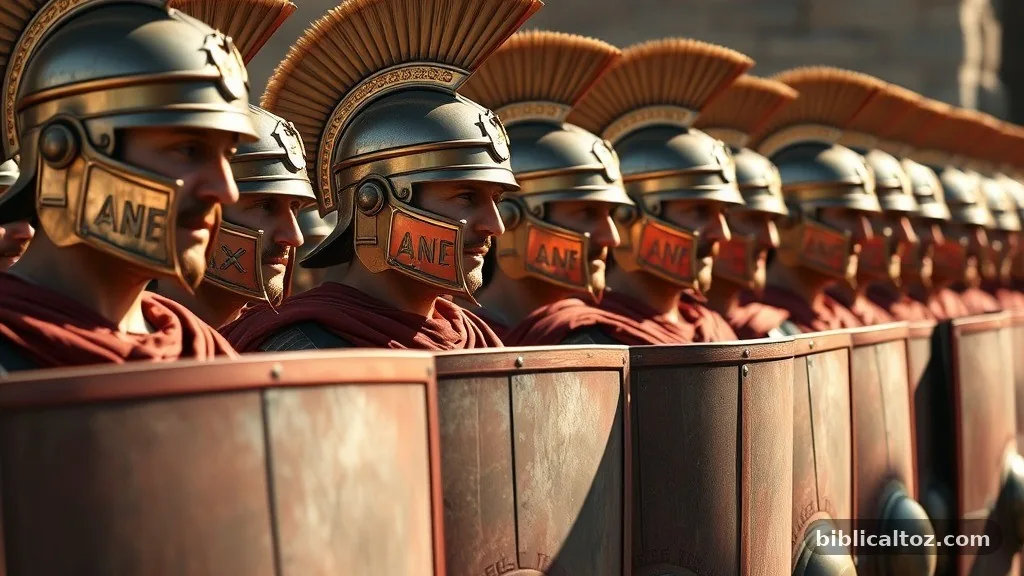
To understand the power of this imagery, it is helpful to consider the Roman military context of the first century. Roman soldiers carried a large, rectangular shield that could be interlocked with others to form an impenetrable wall. This reference suggests that faith is not just an individual endeavor but a collective defense. When believers stand together in their convictions, they create a line of protection that guards the entire community against spiritual attack.
Spiritual Application and Trust
Applying these ancient symbols to modern life involves moving beyond the literal definition found in a standard Bible dictionary. It requires a shift in perspective where the believer recognizes that their internal security is anchored in a higher power. Trusting in this defensive covering allows one to face uncertainty with a sense of calm, knowing that they are not standing alone against the pressures of the world.
Developing Personal Resilience
Taking up the shield of faith is an intentional, daily decision. It involves choosing to rely on divine promises rather than one’s own limited understanding. Just as a soldier would never enter a battlefield without their gear, the believer is encouraged to maintain their spiritual readiness throughout the week. By consistently orienting one’s life toward the truth, the metaphorical shield becomes a practical reality, providing stability when circumstances feel overwhelming.
Summary of Biblical Symbolism
The consistent use of this defensive imagery across both the Old and New Testaments highlights a central theme: the believer is under the constant care of a protective Creator. Whether it is referenced in the Chronicles regarding the battles of kings or in the epistles regarding the struggles of the heart, the message remains the same. The shield is a reminder that while the world may present various challenges, the foundation of one’s hope is secure, unyielding, and right.