Serpent Symbolism in the Bible: From Genesis to Revelation
The representation of snakes throughout scripture is one of the most complex and evolving themes in religious literature. Serpent symbolism in the Bible shifts dramatically, moving from a creature of temptation in the early chapters of Genesis to a metaphor for healing, and finally to a symbol of cosmic evil in the New Testament. Understanding these changes requires a look at how different authors used this imagery to convey moral and spiritual truths.
The Serpent in Genesis and the Fall of Man
The most famous appearance of a serpent occurs in the Garden of Eden. Here, the creature is described as more crafty than any other beast of the field. It initiates a conversation with Eve, casting doubt on the commands of God and questioning the consequences of eating from the Tree of the Knowledge of Good and Evil.
The Nature of Temptation

In this narrative, the serpent functions as an agent of deception. By inviting humanity to question divine authority, the creature introduces the concept of sin. While later theological traditions identify this entity as Satan, the text itself focuses on the serpent’s role as a catalyst for human disobedience. It represents the internal and external pressures that pull individuals away from their moral compass.
The Bronze Serpent and the Theme of Healing
Interestingly, the Bible does not always portray the snake as a malevolent force. During the Exodus, the Israelites complained against God and Moses in the wilderness, leading to an infestation of venomous snakes. To save the people, God instructed Moses to fashion a bronze serpent and mount it on a pole.
A Symbol of Restoration

This passage is unique because it transforms the image of the snake into a tool for salvation. Anyone who had been bitten and looked at the bronze figure was delivered from death. This act serves as a precursor to later New Testament imagery, where the act of looking upon a symbol of suffering becomes a means of receiving divine grace.
Jesus and the Serpent Imagery
The New Testament bridges these disparate views by referencing the wilderness story in the context of the crucifixion. Jesus explicitly draws a parallel between the bronze serpent lifted by Moses and his own future death on the cross.
Transformation of Meaning

By comparing himself to the bronze serpent, Jesus recontextualizes the symbol. Just as the Israelites had to look up to the serpent to be healed, believers are encouraged to look toward the cross for spiritual restoration. This interpretation shifts the focus from the snake as a creature of judgment to a vessel of divine mercy and redemption.
The Serpent as the Ancient Dragon in Revelation
In the final book of the Bible, the symbolism reaches its most intense conclusion. The author of Revelation describes a battle in heaven where a great dragon—explicitly identified as the ancient serpent—is cast down to earth.
The Ultimate Adversary
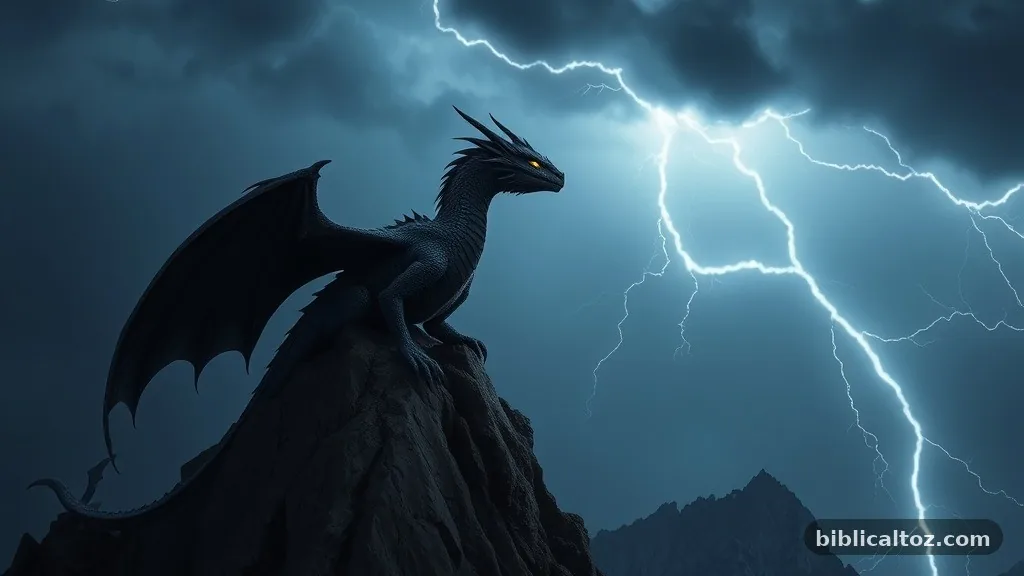
In this apocalyptic vision, the dragon represents the culmination of all resistance against the divine will. The imagery of the serpent is now fully aligned with Satan, serving as the primary antagonist in the cosmic struggle between good and evil. This final transformation completes the arc of the symbol, moving from a deceptive animal in a garden to a powerful, malevolent entity that defines the challenges faced by the faithful throughout the times.
Summary of Biblical Symbolism
The evolution of the serpent in scripture demonstrates how ancient writers used nature to illustrate theological concepts. Whether acting as a tempter, a sign of healing, or a symbol of cosmic rebellion, the serpent serves as a flexible literary device. By examining these instances, readers can better understand the nuanced way the text addresses the human struggle with temptation, the need for healing, and the ultimate victory over darkness.